


Tiny dark beetles walking across the pantry shelf. A small moth that flutters out when you open the oats. Webbing in the corner of the birdseed. Something is breeding in your dry food.
Stored product insects are the beetles and moths that live and breed inside dry food: flour, rice, pasta, cereal, maize meal, nuts, dried fruit, spices, chocolate, birdseed, pet food, grain and animal feed. They almost always arrive in the food itself, as eggs or larvae too small to see, and then spread to other packets on the same shelf. At home it's a pantry clean-out. In a mill, warehouse, shop or farm store, it can mean a lot of rejected stock.
The usual suspects
- Rice and maize weevils. Small dark brown beetles, about 3 mm, with a distinctive long snout. The larvae develop inside individual grains, so infested rice or maize may look normal until the adults chew their way out, leaving small round holes
- Flour beetles. Small, flat, reddish-brown beetles that live in flour, maize meal and other milled products. Heavily infested flour turns greyish and smells sour
- Sawtoothed grain beetles. Slim brown beetles with tiny teeth along the sides of the shield behind the head, common in cereals, dried fruit and nuts
- Cigarette and biscuit beetles. Small, round, humped brown beetles found in spices, dried herbs, biscuits, pet food and even dried flowers
- Pantry moths. Small moths with two-toned wings, grey at the front and coppery towards the back, fluttering in the kitchen at night. The larvae are pale caterpillars that leave silky webbing and clumps in food
Signs of an infestation
- Small beetles on shelves, walls or the kitchen ceiling
- Small moths flying in the kitchen, especially in the evening
- Silky webbing, clumps or caterpillars in packets of cereal, flour, nuts or birdseed
- Small round holes in grains
- Fine dust at the bottom of a packet
- A musty or sour smell from flour or meal
At home: how to deal with them
- Find every infested packet Check everything dry on the shelf, including unopened packets, pet food, birdseed and spices. Moth larvae and beetles can chew through thin plastic and cardboard.
- Throw out what's infested Bag it and take it out of the house.
- Clean the cupboard Vacuum shelves, corners, cracks and hinges, where larvae hide to pupate, then wipe with soapy water. Let it dry before you restock.
- Store in sealed containers Glass, metal or thick plastic with tight lids. If a new packet turns out to be infested, it stays contained.
- Freeze new purchases Putting flour, nuts or birdseed in the freezer for several days before storing kills any eggs or larvae already inside.
At home, a spray treatment usually isn't necessary. Getting rid of the food source is what works, and pantry moth pheromone traps from the shop can help you see whether any are left.
In businesses and on farms
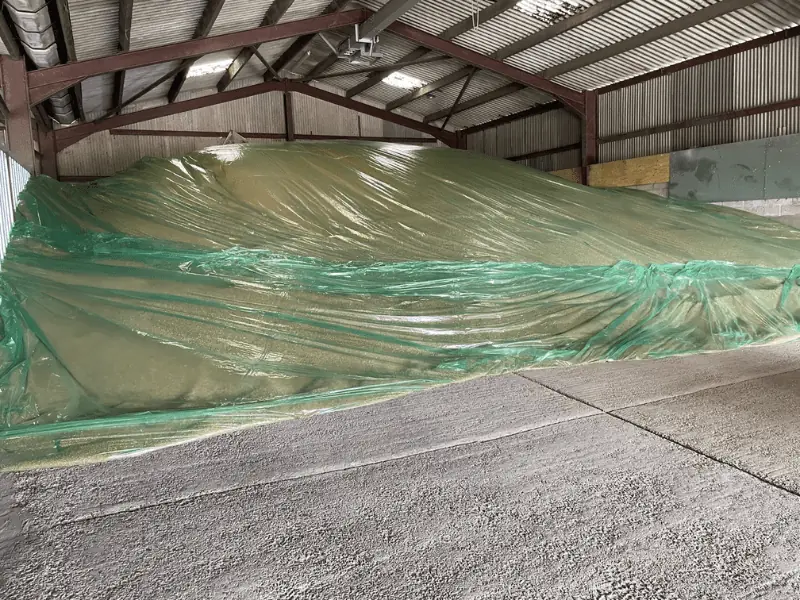
For bakeries, mills, wholesalers, shops, pet food stores and farms, stored product insects can affect large amounts of stock quickly, particularly in warm weather when they breed faster. Control there combines stock rotation, cleaning, monitoring and, when product is infested, fumigation with a registered fumigant such as phosphine under gas-tight sheets. Fumigation reaches insects inside grains and deep in stacks where sprays can't. The treated area must be closed off until it's cleared. Farms storing grain, seed and feed can read more on our farm pest control page, and food businesses on our commercial pest control page.
Birdseed, pet food and dried flowers
Some of the worst pantry infestations don't start in the pantry at all. A big bag of birdseed or dog pellets in the garage, a bowl of dried flowers or pot-pourri, a forgotten packet of chilli or paprika at the back of the spice rack: these keep a population going long after the kitchen has been cleaned. If the beetles or moths keep coming back, check everything dry in the house, not only the food cupboard. Our identification guide helps if you're not sure which insect you have.
Frequently asked questions
Where do weevils in the pantry come from?
Almost always from the food itself. Eggs and larvae are already inside the packet when you buy it, and they spread to other food on the shelf.
Can I eat food that had weevils in it?
They're not known to be harmful, but the food is contaminated and most people throw it out. Throw out anything with live insects or webbing.
How do I get rid of pantry moths?
Throw out infested food, vacuum and clean the cupboard thoroughly, especially cracks and hinges, and store dry food in sealed containers. Pheromone traps help monitor.
Do I need fumigation for weevils at home?
No. At home, getting rid of infested food and storing the rest in sealed containers is usually enough. Fumigation is for bulk stored products in warehouses and farm stores.
How do I stop weevils coming back?
Store dry food in sealed containers, freeze new flour, nuts or birdseed for several days before storing, and use older stock first.