


A grey lump behind your dog's ear after a walk on the beach path. Then another between its toes. Then a small tick climbing the wall of the scullery. Some ticks hitch a ride. One kind moves in.
Ticks are small, eight-legged, blood-feeding parasites related to spiders and mites. They wait on grass, bushes and fynbos for an animal or person to brush past, climb on, and feed for days before dropping off. Along the Garden Route, dogs pick them up on walks through long grass, coastal bush, fynbos and the edges of farmland. Most ticks then drop off outside. One species, the brown dog tick, is different: it can complete its entire life cycle indoors and in kennels, which is how a house ends up with ticks crawling up the walls.
What they look like
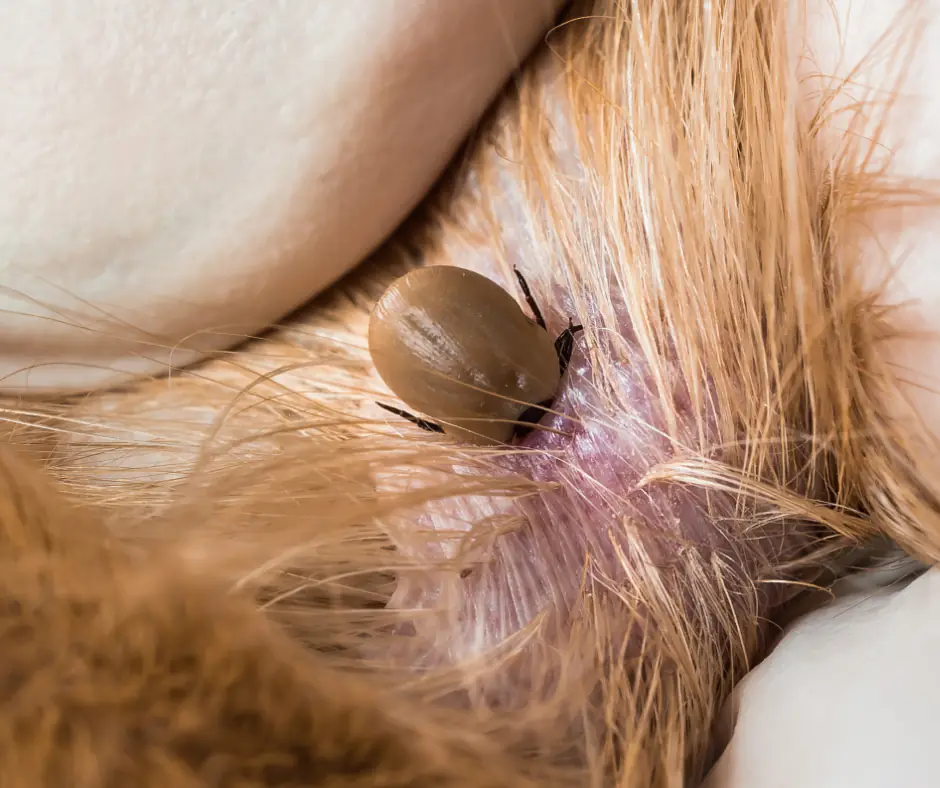
- Unfed. Flat, oval and small, from the size of a pinhead for the youngest stages to a few millimetres for adults. Brown, red-brown or patterned depending on the species
- Fed. Swollen, grey or blue-grey, and much bigger, up to the size of a small pea or larger
- Legs. Adults and nymphs have eight legs; the tiny larvae, sometimes called pepper ticks, have six
The brown dog tick
The brown dog tick is a plain reddish-brown tick that feeds mainly on dogs. Unlike most ticks, it's at home in warm, dry places like houses, kennels, outbuildings and cracks in walls. After feeding on the dog, it drops off and crawls into cracks, behind skirting boards, under kennel boards and into wall crevices to moult or lay eggs, and a single female can lay thousands of eggs. That's why a house can have a tick problem even when the dog never leaves the yard.
Ticks and disease
Ticks carry diseases. In dogs, the best known in South Africa is biliary (canine babesiosis), which can be fatal without prompt treatment, as well as other tick-borne infections. A dog that's lethargic, off its food, has pale gums or dark urine after picking up ticks needs a vet straight away. In people, the most common tick-borne illness in South Africa is tick bite fever, which causes fever, headache and a dark scab at the bite site. See a doctor if you feel ill after a tick bite.
How to remove a tick
- Use fine-pointed tweezers or a tick removal tool.
- Grip the tick as close to the skin as possible.
- Pull straight out with steady pressure. Don't twist or jerk.
- Don't squeeze the body, burn it, or smother it in oil or petroleum jelly first. That can make the tick release more fluid into the bite.
- Clean the area and keep an eye on it, and on the person or animal, for the next couple of weeks.
Preventing ticks
- Pets first. A tick prevention product from your vet, used consistently, is the first line of defence
- Check after walks. Ears, between the toes, under the collar, armpits and groin on dogs; waistband, behind the knees and hairline on people
- Garden. Keep grass short, clear dense undergrowth near the house, and keep the dog's sleeping area clean
- Kennels. Clean and check kennels and bedding regularly, especially cracks and the underside of boards
When the house and garden need treating
If you're finding ticks indoors, in kennels or repeatedly on a dog that's already on a prevention product, the environment needs treating: kennels, runs, cracks in walls, skirtings, outbuildings and the shady parts of the garden where the dog rests. That's done alongside your vet's treatment for the dog. Treating homes, kennels and gardens is covered under flea and tick control, and the flea profile covers the other pest that usually comes with it.
Ticks in the Garden Route
Coastal bush, fynbos paths, the edges of farmland and long grass on vacant plots all hold ticks, and dogs walked there in spring and summer pick them up most. Mild coastal winters mean the season is long. We treat homes, kennels and gardens for ticks across the region, with local pages for flea and tick control in George and Mossel Bay.
Frequently asked questions
Can ticks live in my house?
One kind can: the brown dog tick lives out its entire life indoors or in a kennel, tucked into cracks and behind skirting boards between meals.
How do I remove a tick from my dog?
Use fine tweezers or a tick tool, grip the tick close to the skin and pull straight out with steady pressure. Don't burn it, twist it or smother it in oil first.
What is biliary in dogs?
A tick-borne disease, canine babesiosis, that destroys red blood cells. Signs include lethargy, pale gums and dark urine, and the dog needs a vet urgently.
Can people get sick from tick bites?
Yes. Tick bite fever is the most common tick-borne illness in people in South Africa. See a doctor if you get fever, headache or a dark scab after a bite.
Why does my dog keep getting ticks?
Either it's picking them up on walks, or there's an established population of brown dog ticks in the kennel, house or garden that needs treating.