
Do you run a guesthouse, or live in a house with the forest at the back door? Either way, pest control in Wilderness works best when it's planned around the bush, the water and the timber, because that's where most of the pests come from. We inspect first, treat the actual source, and set up regular visits where a business needs them. Treatments are odourless and non-staining, and they carry a 3-month guarantee.
If you run a guesthouse or holiday rental
Wilderness has a lot of guesthouses, B&Bs and holiday rentals, and one cockroach on a breakfast table or a rat in the ceiling is a very bad review waiting to happen. Hospitality needs quiet, regular, preventive work rather than a rushed call-out.
- Kitchens get gel bait for cockroaches in the cracks and appliances where they breed, plus residual treatment along skirtings and drains.
- Guest rooms get treated for crawling insects in a way guests won't notice. No smell, no stains, nothing left lying around.
- Roofs and outbuildings get lockable bait stations, checked on a schedule, so rodents are picked up early.
- Bins, laundries and stores are checked for flies, rodents and stored product insects.
We can work around your bookings and cleaning schedule, and a service contract keeps visits regular. Speak to us about cockroach control in Wilderness if kitchens are the main concern.
If your home is in the trees
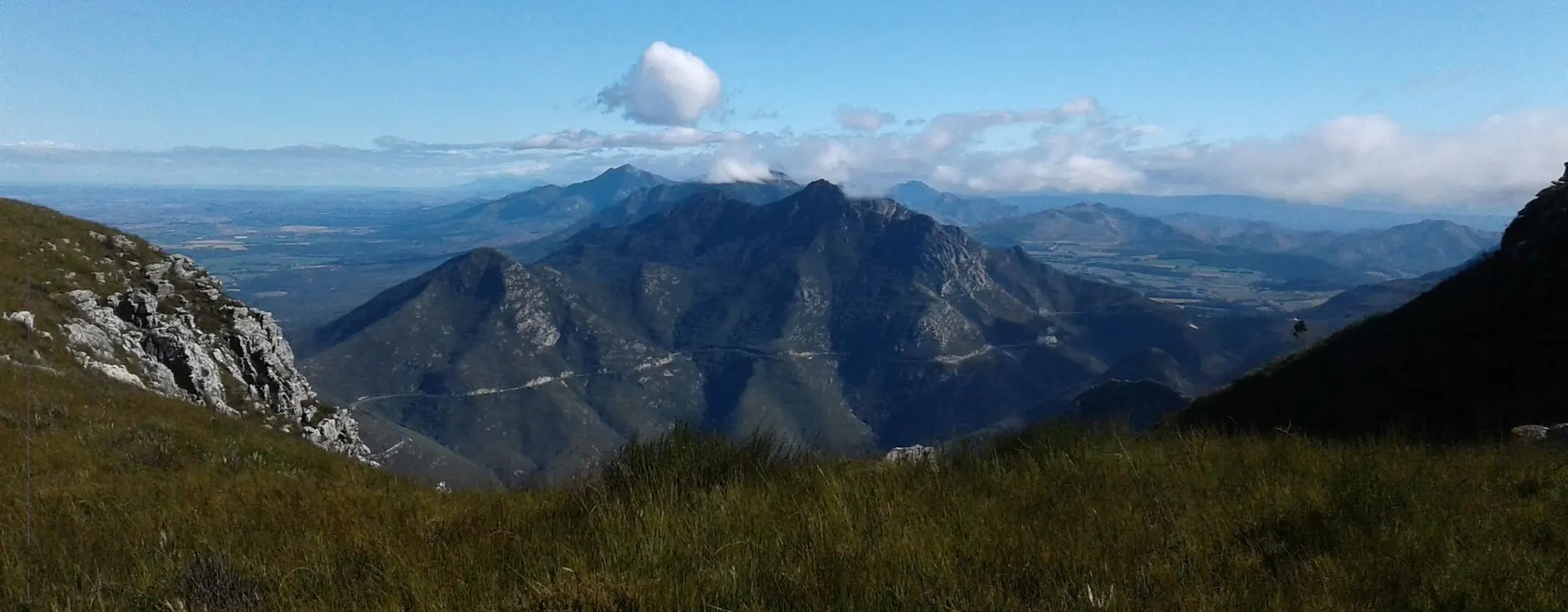
Wilderness is a small coastal village east of George, with the lakes, the lagoon and the Touws River running through it and forested hillsides behind. Plenty of homes are built right into the bush, often with timber decks and trees close to the roof. That's lovely to live in, and it creates a few predictable problems.
Roof rats
Roof rats are climbers. A branch touching the gutter or a creeper on the wall is a direct route into the roof space. Signs include scratching and running overhead at night, droppings in the ceiling, and chewed fruit or nuts in the garden. Our page on rodent control in Wilderness covers how we deal with them.
Spiders and crawling insects
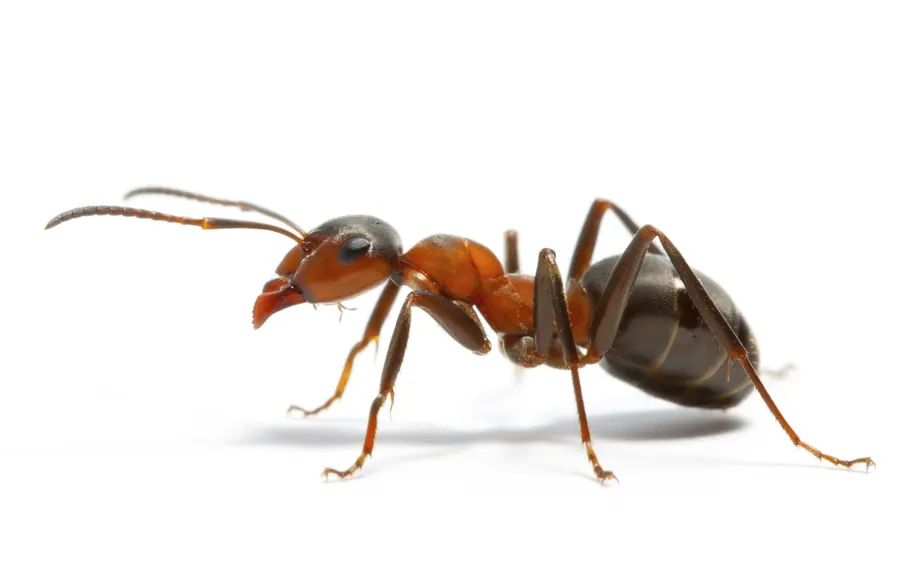
Houses surrounded by bush see a constant flow of spiders, ants, beetles and crickets, especially under decks, in garages and around lights. Treating inside alone doesn't last. An outside barrier around walls, doors and deck edges makes the real difference.
Damp timber
Timber decks and wooden structures near water and forest stay damp, and that attracts fishmoths and other insects. Furniture or timber with small round holes and fine powder may have wood borer, which is a job for fumigation rather than spraying. If that's the case, the treated area has to be sealed and vacated until we've cleared it, and we'll plan it with you.
How we work
Every visit starts with an inspection: roof space, eaves, kitchen, bathrooms, decks, garden and outbuildings. We're looking for how pests are getting in, where they're living and what's feeding them. Then we treat with whatever fits: baits for ants and cockroaches, odourless residual sprays inside and a protective barrier outside, and bait stations, traps or tracking powder for rodents. After a rodent problem, we can sanitise affected areas too.
For normal treatments, nobody needs to move out and cupboards stay as they are. Everything is safe for children and pets once dry.
The one change that helps most
Cut the trees back from the roof. It sounds simple, but a gap of a metre or more between branches and the gutter line takes away the roof rats' main highway. Keep creepers off walls near the eaves, and clear leaf litter and stored items from under decks, where rodents and spiders like to shelter. Seal fruit and pet food, and keep bins closed. These steps make any treatment last much longer.
A common mistake
Putting out poison in the roof and waiting. Without closing the gap the rats are using, more simply move in. And in a house with a timber ceiling, a dead rat you can't reach is unpleasant for weeks. Bait stations combined with proofing is the approach that works.
How much will it cost?
The price depends on the size of the property, what we're treating, how established the problem is and how much proofing is needed. A single home with ants is a modest job. A guesthouse with several rooms, a commercial kitchen and outbuildings is usually set up on a contract with regular visits. Rodents in a large house among trees may need extra stations and follow-ups. We quote free, and if a small issue can be solved by sealing a gap or trimming a branch, we'll say so.
For a wider look at how we work, see pest control in George, just over the hill. We're SAPCA registered, with more than 25 years in the Garden Route. Give us a call on 044 012 5011 and tell us about your property.
Questions we get asked
Can you treat a guesthouse while guests are staying?
Yes. Our sprays are odourless and non-staining, and we can work around occupied rooms and your cleaning schedule. Fumigation is different and needs the sealed area empty.
Why do I keep getting rats when I live in the forest?
Because trees and creepers give roof rats a way onto the roof. Trimming branches back from the gutters and sealing gaps is as important as the bait itself.
Do you offer service contracts for B&Bs?
Yes. We set up regular visits for guesthouses and other hospitality businesses, with bait stations and kitchens checked on a schedule.
Are the spiders in Wilderness dangerous?
Most spiders you'll see around homes and decks are more of a nuisance than a danger, but we treat for them anyway, because large numbers usually mean plenty of insects for them to eat.
Can you treat under my timber deck?
Yes. Decks are a common hiding place for spiders, insects and rodents, and we include them in the outside treatment.
What damage can roof rats do?
They chew electrical wiring, insulation and anything stored in the roof, and their droppings and urine contaminate ceilings and food areas. Wiring damage is a real fire risk.