

Sedgefield's mix of lakes, wetlands, dunes and thatched roofs means pests here have plenty of cover, so the job is always about finding where they're living before we treat. Rats in a thatch roof, ants coming up from a damp garden or cockroaches in a holiday kitchen all have a source, and once we've found it the treatment is straightforward. Every job comes with a 3-month guarantee.
Lakes, dunes and thatch
Sedgefield sits between Wilderness and Knysna, with Swartvlei, the lagoon and the coastal dunes on its doorstep. Many gardens run down towards wetlands or reed beds, and quite a few homes, old and new, have thatched roofs. It's a relaxed place with a lot of holiday homes that are only used part of the year.
Every one of those things matters to pests. Damp ground near water keeps insects active and gives rodents cover. Thatch is warm, dry and full of gaps. Holiday homes give everything long stretches of peace and quiet.
What Sedgefield homes call us about
- Rats and mice, especially in thatched roofs and in homes backing onto reeds, bush or open ground.
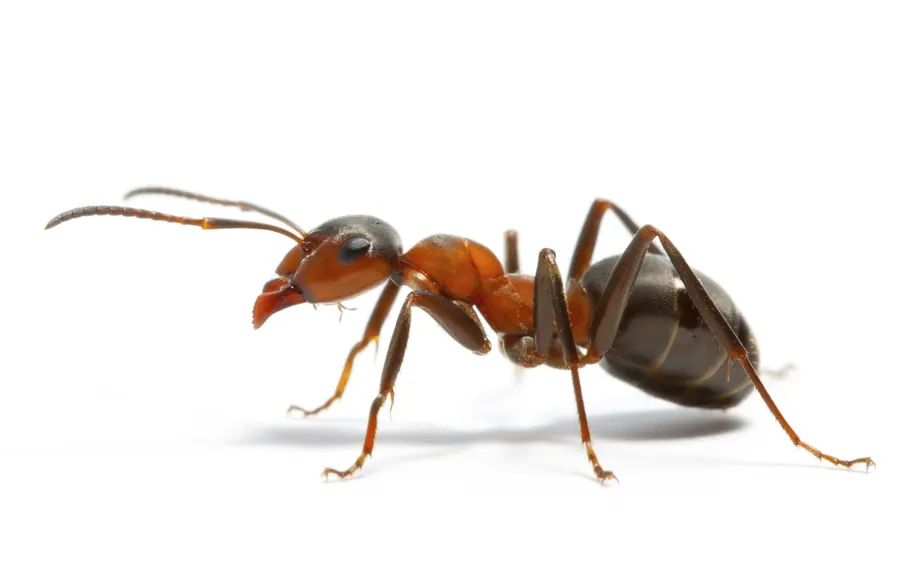
- Ants, which move indoors after rain and in the hottest weeks of summer.
- Cockroaches, in kitchens and drains, often worse in holiday homes that have stood empty.
- Spiders around eaves, decks and outside lights, following the insects drawn in from the water.
- Fishmoths and fleas, thanks to humid air and pets coming in from the garden.
Thatch deserves its own mention
A thatched roof is a lovely thing and a perfect rodent hotel. Rats and mice nest deep in the thatch where it's warm and dry, and they can travel along the roof without ever coming into the house, so you may only hear them at night. Signs include droppings on the top of ceiling boards or under the eaves, loose bits of thatch on the ground, and scratching overhead.
We deal with rodents in thatch using lockable bait stations and traps placed where they're travelling, not loose poison thrown into the roof. Loose poison in thatch is hard to control, and a rodent that dies deep in the roof can leave you with a smell you can't get at. We'll also show you the gaps where the thatch meets walls and gables that need closing, and trees or creepers that give rodents a way up. Have a look at rodent control in Sedgefield for more on this.
How we approach a job
We start with a full look at the property: roof space, eaves, kitchen, bathrooms, garden and outbuildings. We want to know what pest you have, where it's living, how it's getting in and what it's feeding on. Then we treat for that specific pest. Insects get odourless, non-staining residual sprays and a barrier inside and outside the house, with baits for ants and gel bait for cockroaches. Rodents get bait stations, traps or tracking powder, followed by a check-up visit and, where needed, sanitising of the affected areas.
For normal insect treatments you stay put and leave your cupboards as they are. Once everything's dry, it's safe for children and pets.
Keeping pests away when you live near water
Here's the local tip: gardens that slope towards a wetland or reed bed tend to collect compost heaps, wood piles and overgrown corners at the bottom, and that's precisely where rodents set up home before moving towards the house. Keep compost in a closed bin, stack firewood off the ground and away from walls, and keep a clear strip between the reeds or bush and your buildings. Cut back branches that touch the roof, especially on thatch.
Inside, keep food sealed, fix leaks and empty the bin daily during busy holiday weeks.
What people often get wrong
Treating a holiday home only once the family has arrived. By then, rodents have had months in a quiet roof and the cockroaches have settled in. A visit before the season, and bait stations checked between visits, works out simpler for everyone.
How much will it cost?
That depends on what we're treating, how big the property is and how long the problem has been there. An ant or cockroach treatment in an average house is a fairly quick job. Rodents in a large thatched roof need more stations, some proofing work and follow-up visits. Holiday home owners and guesthouses can go onto a regular schedule. We'll give you a free quote before we start. If you've only seen one mouse in the kitchen, a couple of snap traps may solve it, and we'll tell you so.
See our pages on insect control and cockroach control in Sedgefield, or read about pest control in George, where our office is based.
We're SAPCA registered and have worked in the Garden Route for more than 25 years. Call us on 044 012 5011 and tell us what's going on.
Questions we get asked
Can you treat rodents in a thatched roof?
Yes. We use lockable bait stations and traps placed along their routes, rather than loose poison in the thatch, and we show you where they're getting in.
Will treating for pests damage my thatch?
No. Bait stations and traps sit on or near the roof structure without disturbing the thatch itself, and our sprays are non-staining.
Why are there more pests near the lake?
Damp ground and thick vegetation give insects and rodents water, food and shelter close to the house. That's why the outside of the property matters as much as the inside.
How do I know if rats are in the thatch or the ceiling?
Droppings on top of ceiling boards point to the roof space. Bits of thatch on the ground, holes along the edge and noise near the eaves suggest they're living in the thatch itself.
Do you look after guesthouses in Sedgefield?
Yes. We do commercial work as well as homes, and can set up a regular service that fits around your bookings.
Is there a 24-hour call-out?
Yes. We offer 24-hour call-outs for urgent problems. Call 044 012 5011 and we'll arrange the next step with you.