

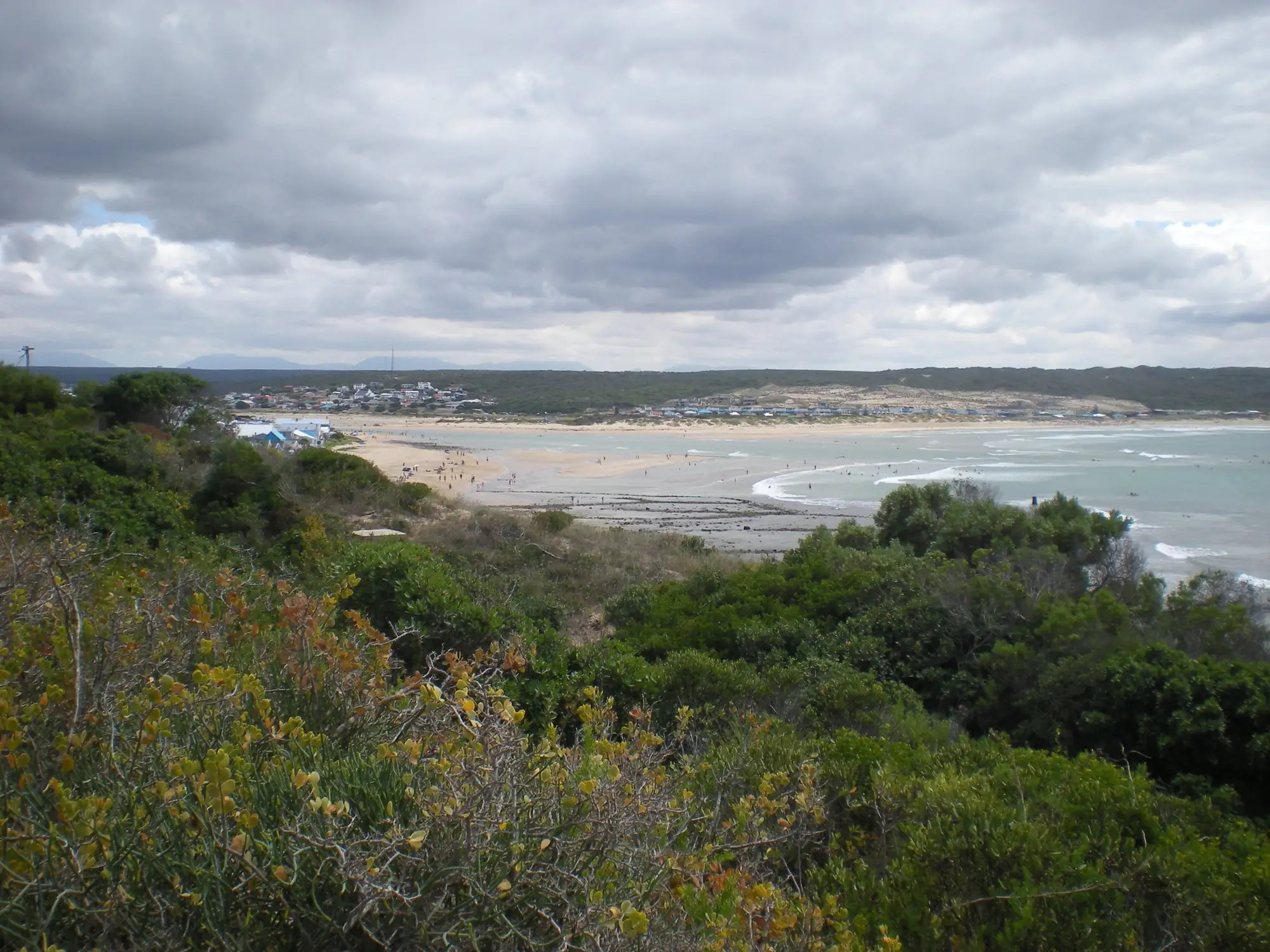
That thin whine in the dark, just as you're falling asleep. If you live near Swartvlei, the Wilderness lakes or the Knysna lagoon, you know it well. Most of those mosquitoes were born much closer to your bed than the lake.
The fastest way to cut mosquito numbers around a house is to find the water they breed in on your own property and get rid of it, then treat the shady places where adult mosquitoes rest during the day. Spraying the air on a summer evening kills what's flying at that moment and very little else. A blocked gutter, a forgotten bucket or a bromeliad full of rainwater can produce hundreds of mosquitoes a week, and those are the ones biting you on the stoep, because most common house mosquitoes don't travel far from where they hatched.
We do mosquito control for homes, guest houses, lodges, wedding venues and holiday houses across the Garden Route, especially around the lakes and lagoons where the problem is worst.
Is it really the lake?
People living near water tend to blame the lake, and the lake does play a part. Reed beds, marshy edges and the quiet backwaters of the Touw River, Swartvlei and the Knysna estuary all hold mosquito larvae in warm weather. But open water with fish in it isn't ideal breeding ground, because fish eat the larvae. Mosquitoes much prefer small, still, sheltered water that nothing else lives in.
When we walk a property, these are the places we check:
- Gutters and downpipes blocked with leaves, holding water for days after rain
- Pot plant saucers, especially under plants on covered patios
- Old tyres, buckets, wheelbarrows and boat covers that collect rain
- Bromeliads and other plants that hold water in their leaves
- Unused or poorly kept swimming pools, ponds without fish, and birdbaths that aren't changed
- Rainwater tanks with gaps around the lid or the inlet
- Blocked drains, uncovered septic tank openings and garden water features that have stopped running
On a big property, or one with a dam, the list gets longer. Fixing even half of it usually makes a difference you can feel within two to three weeks.
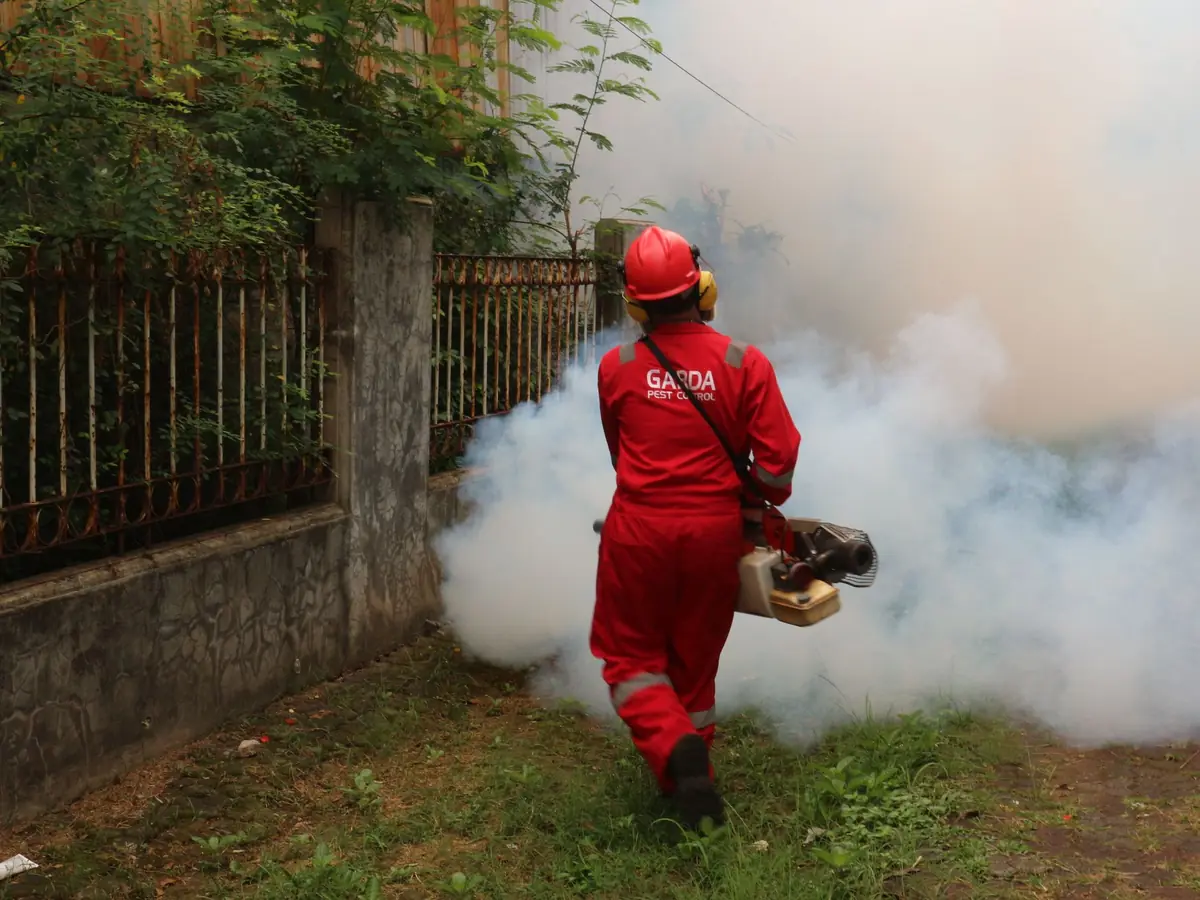
How we treat for mosquitoes
- Survey We walk the property looking for standing water, large and small, and the shaded vegetation, eaves and outbuildings where adult mosquitoes shelter during the day.
- Breeding water Water that can be emptied, covered or drained, we deal with on the spot or show you. Water that can't be removed, like a decorative pond or a tank, we advise on screening, covering or treating.
- Resting areas A residual treatment goes onto the places adult mosquitoes rest: dense shrubs, hedges, the undersides of decks, shady walls, eaves and the walls of covered patios and outside rooms.
- Advice for the season Mosquito pressure rises in the warm, wet months, so we'll tell you what to check each week and when a follow-up treatment makes sense.
For an outdoor function, a wedding or a busy holiday weekend at a lodge, we can time a treatment for a few days before the event.
What helps at home, and what doesn't
What works. Tip out standing water every seven days or so: in summer that's roughly how long an egg needs to turn into something that bites. Clean the gutters before summer. Keep pool chemistry right or cover the pool. Put fish in ornamental ponds. Fit mosquito screens on bedroom windows, especially in houses close to the water. A fan in the bedroom also helps more than people expect: mosquitoes are weak fliers.
What doesn't do much. Ultrasonic plug-in devices, bug zappers on the patio (they kill moths and beetles far more than mosquitoes) and citronella candles on a breezy evening. Bug zappers can even make things worse by killing the insects that eat mosquitoes.
Mosquitoes and health on the Garden Route
The Garden Route isn't a malaria area. In South Africa, malaria risk is limited to parts of the far north-east, so the mosquitoes here are a nuisance and a cause of itchy bites rather than a disease worry. Back from a malaria area with a fever? Get to a doctor and mention the trip. Some people, especially young children, react badly to the bites, with large red swellings. That's usually an allergic reaction to the mosquito's saliva and is a reason to reduce exposure rather than a cause for alarm.
Lakes, lagoons and holiday houses
Around Sedgefield and the Swartvlei estuary, and around the Wilderness lakes, houses with reedy edges and large indigenous gardens see the most mosquitoes. Holiday homes are a special case. A house that stands empty from April to December often has a blocked gutter, a green pool and pots full of rainwater by the time the family arrives, and the first night is a bad one. Getting the house checked a week or two ahead, through our holiday home pest control service, saves that first night.
If midges and other small flying insects are part of the problem too, our broader insect control service covers them, and our mosquito profile explains the life cycle in more detail. Flies are a different story, with different breeding sites; see fly control if those are what's bothering you.
What it costs
Mosquito work is priced on how big the property is, how much standing water and thick growth it has, whether outbuildings and lapas are included, and whether it's a once-off treatment or a series through the warm months. A town garden is a short visit. A lodge with chalets, a dam and a lawn running down to the lagoon is a bigger job.
Ring 044 012 5011 or use the contact form, and mention any wedding or function date.
Frequently asked questions
Why are there so many mosquitoes near the lakes in summer?
Warm weather speeds up their life cycle, and lake edges, reed beds and small pools around homes give them places to breed. Plenty of the ones biting you will have hatched close to the house.
Can you get rid of mosquitoes completely?
No one can, especially near open water. A treatment of resting areas combined with removing breeding water cuts numbers sharply and makes evenings outside bearable again.
Is there malaria on the Garden Route?
No. Malaria risk in South Africa is limited to parts of the far north-east. Mosquitoes on the Garden Route are a nuisance, not a malaria risk.
Do bug zappers work on mosquitoes?
Not well. They mostly kill moths and beetles, and they can kill the insects that eat mosquitoes. Removing breeding water and using screens does far more.
Where should I look for breeding water?
Pot plant saucers, buckets, blocked gutters, old tyres, birdbaths, a pool cover holding rainwater, and anything else that holds water for a week or more.
Can you treat before an outdoor wedding or event?
Yes. A treatment a few days before the event, combined with clearing any standing water nearby, makes a noticeable difference for an evening outdoors.