


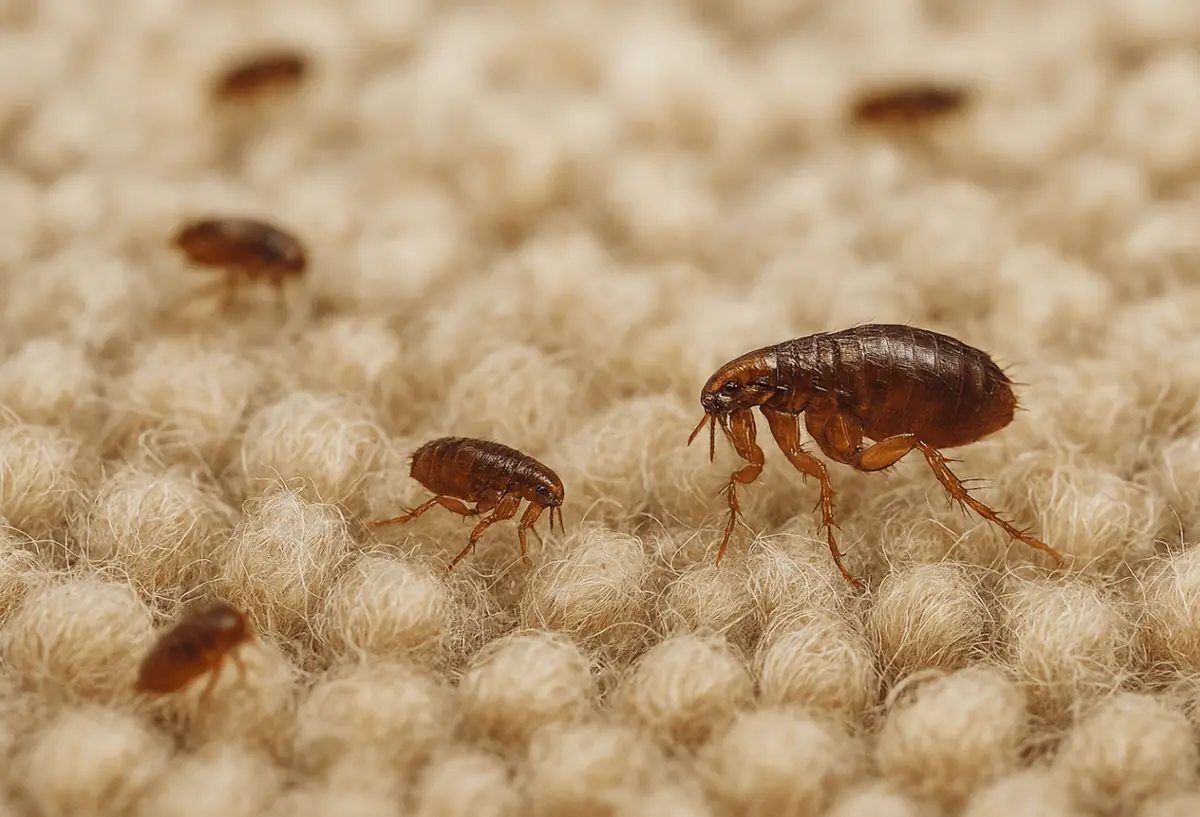
The dogs come in from the garden scratching, the kids have bites around their ankles, and the vet's drops don't seem to be working. In George's green, damp gardens, fleas and ticks have it easy.
Fleas and ticks in a George home have to be tackled in three places in the same week: on the pets, in the house and in the garden. Your dogs and cats need a product your vet recommends. Indoors, the carpets, rugs, pet beds, furniture and cracks need a treatment containing an insect growth regulator, which stops larvae from ever becoming biting adults. Outside, the shady spots where the pets lie, plus kennels and runs, need treating too, because that's where the bulk of the fleas and ticks actually live. Do only one or two of the three and the missing one re-infests the rest.
We treat homes, gardens, kennels, catteries and smallholdings for fleas and ticks across George.
Why George gardens suit fleas and ticks
George's rain keeps gardens green and the soil damp, and that suits flea larvae, which dry out and die in hot, dry soil. Shady lawns, dense shrubs, the space under a deck and the corner where the dog sleeps all hold flea larvae and pupae for months. Ticks wait on long grass, shrubs and the edges of paths for an animal to brush past, and dogs walked on the mountain paths, along greenbelts and on the edges of farmland pick them up easily.
The life cycle, briefly
Adult fleas live on the animal, but their eggs drop off wherever it goes. The larvae hide in carpets, bedding and shady soil and then spin cocoons that shield them from most treatments. There they sit until the vibration and warmth of a passing person or pet wakes them. That's why fleas seem to bounce back after a treatment: pupae keep hatching for about two weeks. The fleas profile tells the whole story.
Of the ticks on George dogs, it's the brown dog tick that settles into houses. It drops off the dog and crawls into cracks in walls, behind skirtings and under kennel boards to lay its eggs, so a dog that never leaves the property can still have a tick problem if the kennel is infested. Our ticks profile covers the health risks, including biliary.
How we treat
- The pets first Which flea and tick product they're on, when it was last applied, and where they sleep and lie.
- Inside Carpets and rugs, under the furniture, pet beds, the gaps along skirtings, and the couches and chairs the pets use.
- Outside Shady lawn, beds near the house, under decks, along the walls, kennels, runs and dog houses.
- The next two weeks What to expect as pupae hatch, what to do, and whether you'll need a second round.
Once the treated floors have dried, children and pets can go back on them; until then, keep the animals out, and let us know about any birds, fish or reptiles in the house.
Your part
- Vacuum carpets and furniture well just before we arrive, then every day or two for about a fortnight. The vibration brings pupae out to meet the treatment
- Put the pet bedding through a hot wash
- Keep every dog and cat in the house on the vet's flea and tick product
- Look your dogs over for ticks after walks, especially the ears, toes and collar line
- Mow the lawn short and clear debris out of shady corners
Rentals and new homes
Moving into a rented house in George and getting bitten in the first week is a classic: the previous tenant's pets left a carpet full of flea pupae. A treatment before you move your furniture in is the easiest fix. Landlords can book one between tenants.
Kennels, breeders and catteries
Where many animals live together, fleas and ticks spread fast. Regular treatment of the kennel structures, runs and bedding areas, coordinated with the animals' own treatment, keeps on top of it. We can set up a schedule.
Is it fleas?
If you're being bitten and have no pets, it may still be fleas from a previous pet or from rodents in the roof. It could also be bed bugs, especially if the bites are in rows on your arms and shoulders. Tell us where and when the bites happen, and we'll help narrow it down.
Dogs on George's trails
George is a great place to walk a dog: mountain paths, forest roads, greenbelts and the farm roads on the edge of town. All of them have long grass and bush where ticks wait. Check your dog after every walk, especially the ears, between the toes, around the eyes and under the collar, and remove ticks with fine tweezers pulled straight out. A dog that's lethargic, off its food or has pale gums after a tick bite needs a vet the same day.
What it costs
The price is worked out from the house, how much carpet and upholstery it has, the part of the garden the dogs and cats use, and any kennels or outbuildings that need doing. Some homes need a single treatment; a heavy infestation needs a second.
The main flea and tick control page covers the whole region, and our guide to flea season with pets is good on prevention. For other pests, see pest control in George. Phone 044 012 5011 or make a booking online.
Flea or tick?
One flea and two ticks you'll meet in the Garden Route. Match what you're seeing to the right one.
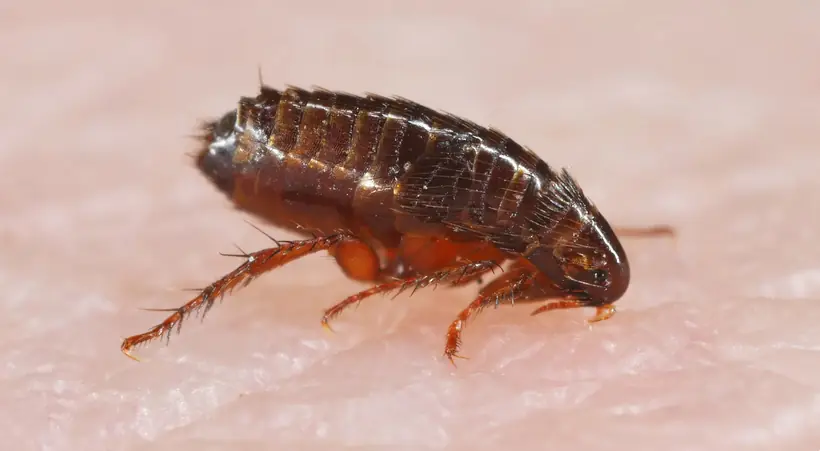 On your pets
Flea
Ctenocephalides felis, the cat flea
- Size
- 1 to 3 mm
- Colour
- Dark reddish brown
- Lives
- Pets, carpets, pet beds
- Gives it away
- Bites around the ankles
What you'll notice
Itchy bites in clusters around the ankles, a pet that won't stop scratching, and black flea dirt in its bedding.
Risk level
- Bites people
- Carries disease
- Hard to get rid of
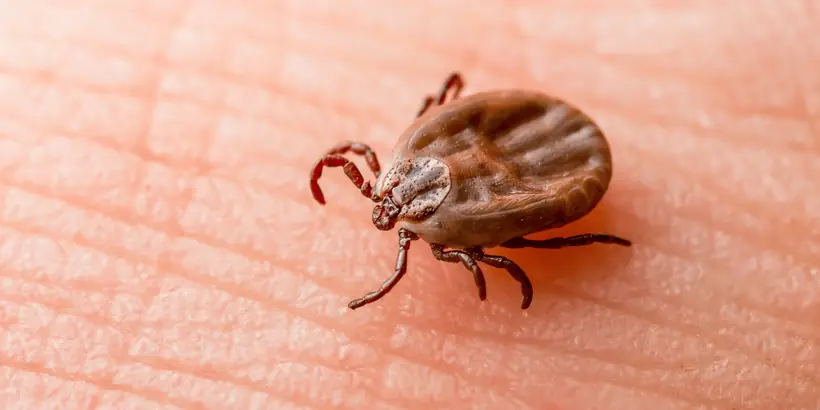 In the kennel
Brown dog tick
Rhipicephalus sanguineus
- Size
- A few mm, pea-sized when fed
- Colour
- Plain reddish brown
- Lives
- Dogs, kennels, cracks in walls
- Indoors
- Can breed inside the house
What you'll notice
Ticks on the dog's ears and between its toes, and small brown ticks crawling up walls and skirtings.
Risk level
- Bites people
- Carries disease
- Hard to get rid of
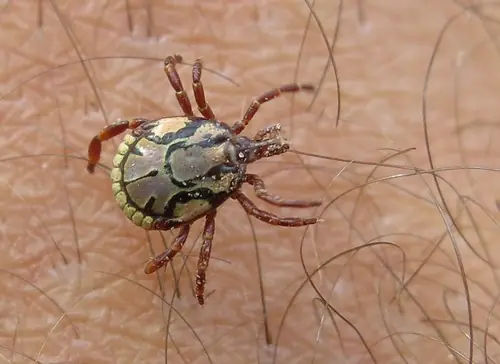 In the veld
Bont tick
Amblyomma hebraeum
- Size
- Larger than most ticks
- Colour
- Green-gold and dark brown pattern
- Lives
- Long grass, bush, farmland
- Feeds on
- Livestock, game, dogs, people
What you'll notice
A big, colourful patterned tick, usually on livestock, or on dogs and people after a walk through the veld or a farm.
Risk level
- Bites people
- Carries disease
- Hard to get rid of
Frequently asked questions
Why does my dog still have fleas after its treatment?
Because the fleas you see are only part of it. The eggs, larvae and pupae are in your carpets and the shady parts of the garden, and those have to be treated in the same week as the dog.
How long after a flea treatment will I still see fleas?
For up to two weeks, as pupae hatch and meet the treatment. Vacuum every day or two to speed it up. If they persist after that, call us.
There are ticks on the walls inside. Is that normal?
It points to the brown dog tick, which breeds indoors in cracks, behind skirtings and in kennels. The house and kennel need treating, not only the dog.
Is it safe for the cat and the children?
Once the treatment is dry, yes. Keep them off treated areas until then, and tell us beforehand about birds, fish or reptiles kept indoors.
Should I treat a rental before moving in?
It's a good idea, especially if the previous tenants had pets. It's easiest before your furniture goes in.
Do you treat kennels and catteries?
Yes. We treat kennel structures, runs and bedding areas, coordinated with the animals' own treatment, and can set up a regular schedule.