


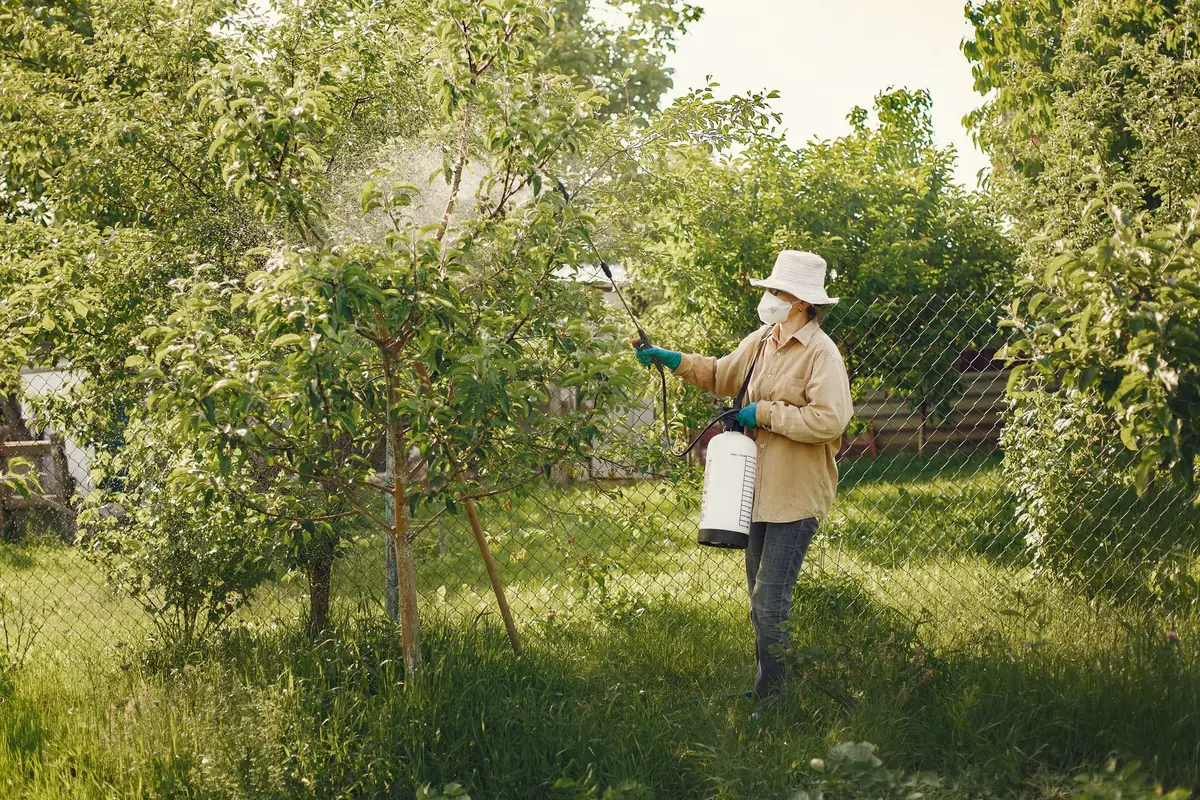
When your garden runs into the national park and the lakes are a short walk away, the goal isn't to wipe out insects. It's to keep the outdoors outdoors, and to deal firmly with the few that do move in.
In Wilderness, good insect control is gentle and precise. A barrier treatment along the edge of the house, screens on the windows and smarter lighting keep most garden insects outside. Indoors, we treat only where something is actually breeding, using an odourless residual spray in cracks and voids, or bait where it suits the insect. We don't fog gardens or spray along the water's edge, because the lakes, the birds and the insects that keep everything in balance are the reason people live here. This page covers the outdoor insects that find their way in, the mosquitoes that breed closer than you might think, and the ones worth leaving alone.
Earwigs and slaters under the door
Damp mulch, leaf litter and pot plants clustered on the stoep give earwigs and slaters (woodlice, which aren't actually insects) a perfect daytime hiding place. At night they wander, and a gap under the door or a slightly open sliding door is all they need. You'll find them in the bathroom, in damp towels or curled up behind the kitchen bin in the morning.
- Rake mulch and leaves back from the walls, leaving a dry strip along the foundations
- Stand pot plants on feet or a rack so the ground underneath can dry out
- Fit door sweeps and check that sliding doors close fully
- Hang towels to dry rather than leaving them in a heap on the floor
A band of residual spray at the base of the outside walls and across the door sills catches the ones that still make it up to the house.
Mosquitoes from the garden, not the lake
It's natural to blame the lake, but the mosquitoes biting on your stoep may be breeding much closer. Any water that stands for a week will do: a blocked gutter, the saucer under a pot plant, a bucket, the hollow in a canoe cover, a bird bath that isn't refreshed, and the cups at the centre of bromeliads, which hold water for weeks. Walk around the house once a week in summer and tip out what you can. Rinse bromeliad cups with the hose. Clear the gutters before the rains. Where mosquitoes rest in dense shrubs and under decks, a residual treatment of those resting spots helps. Our mosquito control page has the detail.
Screens, nets and the bedroom
Fly screens on bedroom windows let you sleep with them open. A ceiling fan over the bed keeps mosquitoes from settling, because they're weak flyers. If the bedroom is close to the water or the garden, a net over the bed is an old-fashioned answer that still works. Switch on bedroom lights only after the curtains are drawn.
After a wet spell
A few days of steady rain soaks the leaf litter and pushes earwigs, slaters and millipedes out of it all at once. For a week or so you may sweep up dozens a morning, then the numbers fall away as the ground dries. That surge on its own isn't a sign the treatment has failed. If it carries on long after the rain stops, something nearby is staying wet, perhaps a leaking tap or a gutter spilling against the wall. Our page on millipedes after rain explains the pattern.
Guest cottages and garden rooms
A cottage or B&B room set in the garden gets more visitors than the main house, because guests leave doors open to enjoy the view. A short note asking them to close the screens before switching on the lights at night helps. Housekeeping can shake out bath mats and towels, check under the beds, and keep the outside light by the door switched off when nobody's using it.
Insects we'd rather you left alone
Some garden insects are on your side, and a broad spray kills them along with everything else. Dragonflies eat mosquitoes. Praying mantises and ground beetles eat other insects. Ladybirds eat aphids. Bees pollinate the garden, and if they've moved into a wall cavity, the answer is a beekeeper or removal, not poison. Most spiders around the house are harmless and eat a lot of flies; see spider control if one has become a problem.
Ants, termites and timber
Ant trails in the kitchen are covered under ant control in Wilderness. If winged insects pour out of the ground after a storm, or you spot earthen tubes climbing a wall, read termite control in Wilderness. Holes and fine dust in old timber point to wood borer instead.
On the day
We walk around the outside of the house first, looking at mulch, pot plants, gutters, water and gaps under doors, then check the rooms where insects are turning up. Indoors, treatment goes only where it's needed. Outdoors, the barrier stays on the house edge and the walls, not the beds and lawn. You can stay home throughout; keep children and pets off sprayed areas until they've dried.
Around Wilderness
Neighbouring areas have their own pages: insect control in Sedgefield and insect control in George. We also cover Hoekwil and Victoria Bay, and the full Wilderness picture is on pest control in Wilderness.
Cost
A barrier treatment and advice for earwigs and slaters is a short visit. Mosquito resting-area treatments, or several insects at once, take longer. The quote comes after we've had a look.
Phone 044 012 5011 and tell us what's getting in and where, or book a visit.
Frequently asked questions
Why do earwigs keep getting into the house?
They hide in damp mulch and pot plants by day and wander at night. A dry strip along the walls, door sweeps and a barrier treatment keep them out.
We live near the lake. Will treating the garden stop the mosquitoes?
Not on its own. Many breed in water around the house, like gutters and pot saucers. Empty those weekly and treat resting spots in shrubs and under decks.
Can bromeliads breed mosquitoes?
Yes. The water in their central cups can hold larvae. Flush the cups with a hose once a week in summer.
Do you spray close to the water?
No. We keep treatments on the house edge and the places insects rest or shelter, not along the lake, the lagoon or garden ponds.
Are slaters harmful?
No. They eat decaying plant matter and don't bite or damage the house. They come in when it's damp outside and dry out quickly indoors.
Which garden insects should we leave alone?
Dragonflies, praying mantises, ladybirds, ground beetles and bees all help the garden or eat other insects. A broad spray kills them too.