
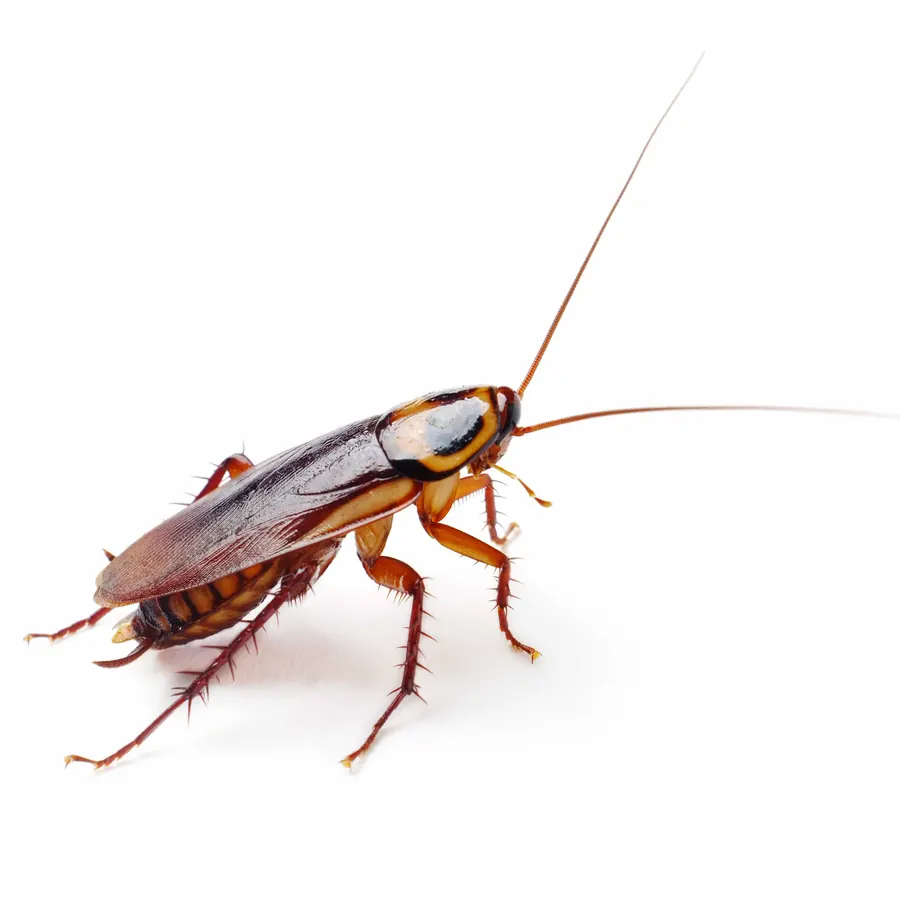
Clearing cockroaches from a Wilderness home or guesthouse usually takes one visit for the large outdoor species and two for an established indoor problem. On the first visit we confirm which cockroach you have and where it's living, put gel bait into the cracks and voids it uses, and lay an odourless barrier around the outside. On the second, we check what's been eaten, top up where it's needed and deal with the cockroaches that hatched after the first round.
Step by step
- A quick chat first. When you call, we ask where you're seeing them, what size they are and how often. That often tells us what we're dealing with before we arrive.
- Inspection. We go through the kitchen, scullery, laundry and bathrooms, look behind and under appliances, and check outside: drains, the base of the walls and under timber decks.
- Gel bait indoors. Small dots go into hinges, motor spaces, gaps behind units and under sinks. Cockroaches feed on it and spread it among the rest of the group.
- Barrier outside. An odourless, non-staining residual spray around doors, windows, drains and deck edges stops outdoor cockroaches from coming in.
- Follow-up. For indoor infestations, we come back to catch the next hatching and make sure the bait is still being taken.
- Guarantee. If the cockroaches we treated for come back within three months, so do we.
There's no need to empty the cupboards or move out, and the house is safe for children and pets once the spray has dried.
Why the village suits cockroaches
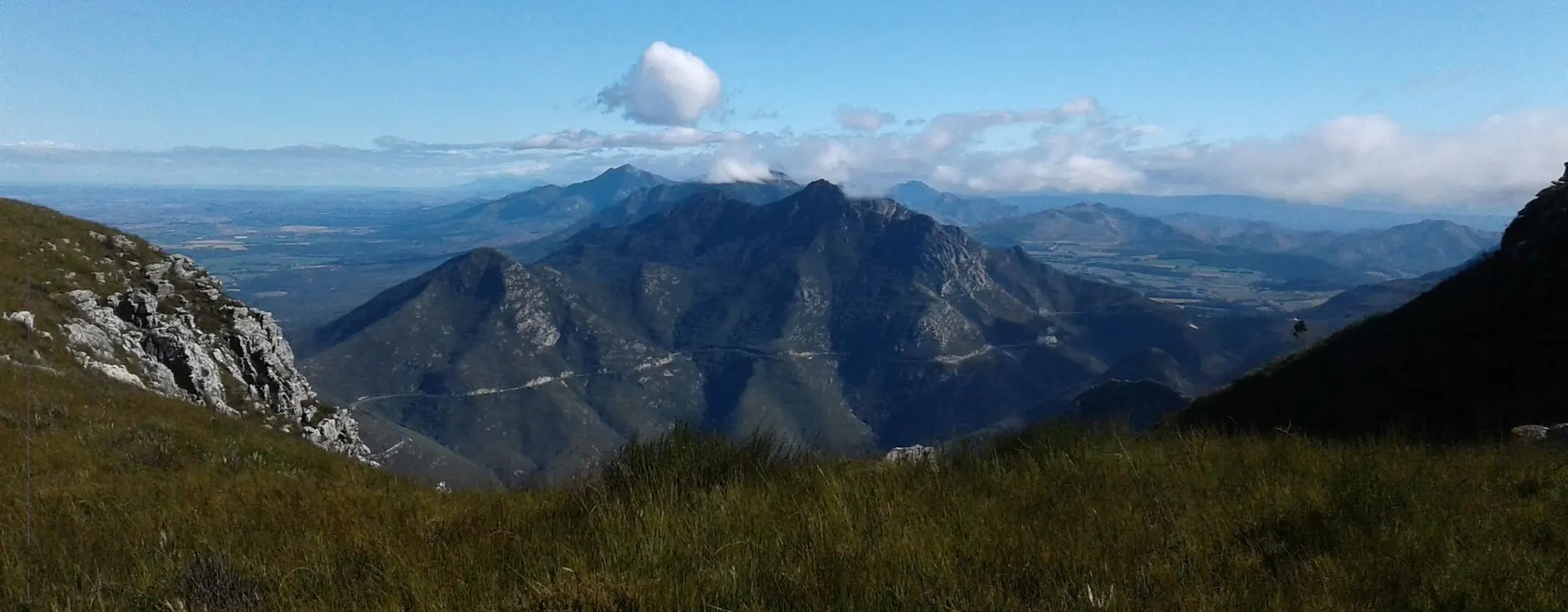
Wilderness is built around water and bush: the lakes, the lagoon, the Touws River and hillsides covered in forest. That means humid air, shade and a lot of damp leaf litter, which is exactly what the big outdoor cockroaches like. Many homes sit in the bush with timber decks over cool, shaded ground, and the space under a deck is one of the most reliable cockroach shelters we find. From there it's a short walk to a kitchen door or a floor drain.
Indoor German cockroaches are a different story. They come in with deliveries, luggage and second-hand appliances, and the steady flow of visitors through guesthouses and holiday homes gives them more chances.
Guesthouses and B&Bs
A breakfast kitchen, a laundry running all day and guests coming and going is a combination cockroaches take advantage of quickly. We work with guesthouses on a regular service, timed around your busy hours. Because ordinary treatments don't need rooms to be emptied and the products are odourless, guests generally won't know we've been. We focus on the kitchen, scullery, laundry and bin area, where problems start, and check the outside of the buildings for the outdoor species.
Signs worth taking seriously
- Small cockroaches seen in the day, or several sizes together
- Pepper-like droppings in drawers and on hinges
- Egg cases stuck behind appliances or under shelves
- A musty smell in a cupboard that's kept closed
Where people go wrong
They stop after one round. The first treatment kills the cockroaches that eat the bait, but egg cases are well protected and keep hatching for a while afterwards. If nobody comes back to deal with the new ones, the population recovers, and it looks as if the treatment didn't work. Booking the follow-up is what finishes the job.
Under the deck: a Wilderness tip
If your house has a timber deck, take a look underneath. Leaf litter, stored garden chairs, old timber and firewood under there make a perfect damp, dark shelter. Clear it out, rake the leaves away from the house each season and keep the ground under the deck as open and dry as you can. Stack firewood away from the walls, trim plants back off the house and fit brush seals to doors that open onto the deck.
How much will it cost?
The variables are the size of the property, which species you have, how established it is, whether a follow-up is needed and whether it's a home or a business. A barrier treatment for outdoor cockroaches around a house is a fairly quick job. A German cockroach infestation in a guesthouse kitchen takes more time and a return visit, and commercial clients usually go onto a contract. If you've only seen the odd big one after rain, clearing under the deck and sealing the doors may be all you need.
For ants, spiders and other insects, see insect control in Wilderness or our general pest control in Wilderness page. Our George cockroach control page has more on how we work across the Garden Route.
We're SAPCA registered and have worked in the Garden Route for more than 25 years. Call 044 012 5011 to arrange an inspection.
Questions we get asked
Do cockroaches bite?
Practically never. The issue is hygiene: they move from drains and leaf litter onto kitchen surfaces and can carry bacteria with them.
Can you treat a guesthouse without closing it?
Yes. Ordinary cockroach treatments don't need guests to leave, and we can work around your busy times. Only gas fumigation needs a space vacated, and cockroaches don't require it.
Is the gel bait safe around children?
Yes, it's used in tiny amounts and placed inside cracks, hinges and voids that children can't reach.
Do cockroaches damage timber decks?
No, they don't eat wood. They shelter under and between decking because it's damp and dark there, and come out at night to look for food.
How soon will I see a difference?
You'll often notice slow or dead cockroaches in the days after the gel goes down, followed by a steady drop in numbers. The follow-up visit deals with any that hatch afterwards.