
A guest mentions, politely, that they heard something in the ceiling last night. Then you find droppings under the deck and a chewed corner on the bin. In Wilderness, that's usually rats coming in from the bush, and the fix is to find where they're living, remove them safely and close the gaps they use to get inside. That's what we do, for private homes and for guesthouses that can't afford a second complaint.
The Wilderness setting
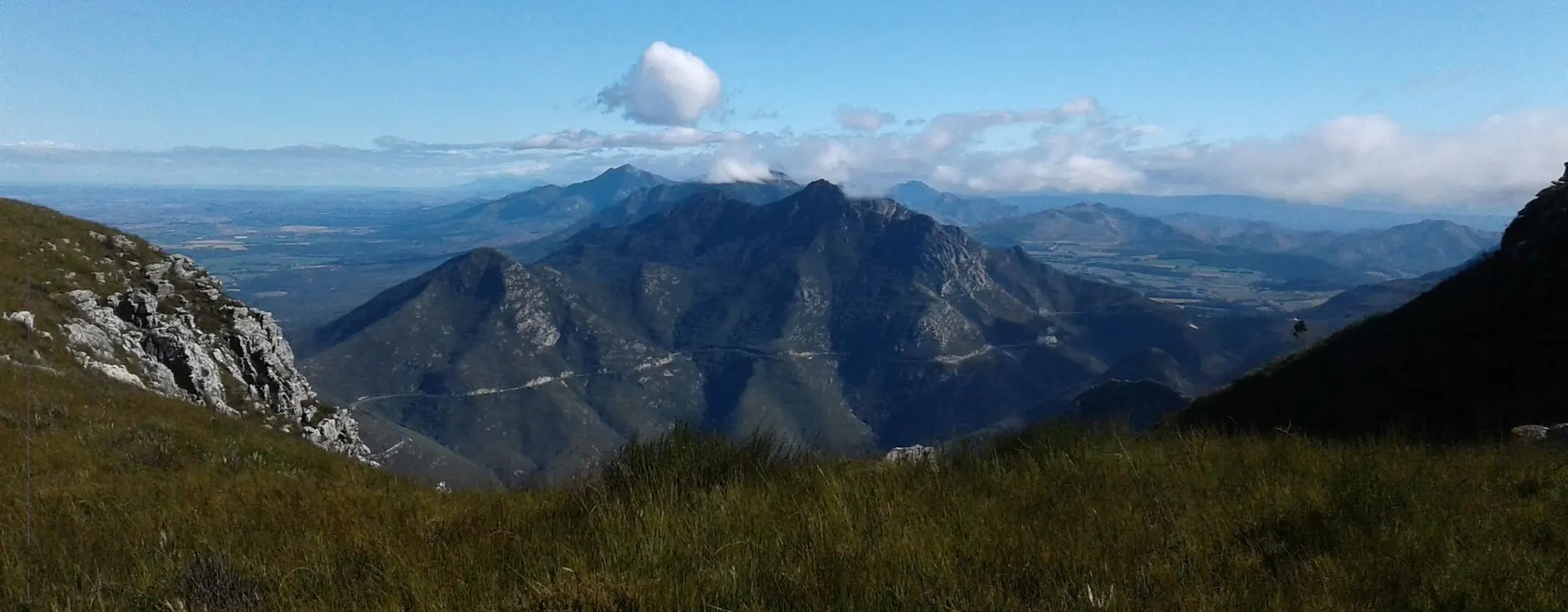
Wilderness is a small village between the sea and forested hills, with the lakes, the lagoon and the Touws River all close by. Many homes are tucked into the bush, built on slopes with timber decks hanging out over the garden. It's beautiful, and it's ideal rodent country.
Roof rats climb. Trees and creepers growing against a house give them a route straight onto the roof and into the eaves. Brown rats stay lower down, near water and in burrows, and they love the dark, dry space under a deck. A low deck with a gap underneath full of dead leaves is often the first place we look. Gardens that run down to a lake or the river give brown rats easy water and cover as well, so those properties tend to see more activity.
What we look for
- Droppings under decks, in the roof space, along skirtings and behind appliances
- Burrows along the edges of paving, retaining walls or under the deck
- Gnaw marks on timber, bins, plastic pipes and cables
- Dark grease marks along beams and around a hole they use often
- Noise at night, especially in ceilings directly under overhanging trees
Our approach, in order
- Inspection, inside and out. We check the roof void, eaves, kitchen, storerooms and the ground around and beneath decks, mapping where the rodents are active and how they're getting in.
- Control. Lockable, tamper-resistant bait stations go along their runs, out of reach of pets, children and guests. Traps are used where bait isn't suitable, for example in a guest room or kitchen. Tracking powder can go into roof and wall voids.
- Proofing. We point out every route in and how to close it: trimming branches back from the roof, fitting mesh over vents, sealing gaps around pipes and cables, and closing off the space under a low deck.
- Follow-up. We come back to check the stations and see whether activity is falling, adjusting as we go.
- Sanitising. Once the rodents are gone, we can sanitise contaminated areas. In a guesthouse kitchen or linen room, that isn't optional.
For guesthouses and holiday rentals
Hospitality is a big part of life in Wilderness, and rodents are bad for reviews. A regular service, with bait stations checked on a schedule and the property inspected before the busy season, catches activity before guests do. We work around bookings and can arrange visits for the quieter parts of the day. If a guest does report something, call us straight away rather than waiting to see if it happens again. One sighting usually means more activity out of sight, and the sooner the stations go down, the sooner it stops.
The local tip
Deal with the deck. If yours is close to the ground, clear out the leaves and anything stored underneath, and think about closing the gap around the edge with sturdy mesh. Don't stack firewood or keep a compost heap against the house or under the deck. Rats with nowhere to shelter near the walls are far less likely to find their way in.
A mistake we see often
Relying on plug-in ultrasonic repellers. Rodents soon get used to them, and they do nothing to close an entry point. In the same way, cutting back one branch while the creeper on the other wall still reaches the gutter won't stop roof rats. Proofing has to be thorough to work.
How much will it cost?
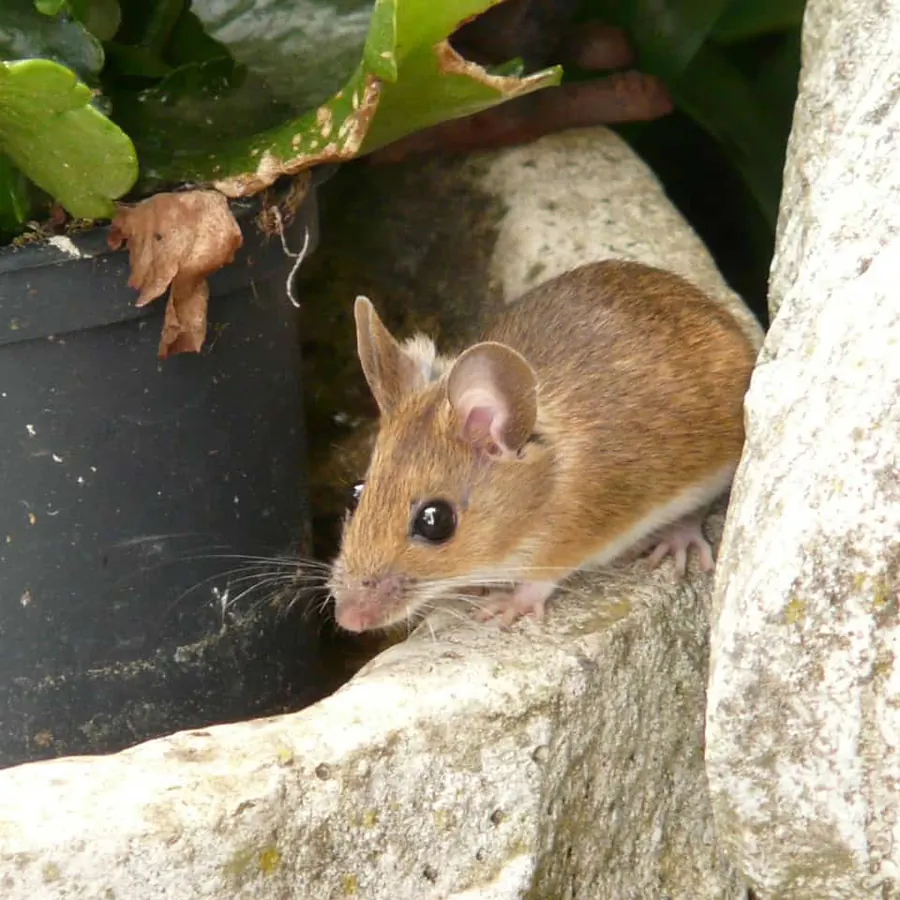
The cost depends on the size of the property, how many buildings and decks are involved, how settled the rodents are and how much proofing is needed. A mouse in the kitchen of a cottage is a small job; a guesthouse with rats in several roof spaces needs a full programme and follow-up visits. Guest accommodation usually suits a service contract. We'll inspect and quote free. If you only have the odd mouse, a couple of traps may be enough, and we'll tell you so rather than sell you a programme.
We're SAPCA registered, have worked in the Garden Route for more than 25 years, and our rodent treatments carry a 3-month guarantee. Wilderness is just down the road from our George office. See also rodent control in George and general pest control in Wilderness.
Call us on 044 012 5011 and we'll come and take a look.
Questions we get asked
Can rats get into my roof from a tree?
Yes. Roof rats are good climbers and use branches and creepers touching the house to reach the gutter and eaves. Trimming them back is one of the most effective things you can do.
Is it safe to use rodent bait at a guesthouse?
Yes, when it's in lockable stations placed out of guests' way. Inside rooms and kitchens we often use traps instead.
Why are rats living under my deck?
It's dark, dry and sheltered, and usually close to food from braais and bins. Clearing the space and closing the edges takes away their favourite spot.
Do I need to close the guesthouse while you treat?
No. Rodent work is done around normal use of the property, and we time visits to suit your bookings.
How long does a rodent programme take?
Activity usually drops over the first couple of weeks, with follow-up visits to check the stations. Larger or long-standing problems take longer.