

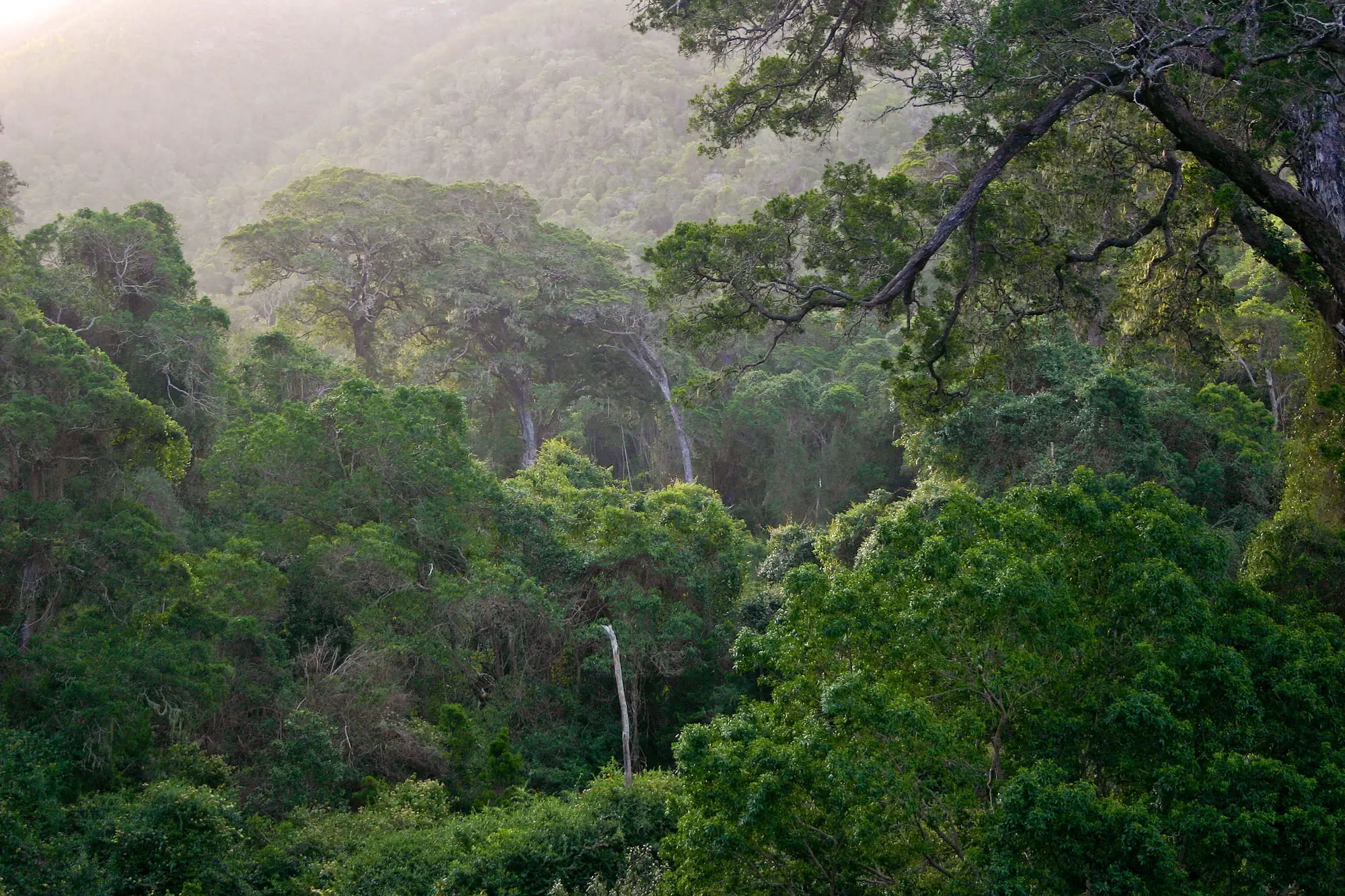
Forest on one side, a paddock on the other, a timber house in between and the mist rolling in from Wilderness. Hoekwil is a beautiful place to live, and the forest brings its residents right up to your door.
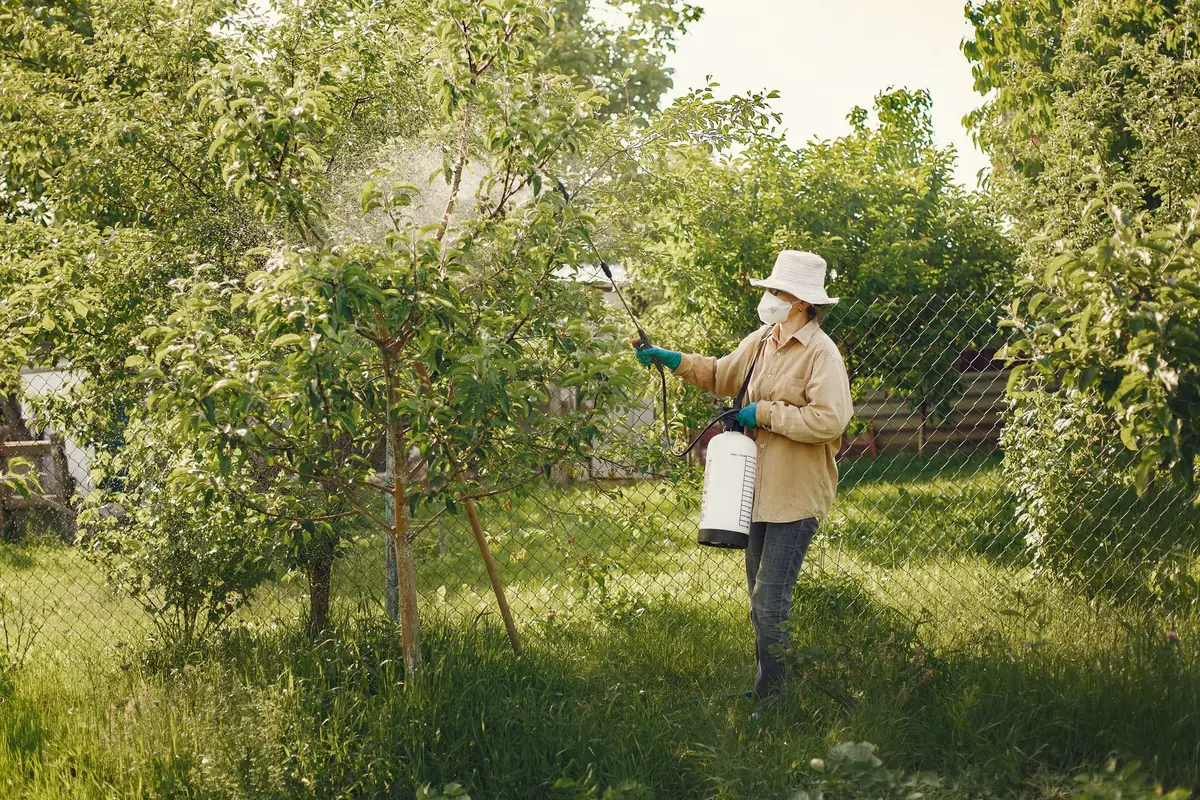
On Hoekwil properties, the pests that cause trouble are roof rats from the forest, wood borer and termites in timber homes and outbuildings, bees and wasps, ticks in paddocks and around dogs, and rodents in feed rooms and sheds. Because so many Hoekwil homes are on smallholdings with animals, we plan treatments around horses, chickens, dogs and children: bait goes into tamper-resistant stations, and we explain exactly how long to keep animals off treated areas.
Life in the hills above Wilderness
Hoekwil sits in the hills above Wilderness, along the old road that winds through the forest towards Knysna. Plots are big. Many have indigenous forest along a boundary, plantations or bush nearby, and a mix of houses, cottages, stables and sheds. It's wetter and misty more often than the coast below, and timber is everywhere: in the houses, the decks, the outbuildings and the fences.
All of that matters for pests. The forest is home to rodents and insects that move easily into buildings. Damp timber suits wood borer and termites. Animals, feed and manure attract flies and rodents. And distances between houses mean a problem on one property often goes unnoticed for a long time.
Roof rats from the forest
Roof rats live in trees and climb onto roofs along branches. In a forest setting, they have endless cover and food, and they move into roof spaces when the weather turns cold. Noises at night, droppings in the roof and chewed wiring are the usual signs. We use bait stations in the roof and along their routes, with traps where bait isn't suitable, and show you the gaps to close. Cutting back branches that touch the roof makes a big difference, though in Hoekwil that's not always possible. See roof rats and rodent control.
Timber homes, decks and outbuildings
Wood borer beetles leave small round holes and fine dust in floors, beams, furniture and roof timbers. Subterranean termites tunnel up out of the ground inside thin mud tubes and into door frames, skirtings and the bottom plates of timber walls. Damp hill air and plenty of timber suit both of them. If you're seeing fresh dust under holes or mud tubes on walls, have it inspected. Our pages on wood borer treatment and termite control in Wilderness explain what's involved.
Bees, wasps and spiders
Old trees, cavities in walls and quiet outbuildings attract honey bee swarms in spring. On a smallholding, paper wasps build under eaves and in the corners of stables and sheds. Spiders, including brown button spiders, live in woodpiles, sheds and under garden furniture. A spray barrier along the house and outbuilding walls keeps spiders down, and bee colonies need to be removed properly, comb and all. See bee removal in Wilderness.
Ticks, fleas and smallholdings
Dogs and horses in Hoekwil pick up ticks in long grass and on forest edges. Brown dog ticks can then build up in kennels and around the house. Treating kennels, runs and the shady parts of the garden, while your vet treats the animals themselves, stops the cycle. Feed rooms and chicken runs need rodent bait stations placed out of reach of animals, and stables need fly control that starts with manure management. Our farm pest control page covers the smallholding side.
Molerats
Softer soil in paddocks and vegetable gardens attracts molerats, which eat roots and bulbs and leave lines of mounds. What works is finding the tunnel they're using and treating it there.
Cottages, flats and rentals
Many Hoekwil smallholdings have a cottage, a garden flat or a few holiday units on the property. Pests move freely between them and the main house, so it's worth treating everything at the same time. Rental units bring their own risks: guests' luggage can carry bed bugs, and kitchens used by different people every week can pick up cockroaches. Get the cottage treated before the holidays, and call as soon as a guest mentions anything; both help keep the reviews good.
How we work in Hoekwil
We start with a walk around the property, house and outbuildings, because on a smallholding the problem often starts in the shed or the feed room, not the house. Then we treat what's needed, explain what we've done and where, and tell you what to change. If a follow-up is needed, we'll book it before we leave.
Water tanks, dams and furrows on smallholdings can also breed mosquitoes in summer. Keep tank lids sealed and inlets screened, and empty anything else that holds water every few days in the warm months.
What it costs
Hoekwil jobs are often bigger than town jobs, simply because there's more to cover: outbuildings, stables, sheds and big gardens. Price is driven by the number of buildings we cover, the pests involved, how entrenched they are and the follow-ups needed. We'll quote after we've seen the property.
We also work in Wilderness, Blanco and George. Call 044 012 5011 or arrange a visit.
Frequently asked questions
Do you treat smallholdings in Hoekwil?
Yes: houses, cottages, stables, feed rooms and sheds, with everything placed so animals can't get to it.
How do I tell if the holes in our timber are active borer?
Clean the dust away and look again after a week. Fresh pale powder and clean-edged holes mean the beetles are at work. Dark holes that stay clean are old.
Can you treat for ticks around the kennels and paddocks?
Yes. We treat kennels, runs and the shady spots where animals lie up, while your vet looks after the animals themselves.
Why do the rats keep coming back to our roof?
The forest gives them shelter and food, and branches give them a way onto the roof. Closing the gaps and cutting back branches that touch the roof matter as much as the bait.
There's a bee swarm hanging in a tree. Should we call you?
Give it a day or two, because a swarm in the open usually moves on. If the bees go into a wall, roof or outbuilding, that's when we come in.
Can you treat the rental cottage at the same time?
Yes. Doing the house and cottage on the same visit means pests can't just move between them.