

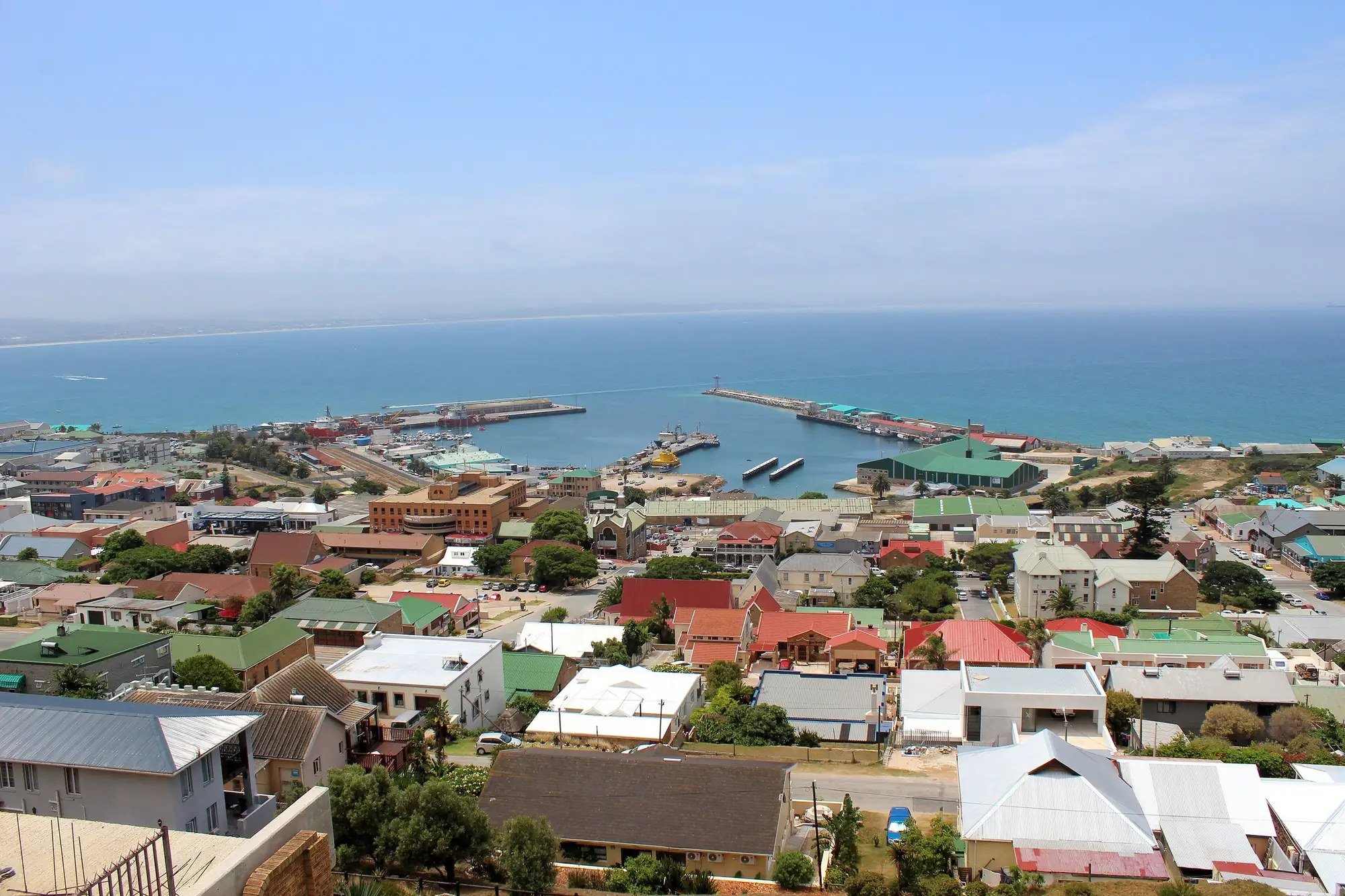
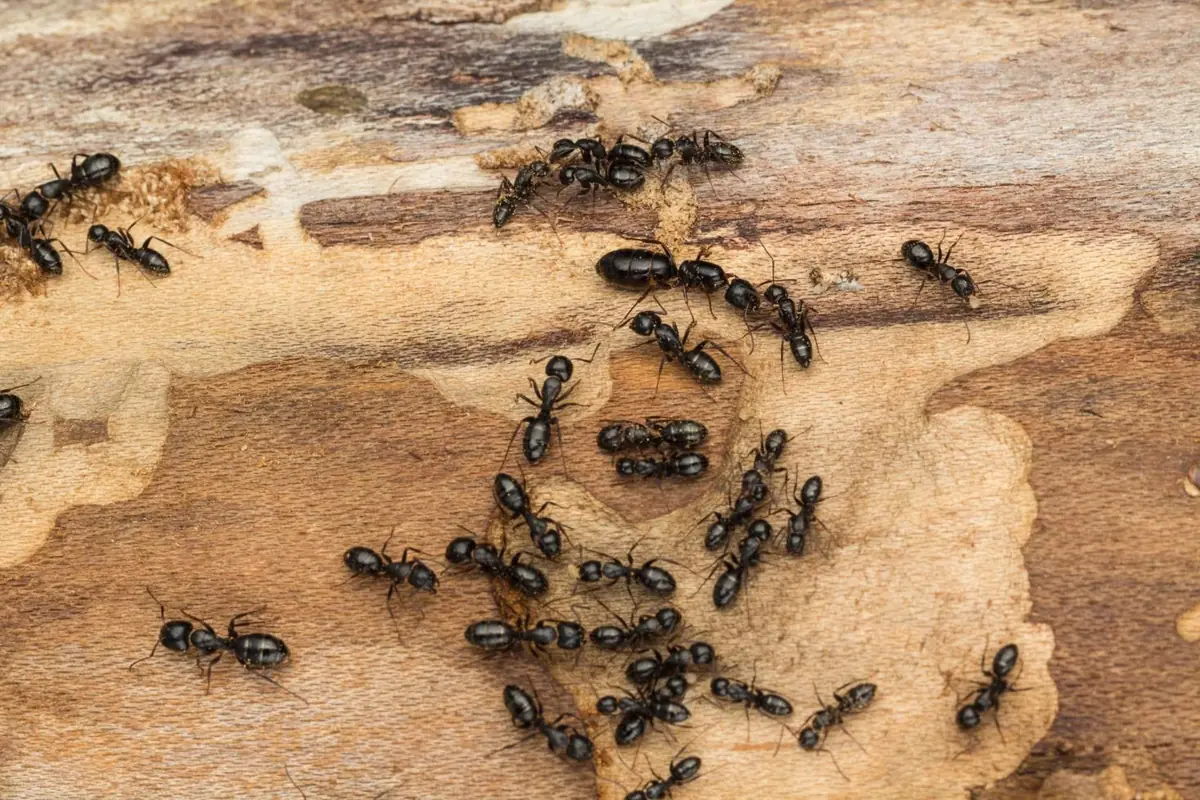
Mossel Bay's sandy soil, paved courtyards and long dry spells make for a very particular ant problem. In summer they come inside looking for water. After rain, they come inside to get out of it.
Ants in a Mossel Bay home only go away for good when the colony itself dies. That means slow-acting bait on the trails and near the nests, which the workers carry home and share with the queens and young, plus a barrier treatment where the ants get into the house. Spraying the trail kills the ants you can see and pushes the rest to split into new nests, which is why the problem often looks worse a week after the supermarket spray.
We treat ants in homes, flats, townhouse and retirement complexes, restaurants, shops and offices across Mossel Bay.
Why Mossel Bay gets ants
Mossel Bay is drier and windier than the towns further east, and its soils are often sandy. That shapes how ants behave here:
- Sandy soil and paving. Courtyards, driveways and pool surrounds laid on sand are ideal for pavement ants and Argentine ants, which push up little piles of sand between the bricks
- Dry spells. When it hasn't rained for weeks, ants come indoors for water. You find them in the shower, at the kitchen tap, around the pet's water bowl and in the dishwasher
- Rain. When it does rain, nests in the sand flood quickly, and ants move into the house to get out of the wet
- Irrigated gardens. A watered garden in a dry town is an oasis, and ants nest in the beds right against the house
The small brown ant in most kitchen trails is the invasive Argentine ant, which lives in networks of nests with many queens.
How we treat
- Find the way in We follow the trail to where the ants enter and, as far as possible, to the nests.
- Bait Placed on trails and close to nests, inside and outside. The ants carry it home, so expect a busy few days on the bait before numbers drop.
- Barrier At sliding door tracks, thresholds, window frames, gaps around pipes and along the foundations.
- Paving and beds Nests between pavers and in the beds against the walls are treated.
- Advice You'll hear what's drawing them in, whether it's water, food or something else, and how to take it away.
Cupboards can stay packed and you can stay home; the treatment is safe for children and pets once it's dry.
Retirement villages and complexes
Many Mossel Bay residents live in retirement villages, townhouse complexes and blocks of flats. Ants move between units through shared walls, paving and gardens, so treating one unit gives a shorter result than treating the block or the whole complex. We work with village managers, body corporates and managing agents to treat common property and units together, and we're happy to work around residents who need a little more notice or help moving things.
Restaurants and food businesses
Along the beachfront, at the Point and in town, restaurants and coffee shops deal with ants around bars, coffee stations, sugar and outdoor seating. Sweet spills and open doors in summer are a constant invitation. Treatment around food areas needs care and timing that suits trading hours. For these businesses a scheduled service under commercial pest control works better than waiting for the next trail.
Water is the key in summer
In a dry Mossel Bay summer, ants are often after water rather than food. Fix dripping taps, leaking toilet cisterns and air conditioner drips. Don't leave a full pet water bowl right against the wall inside; move it a little way out and wipe around it daily. Wipe the shower and basin dry before bed. It sounds small, but cutting off water makes the bait more attractive and the house less so.
Ants in plug points and the DB board
Every so often an ant colony moves into a plug point, a light switch, the distribution board or the electrics of a gate motor or pool pump. It's dry, warm and well hidden. You'll see ants pouring out of the cover plate, or the gate motor starts misbehaving and the technician finds it packed with ants and sand. Don't spray into anything electrical. We bait close by so the workers carry it back into the nest, and once the colony is gone an electrician can clean out the box safely. In the meantime, switch off anything that's sparking or tripping.
What else helps
- A damp, soapy cloth on the trail, not a spray
- Lids on the sugar, honey, syrup and pet food
- Recycling rinsed before it goes in the bag
- A gap between the walls and any shrubs or creepers
- Bait left alone once it's down
Flying ants or termites?
If winged insects come up out of a crack after rain, look closely before you decide. Ants are pinched at the waist; termites aren't, and their four wings are all the same length. Termites are a different job: see termite control in Mossel Bay.
What it costs
We look at the size of the property, how many colonies there are, whether they're nesting under paving or in beds, and whether it's one house or a complex. A kitchen trail from a single nest is quick. A complex with nests running through the paving and gardens is more work, though treating it all at once costs less than treating units one at a time, again and again.
Our main ant control page has more on how ant colonies work, and pest control in Mossel Bay lists other services. Ants marching into a Mossel Bay kitchen? Phone 044 012 5011 and say which room they're in and how long it's been going on. The contact page is there if you'd rather write.
Which ant is it?
Four ants, four different nests to find. Match what you're seeing to the right one.
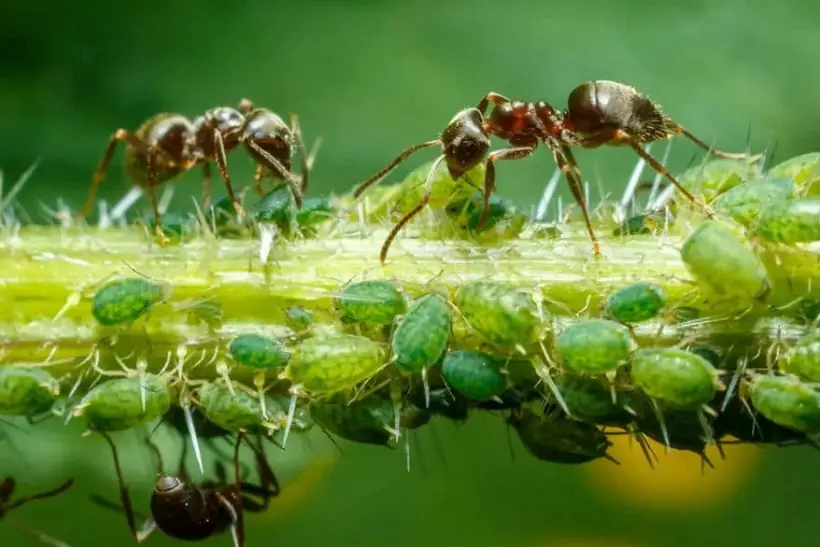 In the garden
Black garden ant
Small dark ant of lawns and flowerbeds
- Colour
- Dark brown to black
- Nests
- Lawns, beds, under stones
- Feeds on
- Honeydew from aphids
- Indoors
- Follows sweet food in
What you'll notice
Ants running up and down plant stems to clusters of aphids, and small nests in lawns and flowerbeds.
Risk level
- Comes indoors
- Garden and paving
- Hard to get rid of
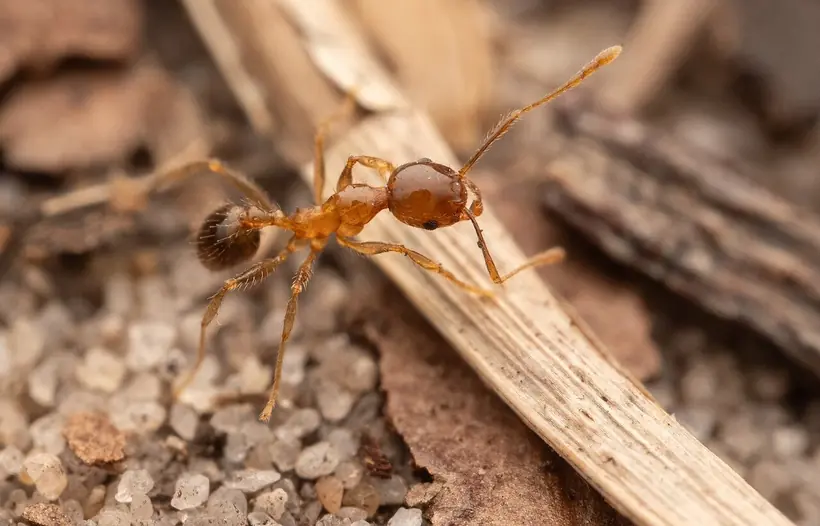 Under the paving
Brown coastal ant
Pheidole megacephala
- Size
- Tiny, with big-headed soldiers
- Colour
- Yellowish to reddish brown
- Nests
- Under paving and foundations
- Gives it away
- Sand in paving joints
What you'll notice
Fine sand pushed up between paving bricks and along the foundations, with tiny brown ants and the odd big-headed soldier.
Risk level
- Comes indoors
- Garden and paving
- Hard to get rid of
 In the kitchen
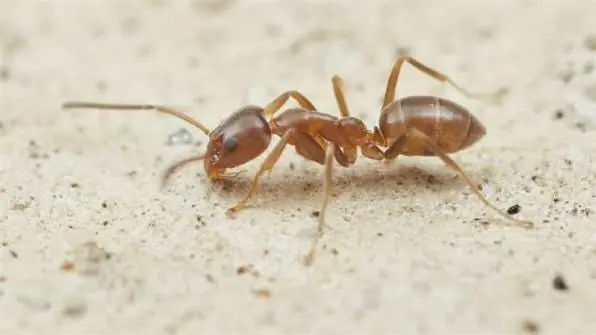
Argentine ant
Linepithema humile
- Size
- 2 to 3 mm, all the same
- Colour
- Plain light to dark brown
- Nests
- Moist soil, under paving and pots
- Comes in
- After rain, in neat trails
What you'll notice
Long, steady trails of small brown ants along skirtings, counter tops and cables, especially after rain.
Risk level
- Comes indoors
- Garden and paving
- Hard to get rid of
 In the walls
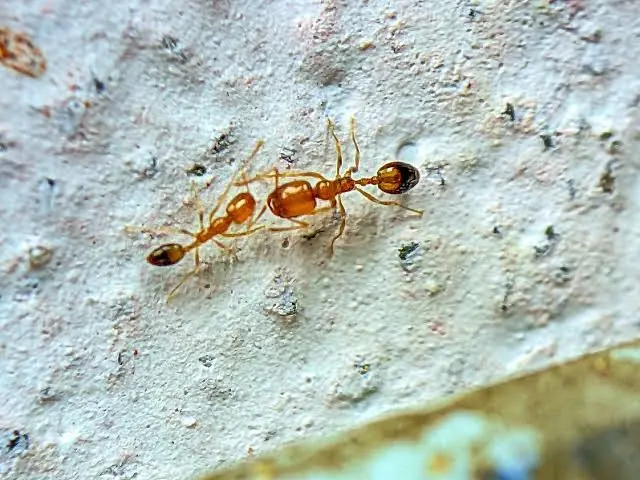
Pharaoh ant
Monomorium pharaonis
- Size
- About 2 mm, very small
- Colour
- Pale yellow, darker tail end
- Nests
- Wall cavities, behind tiles
- Seen at
- Basins, kettles, fittings
What you'll notice
Tiny pale ants around basins, kettles and bathroom fittings, coming out of gaps behind the tiles.
Risk level
- Comes indoors
- Garden and paving
- Hard to get rid of
Frequently asked questions
Why are ants in my shower in summer?
In Mossel Bay's dry spells, ants come indoors looking for water. Fixing drips and wiping wet areas dry helps, along with bait on their trails.
Why is there sand between my pavers?
Pavement ants and Argentine ants nest under paving laid on sand and push the sand up between the bricks. Treating along the joints reaches the nest.
Can you treat a whole retirement village or complex?
Yes. We work with village managers and body corporates to treat common property and units together, which gives a much longer result.
There are ants coming out of a plug point. What do I do?
Don't spray into it, and switch off anything that sparks or trips. We bait nearby so the workers carry it back into the nest, and an electrician can clean the box out afterwards.
Do you treat restaurants on the beachfront?
Yes. We treat restaurants and coffee shops, with care around food areas and timing that suits your trading hours.
Why do ants come back every summer?
Colonies in the gardens around you aren't touched by your treatment, so new scouts arrive in time. An outside barrier as well as bait helps the result last.