


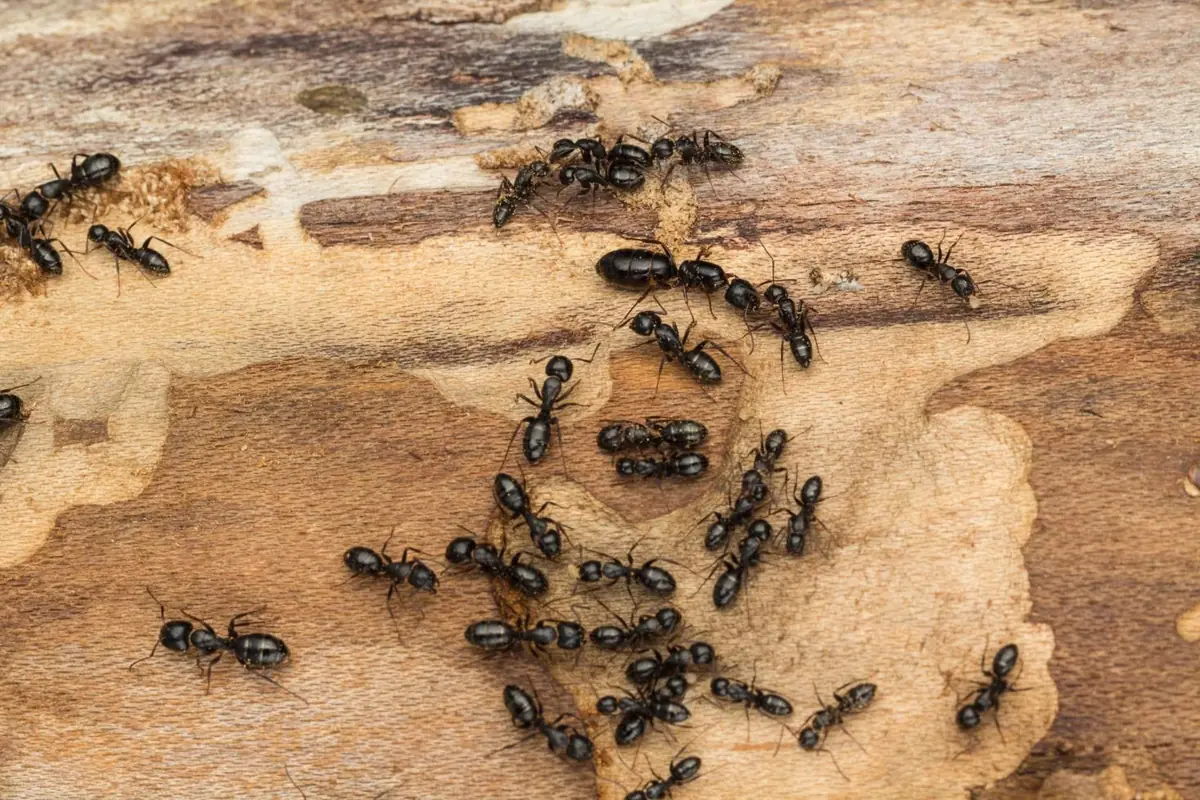
The family arrives for the holidays, someone leaves a melting ice lolly on the counter, and within an hour there's a trail from the sliding door to the sink. In Plett, ants are as much a part of summer as the beach.
Kill the colony, not the trail: that's the whole secret to ants in a Plettenberg Bay home. Slow-acting bait on the trails and by the nests goes home with the workers to feed the queens and larvae, and a barrier at the entry points keeps new ants out. Shop sprays only kill the ants in front of you and make the colony break up into more nests, which is why spraying on the first day of the holiday usually means more ants by the third.
We treat ants in homes, holiday houses, rentals, restaurants, hotels and estates across Plettenberg Bay.
Plett's ant pattern
Plettenberg Bay homes get ants in two waves. The first comes with rain, when nests in lawns, flower beds and under paving flood and the ants move uphill and indoors. The second comes with the holidays, when quiet houses suddenly fill with people, food, sweet drinks, fruit bowls and bins, and the ants in the garden find all of it within a day. Sandy coastal soil, paving laid on sand, irrigated gardens and dense coastal planting give them plenty of nesting space right against the house.
The ant behind most trails is the Argentine ant, a small brown invasive species that lives in connected networks of nests with many queens. You'll also see pavement ants pushing up sand between pavers, and larger black ants nesting in lawns.
Before the holidays
The best time to treat a Plett holiday home for ants is a few weeks before the family arrives. The bait has time to work through the colonies, and the house is quiet, so there's nothing to compete with the bait. Ask for it as part of a holiday home pest control visit, along with anything else that's moved in while the house was empty.
How we treat
- Trail to source We follow the ants back to the gap they're using and, where possible, to the nests.
- Baiting Inside and out, on the trails and beside nests. A few days of extra ants on the bait means it's being taken home.
- Entry points A barrier along sliding door tracks, thresholds, window frames, pipe gaps and the foundations.
- Garden nests Paving, lawns and beds up against the house.
- Advice What's bringing them in and what to do about it.
You can stay in the house and leave the cupboards packed, and treated areas are fine for children and pets once dry.
Rentals and guest houses
In a holiday rental, ants are the kind of thing that turns up in a review. Guests leave food out, sweet drinks on counters and bins half closed. A treatment before the season, and leaving a short note for guests about sealing food, helps. Restaurants and hotels deal with ants around bars, coffee stations and outdoor seating, where sweet spills are constant. A regular service under commercial pest control keeps them down through the busy months.
Estates and complexes
Ants don't stop at boundary walls, and on estates and in complexes with homes close together, treating one house gives a shorter result than treating several together. We work with body corporates and estate managers on wider treatments.
Holiday habits that help
- Keep sugar, cereal, honey, jam and cold drinks sealed or in the fridge
- Rinse out cans and bottles before they hit the recycling bin
- Soapy water on a cloth beats spray for wiping up a trail
- Keep the bin lid closed and take the rubbish out daily
- Don't leave pet food out all day
- When you leave, take every sweet thing with you
Flying ants after rain
Winged insects streaming out of a crack after rain could be either. A pinched waist and front wings longer than the back ones: ants. A straight body and four wings of the same length: termites. There are photos in flying ants or termites, and termite control in Plett explains what to do if they're termites.
Pools, patios and outdoor kitchens
Plett living happens outdoors, and so do a lot of ant problems. Pool paving laid on sand, the joints of a patio, the base of an outdoor kitchen and the edges of a built-in braai are favourite nesting spots, because they're warm, dry under the surface and close to dropped food. Sweep up after a braai, rinse sticky spills off the paving, and keep pet bowls off the patio at night. Where ants are pushing sand up between pavers, the nest is right underneath, and treating along those joints reaches it. Ants that farm aphids on garden plants also climb into the house along creepers and shrubs, so trimming plants away from the walls helps.
What it costs
The quote depends on the property's size, how many colonies are involved, whether they're under paving or in lawns, and whether it's a once-off or ongoing. A kitchen trail is quick. A big estate home with nests through the garden, the paving and around the pool takes longer.
More on ants in general: ant control. Other pests in Plett: pest control in Plettenberg Bay. Ring 044 012 5011 or book online.
Which ant is it?
Four ants, four different nests to find. Match what you're seeing to the right one.
 In the garden
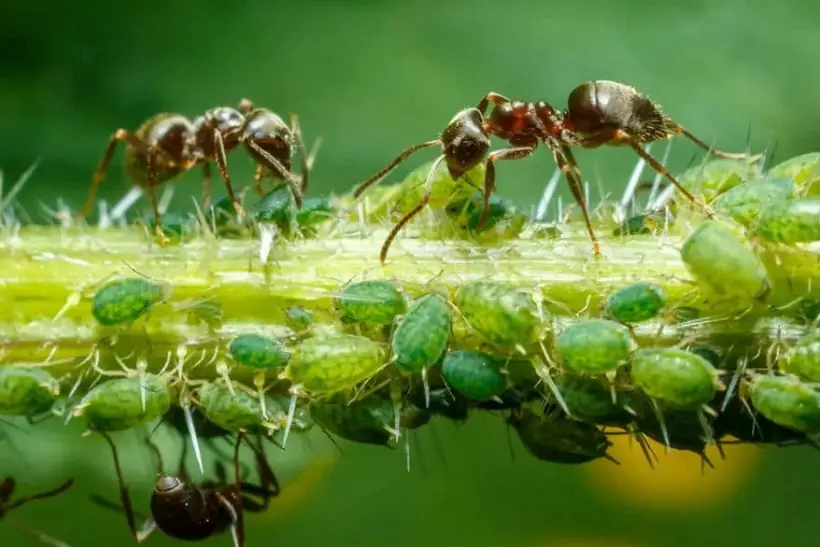
Black garden ant
Small dark ant of lawns and flowerbeds
- Colour
- Dark brown to black
- Nests
- Lawns, beds, under stones
- Feeds on
- Honeydew from aphids
- Indoors
- Follows sweet food in
What you'll notice
Ants running up and down plant stems to clusters of aphids, and small nests in lawns and flowerbeds.
Risk level
- Comes indoors
- Garden and paving
- Hard to get rid of
 Under the paving
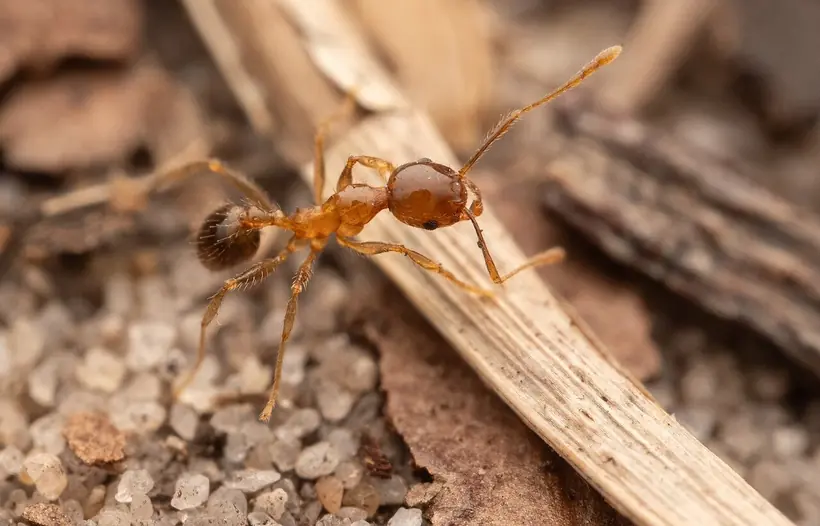
Brown coastal ant
Pheidole megacephala
- Size
- Tiny, with big-headed soldiers
- Colour
- Yellowish to reddish brown
- Nests
- Under paving and foundations
- Gives it away
- Sand in paving joints
What you'll notice
Fine sand pushed up between paving bricks and along the foundations, with tiny brown ants and the odd big-headed soldier.
Risk level
- Comes indoors
- Garden and paving
- Hard to get rid of
 In the kitchen
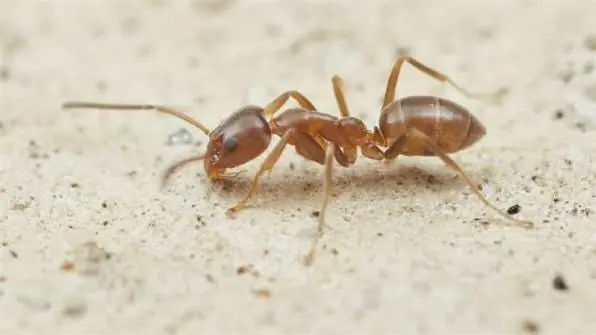
Argentine ant
Linepithema humile
- Size
- 2 to 3 mm, all the same
- Colour
- Plain light to dark brown
- Nests
- Moist soil, under paving and pots
- Comes in
- After rain, in neat trails
What you'll notice
Long, steady trails of small brown ants along skirtings, counter tops and cables, especially after rain.
Risk level
- Comes indoors
- Garden and paving
- Hard to get rid of
 In the walls
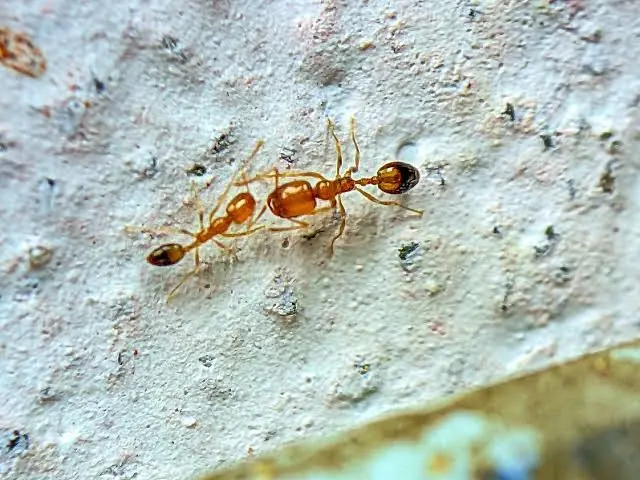
Pharaoh ant
Monomorium pharaonis
- Size
- About 2 mm, very small
- Colour
- Pale yellow, darker tail end
- Nests
- Wall cavities, behind tiles
- Seen at
- Basins, kettles, fittings
What you'll notice
Tiny pale ants around basins, kettles and bathroom fittings, coming out of gaps behind the tiles.
Risk level
- Comes indoors
- Garden and paving
- Hard to get rid of
Frequently asked questions
Why do ants appear as soon as we arrive for the holidays?
A quiet house suddenly fills with food and sweet drinks, and ants from nests in the garden find it within hours. Treating before you arrive prevents it.
Why did spraying make the ants worse?
Spraying kills the workers you see but can make the nest split into several. Bait carried back to the nest is what kills the colony.
When should we treat a holiday home for ants?
Three or four weeks before the family comes down, so the bait has time to work through the colonies while the house is quiet.
Do you need us there for the treatment?
Not at all. Leave a key with the caretaker or agent and we'll message you when the job's finished.
The ants are all over the pool area and the braai. Can you treat outside?
Yes. Paving joints, patio edges and the beds around the pool are where many of the nests are, so the outside gets bait and a barrier as well.
Why do ants head for the dishwasher and the bin?
Sugar and grease. A rinsed dishwasher and a bin with a lid take away two of the easiest meals in the house while the bait does its work.