


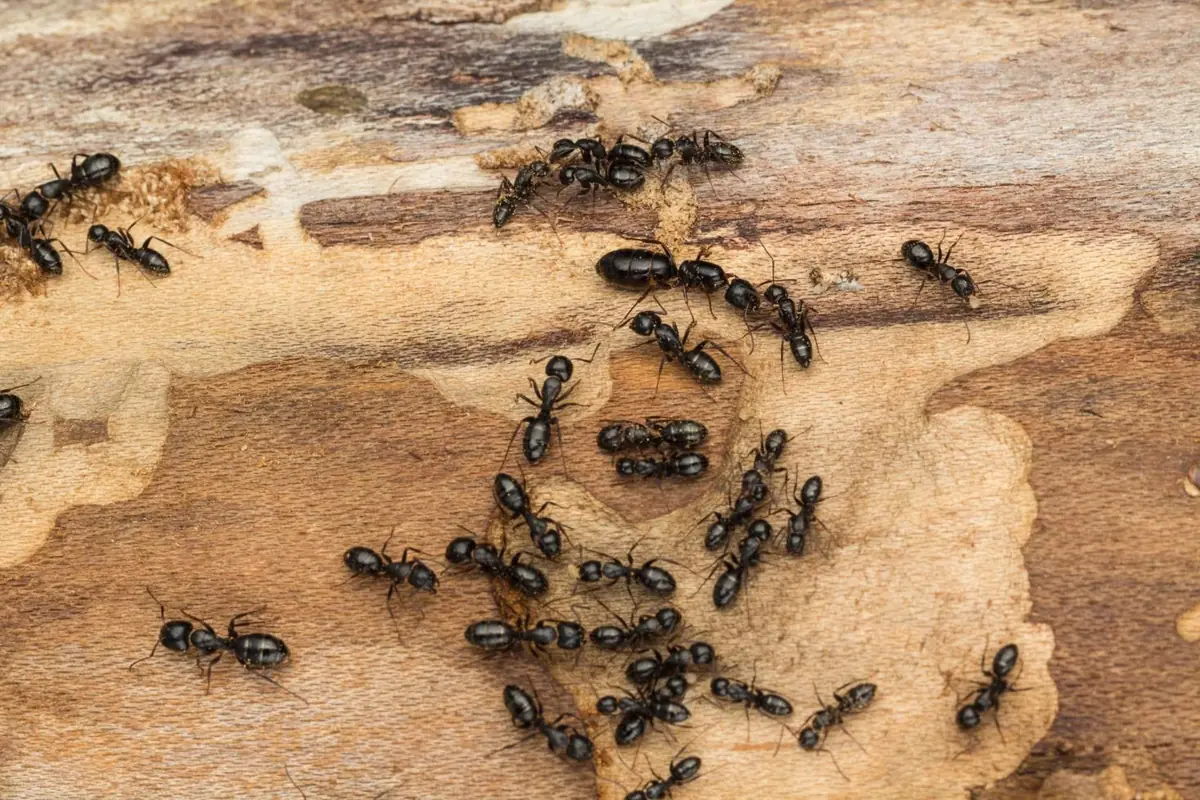
A brand-new house in Dana Bay can have its first ant trail before the last box is unpacked. New paving on sand, new plumbing and a garden full of fresh soil give them everything they need.
Ants in a Dana Bay house are controlled by baiting their trails so the workers carry the bait home to the queens, treating the outside where they come in, and closing the small gaps that new and old houses both have around pipes, frames and paving. Spraying the line on the kitchen floor ends that afternoon's trail and nothing else, because the nest outside simply sends more.
We treat ants in houses, holiday homes, townhouse complexes and retirement units in Dana Bay and the surrounding Mossel Bay area.
Why new houses get ants so quickly
People are often surprised to find ants in a house that's only a few months old. New homes have a few things in common that ants love:
- Fresh paving on a sand bed, which is ideal nesting ground right against the walls
- Gaps around new plumbing and cables where they come through walls and floors, before everything has been properly sealed
- Disturbed soil around the house from building, where colonies from the surrounding veld quickly move in
- Imported topsoil and compost in new beds, sometimes arriving with ants already in it
- Builders' food and drink left around during construction, which tells every scout in the area there's a meal here
None of this means the house is badly built. It just means the first summer is a good time to bait, treat the outside and seal the gaps before the colonies settle in.
Valve boxes and irrigation
If you open the irrigation valve box or the water meter lid and find it packed with ants and sand, you're not alone. These boxes are dry, sheltered and warm, and ants nest in them happily. They can clog valves with sand and make the box unpleasant to work in. Bait placed in and around the box clears the nest; don't flood it with insecticide, which can run into the soil and the water fittings.
The fynbos next door
Dana Bay sits against coastal fynbos, and ants are part of that system in a way most people don't know: many fynbos plants rely on indigenous ants to carry their seeds underground, where they're safe from fire and seed-eaters. Invasive Argentine ants don't do that job and push the indigenous ants out. So we treat your house and garden, not the veld, and we don't spray along the reserve boundary just because ants live there. The ants that matter to you are the ones coming into the house.
Which ants you're likely to see
- Small brown ants in long trails, often the invasive Argentine ant, with nests linked across neighbouring gardens
- Small dark ants pushing sand up through paving joints
- Bigger, biting ants with nests in bare, sunny spots of the lawn
- Very small pale ants around kitchen and bathroom fittings
Winged ants coming out of the ground after rain are usually starting new nests. If they could be termites, the flying ants or termites guide will help you tell.
How we treat
- Find where they come from We follow trails out of the house to the paving, beds, valve boxes and walls where the nests are.
- Bait Set out where the workers are already travelling, near the nests and in cracks or stations, ready to be carried back.
- Treat the entry points Door and window frames, pipe and cable entries, and the line where paving meets wall.
- Seal and advise We'll show you the gaps worth sealing with a little silicone or filler.
Nobody needs to leave, nothing needs to come out of the cupboards, and the dog can be back on the patio once it's dry.
The braai area
Fat dripping off the grid, a spilt cooldrink, crumbs from the rolls: after a weekend braai, the patio is the best-stocked kitchen in the garden. Ants that nest in the paving around it move straight in. Empty and wipe the fat tray, hose down the paving under the braai, and pick up glasses and plates before you go to bed. It sounds fussy, but a clean braai area takes away the reason for the trail that ends up at the back door.
For holiday homes and complexes
A Dana Bay holiday home that's empty for months can have a trail waiting when you arrive. Book a treatment for late November so the bait has done its work in the empty house before the family arrives. In complexes, where nests run under shared paving and along boundary walls, treating the whole complex together works far better than individual units.
What it costs
Two trails into one kitchen won't take long. Big paved areas, several units, or a new house that needs a second round after its first summer take more time, and the quote reflects that once we've seen the place.
More on ant behaviour is on our ant control page, and Mossel Bay's own ant problems are covered on ant control in Mossel Bay. Everything else we do in the suburb sits on pest control in Dana Bay. To book, ring 044 012 5011, or request a visit online and say which rooms the trails show up in.
Which ant is it?
Four ants, four different nests to find. Match what you're seeing to the right one.
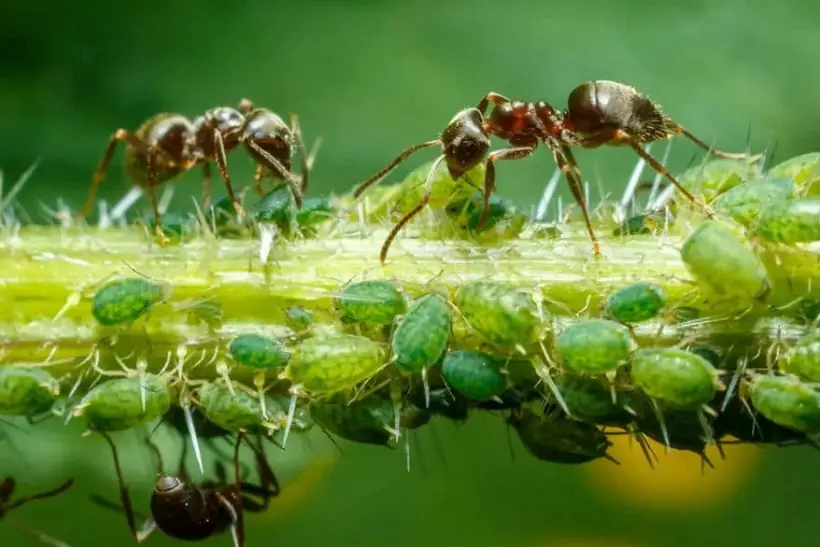 In the garden
Black garden ant
Small dark ant of lawns and flowerbeds
- Colour
- Dark brown to black
- Nests
- Lawns, beds, under stones
- Feeds on
- Honeydew from aphids
- Indoors
- Follows sweet food in
What you'll notice
Ants running up and down plant stems to clusters of aphids, and small nests in lawns and flowerbeds.
Risk level
- Comes indoors
- Garden and paving
- Hard to get rid of
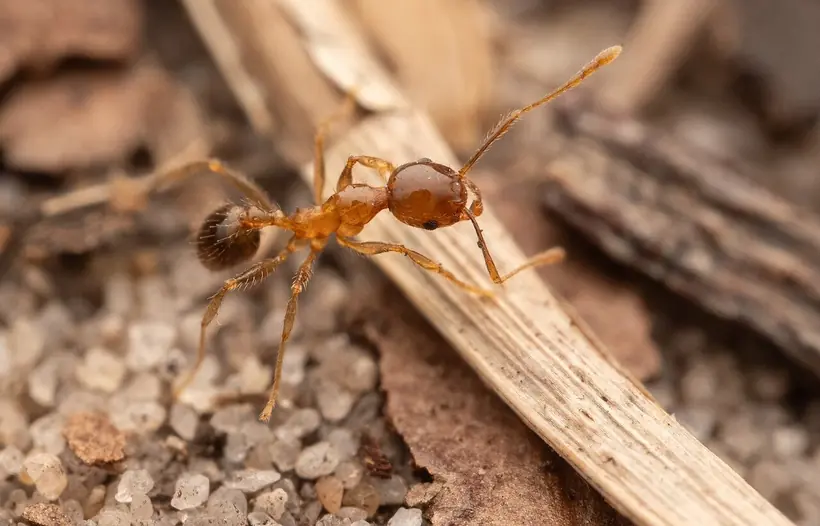 Under the paving
Brown coastal ant
Pheidole megacephala
- Size
- Tiny, with big-headed soldiers
- Colour
- Yellowish to reddish brown
- Nests
- Under paving and foundations
- Gives it away
- Sand in paving joints
What you'll notice
Fine sand pushed up between paving bricks and along the foundations, with tiny brown ants and the odd big-headed soldier.
Risk level
- Comes indoors
- Garden and paving
- Hard to get rid of
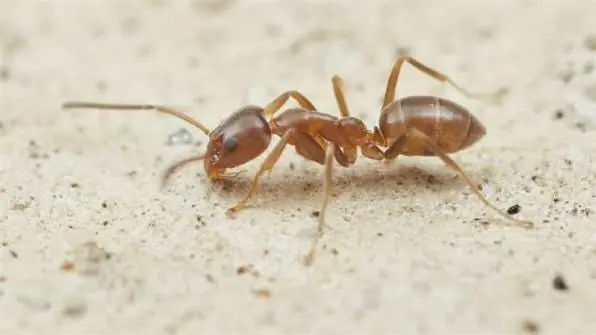 In the kitchen
Argentine ant
Linepithema humile
- Size
- 2 to 3 mm, all the same
- Colour
- Plain light to dark brown
- Nests
- Moist soil, under paving and pots
- Comes in
- After rain, in neat trails
What you'll notice
Long, steady trails of small brown ants along skirtings, counter tops and cables, especially after rain.
Risk level
- Comes indoors
- Garden and paving
- Hard to get rid of
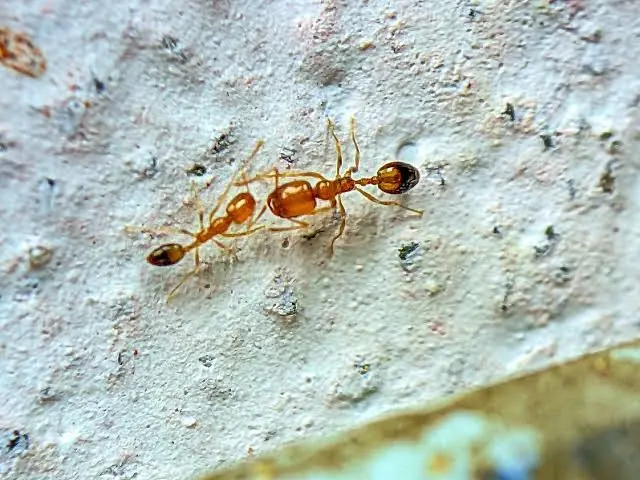 In the walls
Pharaoh ant
Monomorium pharaonis
- Size
- About 2 mm, very small
- Colour
- Pale yellow, darker tail end
- Nests
- Wall cavities, behind tiles
- Seen at
- Basins, kettles, fittings
What you'll notice
Tiny pale ants around basins, kettles and bathroom fittings, coming out of gaps behind the tiles.
Risk level
- Comes indoors
- Garden and paving
- Hard to get rid of
Frequently asked questions
Why does our new house already have ants?
New paving on sand, unsealed gaps around plumbing, disturbed soil and imported topsoil all give ants a quick way in. Baiting and sealing in the first summer sorts it out.
The irrigation valve box is full of ants. What should I do?
Don't flood it with insecticide. Bait in and around the box clears the nest without running chemicals into the soil and fittings.
Will you spray the fynbos next to our house?
No. Indigenous ants in the fynbos help spread plant seeds. We treat your house and garden, where the ants are a problem.
Can you treat our holiday home before December?
Yes. Late November is a good time, so the house is clear by the time you unpack.
Do I need to seal anything myself?
It helps. We'll point out the gaps around pipes, cables and frames worth closing with silicone or filler.
Is the treatment safe for my dog?
Once it's dry, yes. Bait goes where a nosy dog can't easily reach it, and we'll point out which patches to keep the dog off until they've dried.