

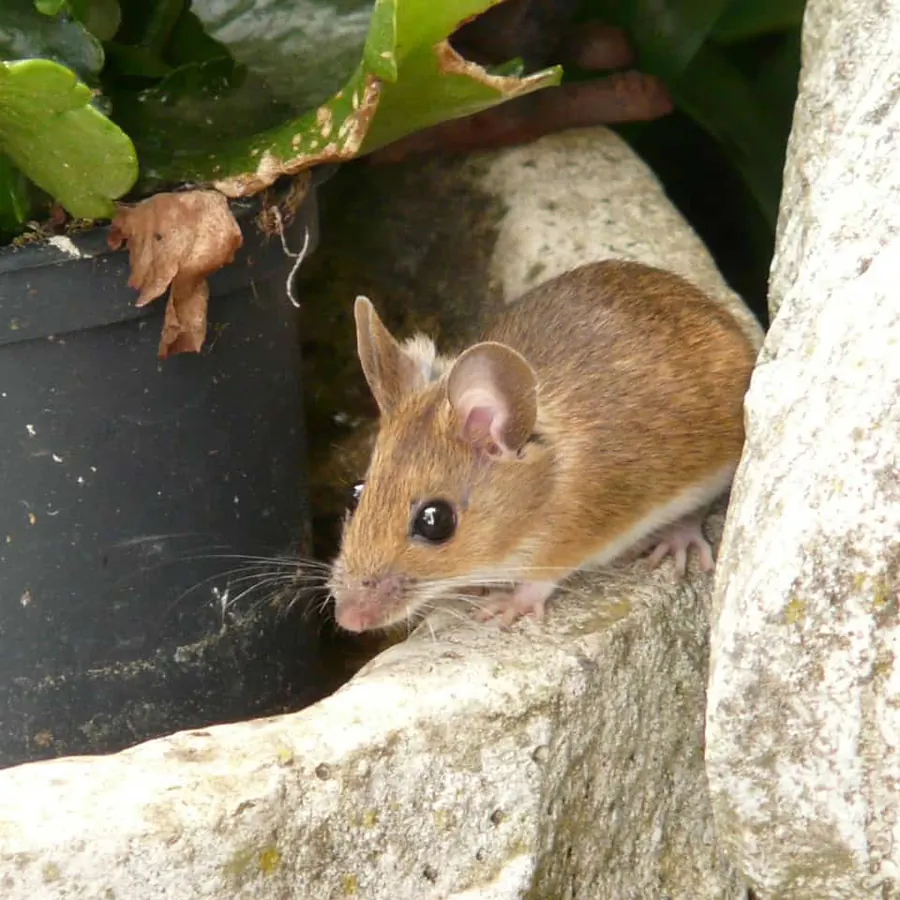
Here's how we deal with rats and mice in Mossel Bay, in the order we do it: find the way in, remove the rodents already inside, close the gap, then check back. Skip any of those steps and they return, which is why a box of poison from the supermarket so seldom works for long.
Step by step
- A proper look round. Roof space, eaves, garage, storeroom, kitchen and garden. We're after droppings, grease marks along walls, gnawed edges, nesting material and the entry points that link them.
- The right tools for the building. Lockable bait stations where pets or children are around, traps where poison isn't suitable, and tracking powder in voids and runs where it can be used safely.
- Proofing advice. We show you exactly where they're getting in and what will close it. Some fixes are a quick DIY job; others need a builder.
- Follow-up. We come back to check stations and traps and adjust the plan.
- Sanitising. Once activity has stopped, we can sanitise affected areas, since droppings and urine carry disease.
Signs to look for
- Scratching or scurrying in the ceiling, usually after dark
- Droppings in drawers, behind appliances or along the tops of garage walls
- Gnawed plastic, food packaging or electrical cables
- Dark smudge marks on beams or around holes where rodents squeeze through
- Pets staring or pawing at one spot on a wall or cupboard
The harbour and industrial side
Any port town has rats. Ships, fish handling, containers and warehouses give brown rats food, water and shelter, and from there they spread along drains and into nearby buildings. For businesses in Mossel Bay's harbour and industrial areas, a one-off treatment rarely holds. What works is a ring of tamper-resistant bait stations around the outside of the building, traps or monitoring inside where food or stock is handled, and scheduled checks so new activity is picked up early. We set this up as a commercial contract and adjust it as the site changes.
Homes and complexes
In residential Mossel Bay, roof rats and house mice are the usual culprits. Mice come in through gaps under garage doors and around pipes. Roof rats climb creepers, downpipes and overhanging trees, then run along the shared roofs of a row of townhouses. In a complex, if one unit has rodents in the ceiling the neighbours probably do too, so it's worth speaking to the body corporate before treating a single unit.
A local tip: watch the garage
Plenty of Mossel Bay garages double as the storeroom for fishing tackle, bait, braai wood, pet food and the chest freezer. That's a rodent's dream. Keep bait and pet food in sealed, hard containers, stack braai wood off the floor and away from walls, and fit a brush strip along the bottom of the garage door. That last one closes a very common way in.
Rats or mice?
It's worth knowing, because the plan changes. Mouse droppings are small and thin, a few millimetres long, and mice tend to stay close to food in kitchens, pantries and garages. Rat droppings are much chunkier, and rats range further, using roofs, drains and garden walls as highways. A rat problem usually means more bait stations spread over a bigger area, and closer attention to the roofline, the drains and anything climbing up the walls.
Why act now
Rodents contaminate food and surfaces, carry diseases such as leptospirosis and salmonella, and chew wiring, which can start a fire in a roof. They also breed quickly, so a few mice noticed in autumn can be a lot more by spring.
What people get wrong
Throwing poison into the ceiling and hoping. It may kill a rat, but you won't know where it died until the smell arrives, and without proofing the next rat simply uses the same hole.
How much will it cost?
Cost depends on the size of the property, how established the rodents are, how many bait stations or traps are needed, how much proofing is involved and how many follow-up visits it takes. A mouse or two in a kitchen is a small job, and honestly, a couple of snap traps baited with peanut butter may be all you need. Rats in the roofs of a row of townhouses, or a warehouse near the harbour, call for a proper programme, and commercial sites usually go on a contract. We'll look first and quote before we start.
Seeing insects as well? Have a look at cockroach control in Mossel Bay or our general Mossel Bay pest control page. Our George rodent control page has more on how we approach rats and mice.
Call 044 012 5011 to talk it through. We're SAPCA registered, have more than 25 years in the Garden Route, and our rodent work carries a 3-month guarantee.
Questions we get asked
Do bait stations stay on a business site permanently?
On most commercial sites, yes. An outside ring of tamper-resistant stations stays in place and is checked on a schedule, which is what stops new rats from settling in.
Can mice really get in under a garage door?
Yes, easily. A young mouse needs only a very small gap, so a brush or rubber strip along the bottom of the door is one of the most useful fixes you can make.
What does sanitising involve?
Once the rodents are gone, we treat the areas where droppings and urine have collected to reduce the disease risk. It's most worth doing in kitchens, pantries and storerooms.
I can hear rats but can't find droppings. Is it still rats?
Quite possibly. Rats in a roof often leave droppings in the ceiling space or along beams where you won't see them. An inspection of the roof space will confirm it.
Is tracking powder safe in my home?
We only use tracking powder in enclosed voids and runways where people and pets can't come into contact with it. Where that isn't possible, we use bait stations or traps instead.