

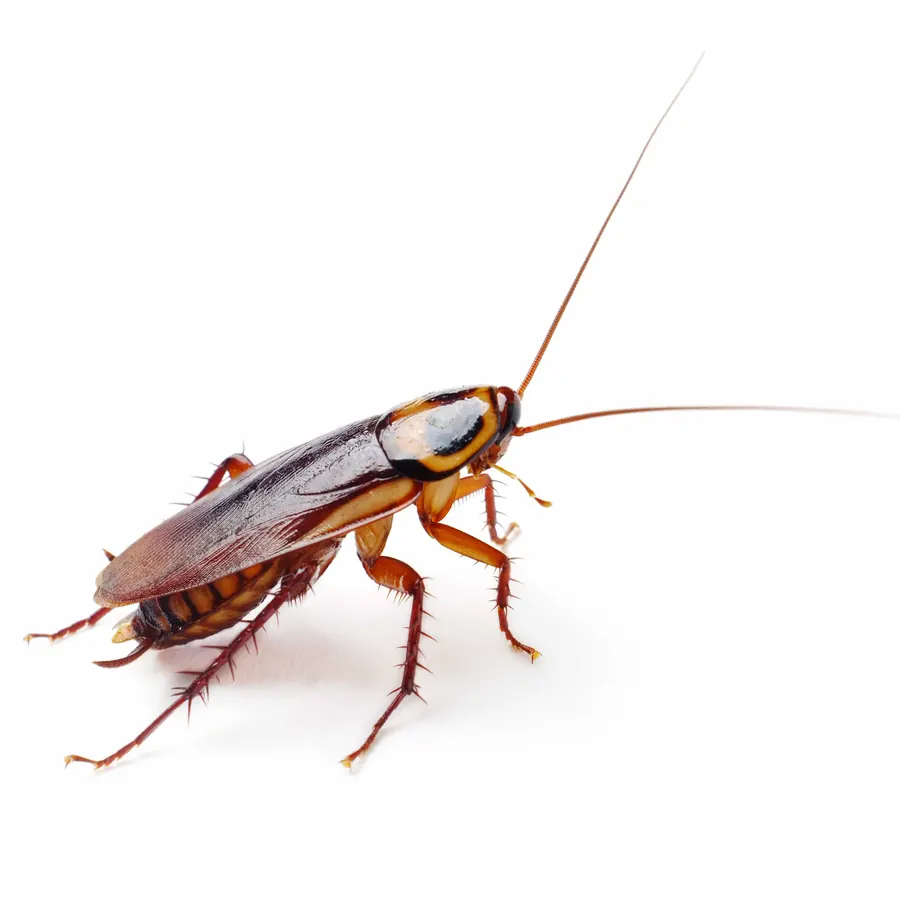
If you're seeing cockroaches in a Plettenberg Bay kitchen, the ones running across the floor are a small part of the problem. Most of the colony is tucked behind appliances, under sink cabinets and inside motor housings. A gel bait placed where they feed, backed up by a residual spray in the cracks they travel along, is what clears them out properly.
Picture the typical call. A family arrives for the December holidays, switches on the kitchen light late at night and watches a dozen small brown cockroaches scatter behind the kettle. The house was locked up and quiet for months, yet the problem has clearly been building the whole time. That's normal, and it's fixable.
Why Plett sees so many of them
Plettenberg Bay runs on a seasonal rhythm. Restaurants, takeaways and guesthouses go from quiet to flat out over summer, and holiday homes fill up with guests, luggage, grocery boxes and cooler bags. German cockroaches are expert hitchhikers. They arrive in cardboard boxes and appliances, then settle into the warmest, dampest part of the kitchen.
Out of season, an empty house doesn't starve them as quickly as people think. A drip under the sink, crumbs behind the stove and the warmth of a fridge motor are enough to keep a small population going until the next crowd arrives with fresh food. In commercial kitchens, the summer rush means more deliveries, more waste and less time for deep cleaning, which is exactly when numbers jump.
How to tell what you're dealing with
- Small, light-brown cockroaches indoors, often in the kitchen or bathroom, are usually German cockroaches. These are the ones that breed indoors and spread fastest.
- Large, reddish-brown cockroaches that wander in from outside, often near drains or at night, are more likely American cockroaches.
- Droppings that look like ground pepper along shelf edges, hinges and the back of drawers.
- Egg cases, small brown capsules, stuck in corners or lying behind appliances.
- A musty, oily smell in cupboards when the infestation is well established.
If you're not sure, our pest identification guide will help, or describe what you've seen when you call.
Our treatment, step by step
- Find the harbourage. We check behind and under the fridge, stove and dishwasher, inside cupboard voids, around plumbing and in the motor areas of appliances. In restaurants we include storerooms, drains and the area where deliveries come in.
- Gel bait. Small spots of bait go where cockroaches feed and shelter. They eat it, go back to their hiding place and spread it to others. This is the part that deals with the ones you never see.
- Residual spray. An odourless, non-staining residual treatment goes into cracks, crevices and runways, and around entry points from outside.
- Follow-up. Bigger infestations, and almost all commercial kitchens, need a return visit to catch the next generation as eggs hatch.
You don't need to empty your cupboards for this. Once the spray is dry, the kitchen is safe for children and pets.
Time it around the season
Here's the local tip that saves the most trouble: if you own a holiday home or rental in Plett, book your cockroach treatment for a few weeks before the December rush, not the day the first guests complain. It gives the bait time to work through the colony while the house is quiet. Restaurants and guesthouses benefit from the same thinking, with a treatment and a contract in place before the peak, so you're not trying to fix a problem in the middle of service.
Between visits, a few habits help a lot: fix dripping taps, don't leave cardboard boxes stacked in the scullery, wipe behind the stove more than once a season and empty kitchen bins before you lock up and leave.
The mistake almost everyone makes
Setting off a fogger or spraying a can of insecticide around the kitchen. It knocks down the cockroaches in the open, but it can also chase the rest deeper into walls and appliances, and many sprays put cockroaches off the bait we'd later use. If you've already tried this, tell us, and we'll plan around it.
How much will it cost?
Price depends on the size of the kitchen or property, how established the cockroaches are and how many follow-ups are needed. A single house with a few sightings is a quick, straightforward job. A guesthouse with several kitchenettes, or a busy restaurant, takes longer and usually goes onto a regular service contract. We'll look first and tell you what's involved before we start.
To be honest about DIY: a couple of big outdoor cockroaches wandering in after rain don't always need a professional. Sealing gaps under doors and keeping drains covered may be enough. Small German cockroaches breeding in your kitchen are a different story. They multiply too quickly for shop products to keep up.
Dealing with more than cockroaches? See our general pest control in Plettenberg Bay or rodent control in Plett. Our main cockroach page for the region is cockroach control in George.
When you're ready, call 044 012 5011. We're SAPCA registered, we've worked in the Garden Route for more than 25 years, and our treatments carry a 3-month guarantee.
Questions we get asked
Why am I seeing more cockroaches right after the treatment?
That's common for the first few days. The treatment flushes them out of hiding and affected cockroaches often wander into the open before they die. If you're still seeing live ones after a couple of weeks, let us know.
Can you treat a holiday rental between guests?
Yes. A normal cockroach treatment doesn't require the place to be emptied, and once the spray is dry the rooms can be used again, so it fits into a changeover day.
Will treating our restaurant interrupt trading?
We schedule commercial treatments around your trading hours, usually before opening or after closing, so the kitchen is ready for service.
Do cockroaches survive in a house that's been locked up for months?
Often, yes. A slow drip, crumbs behind appliances and the warmth of a fridge motor are enough to keep a small colony alive until people come back.
Should I clean before you arrive?
A normal tidy is fine, but please don't spray anything yourself in the days before. Store-bought sprays can stop cockroaches taking the bait we use.