


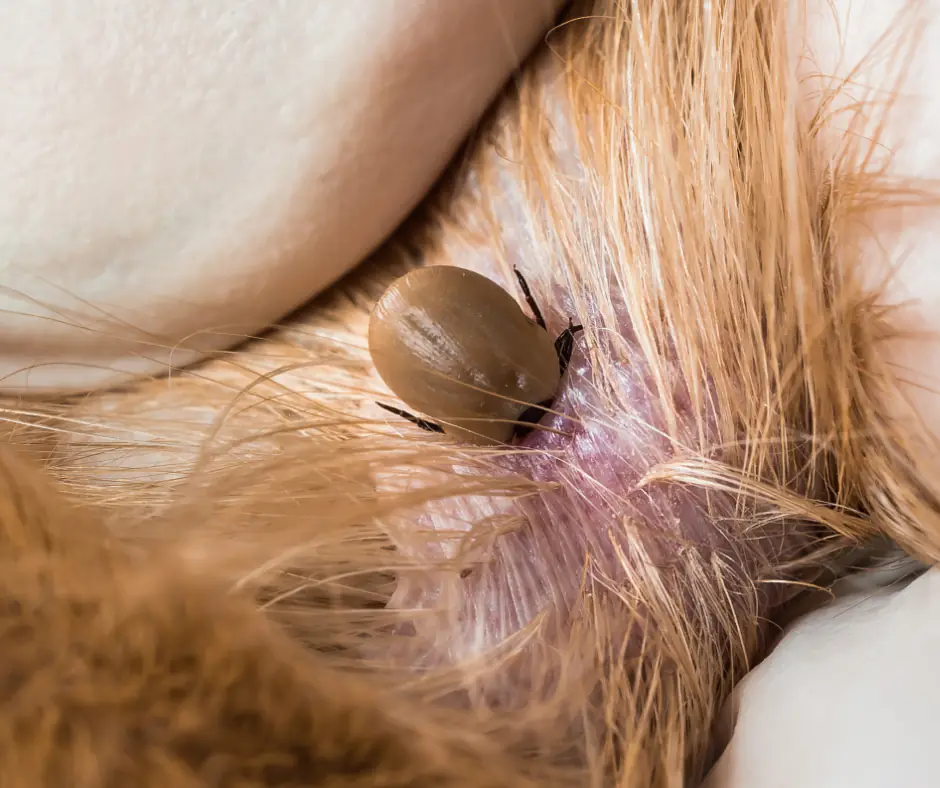
Every summer the same thing happens: the dog starts scratching, the cat goes off to sulk, and someone gets a ring of bites around the ankles. It's easier to prevent than to fix.
Keep every animal in the house on a flea product your vet recommends, all year round, without gaps. Check them properly once a week in the warm months. Wash their bedding and vacuum their favourite spots often. That routine stops most flea seasons before they start. If fleas do get established, every animal, every room they use and the shady corners of the yard need treating within the same few days, because the fleas you see are only a small part of the population.
Why fleas take off in summer
A flea's life has four stages: egg, larva, pupa and adult. Only the adult lives on your pet. The eggs fall off wherever the animal sleeps, walks and lies, and the next two stages grow up in carpets, bedding, furniture, the car and shady soil outside.
How fast that cycle runs depends on warmth and humidity. In cool weather it drags on for months. In a warm, humid summer it can go from egg to biting adult in a few weeks, and each female lays dozens of eggs a day. So a handful of fleas in spring, left alone, can become a serious problem by December. That's the whole reason for "flea season".
A calendar for pet owners
Late winter. Before it warms up, check that every pet's treatment is current, and book a vet visit if you've let it slide. Wash all the pet bedding and give the house a thorough vacuum, including under the couches.
Spring. Fleas start building up, and walks in long grass and veld start bringing home ticks. Begin weekly checks.
Summer. Peak time. Keep treatments exactly on schedule. Plan ahead for the holidays: if pets are going to kennels, a cattery or a house-sitter, make sure their treatment is done before they go. If they're coming with you to a holiday house, treat before you leave home.
Autumn. Don't stop because the weather has cooled. Houses stay warm inside, and fleas keep breeding in carpets and pet beds right through the winter.
The pets people forget
- The indoor cat. "She never goes out" is a classic reason a household's flea treatment fails. Fleas come in on people's clothes and on the dog, and an untreated cat becomes the colony's home
- The old dog who sleeps all day on the same rug, and whose treatment fell off the routine
- Visiting dogs. A friend's dog over for the weekend can leave eggs behind
- New arrivals. Rescue animals and new puppies or kittens should be checked and treated, with your vet's advice on age and weight, before they settle in
Rabbits, guinea pigs and other small pets can get fleas too, but many flea products are dangerous to them. Ask your vet.
Never use dog products on cats
Some flea treatments for dogs contain permethrin, which is toxic to cats and can kill them. Never put a dog product on a cat, not even a small amount, and be careful in the first day after treating the dog if your cat likes to groom it or sleep curled up against it. Always check the label and the weight range.
Checking your pet properly
Run a fine-toothed flea comb through the coat, especially along the back near the tail, the belly and the armpits, over a white towel. Tap what comes out onto a damp paper towel. Black specks that spread a rusty red stain are flea droppings, and they mean fleas are feeding even if you can't see one. Our fleas profile explains the signs in more detail.
For ticks, run your fingers slowly over the dog after every walk in the veld: around the ears and inside them, under the collar, in the armpits and between the toes. The ticks profile covers tick-borne disease in dogs and how to remove a tick properly.
Why a treatment seems not to work
When a flea product seems to have stopped working, look for one of these:
- A pet was missed. Every animal in the house must be treated
- Wrong dose. A growing puppy has outgrown the weight range on the packet
- Gaps in the schedule. Treatment was due on the first of the month and done on the twentieth
- Water. Some spot-on products lose effect if the dog is bathed or swims too soon after application. If yours swims in the sea or the river every day, ask your vet about a product that suits that
- The house. Pets are being re-infested every day by new fleas hatching out of the carpets and garden. The product is working; there are just a lot of fleas
In-season routine for the house
- Vacuum carpets, rugs, couches and pet sleeping spots every few days in summer, and empty the vacuum outside
- Wash pet bedding and throws on a hot cycle every week
- Shake out and wash the blanket in the back of the car
- Keep pets off beds if you're seeing fleas, or wash the bedding more often
And the garden
Fleas survive outside in shade and loose soil, not in full sun. Concentrate on the places your pets choose to lie: the cool sand under a deck, the strip beside the south wall, the hollow under a shrub, the kennel. Keep those areas raked and clear of piled leaves.
When to call us
If your pets have been treated properly for a month and you're still seeing fleas, or people in the house are being bitten, the home needs treating. We treat carpets, floors, pet sleeping areas and the shaded yard with a product that includes an insect growth regulator, so eggs and larvae never become adults. Your pets need their vet treatment in the same week. It's also worth doing before you move into a house where pets lived before you.
How a home flea treatment works is set out on flea and tick control, with local pages for George and Mossel Bay. For kennels, catteries and grooming parlours, see commercial pest control.
Phone 044 012 5011 or book a flea treatment online.
Frequently asked questions
Do I need to treat my pets for fleas in winter?
Yes. Houses stay warm, and fleas keep breeding indoors through the cold months. Stopping in winter means starting the summer with a head start for the fleas.
Can I use my dog's flea treatment on my cat?
Never. Some dog products contain permethrin, which is toxic to cats and can be fatal. Use only products made and dosed for cats.
Why am I still seeing fleas after treating the dog?
New fleas keep hatching from pupae in the carpets and garden for weeks, and jump onto the pet before the product kills them. Keep vacuuming, keep treating, and if it doesn't ease after a month, have the house treated.
My dog swims in the sea every day. Does that affect its flea treatment?
It can. Some spot-on products wash off or weaken with frequent swimming. Ask your vet about a product that suits a water-loving dog.
Will fleas move onto us if the pets are treated?
They may bite you while the last ones hatch out of the carpets, usually around the ankles, but cat and dog fleas can't live or breed on people. Once the pets and house are sorted, the bites stop.
How do I check my cat for fleas?
Comb it with a flea comb over a white towel, then tap the debris onto a damp tissue. Specks that turn rusty red are flea droppings.