

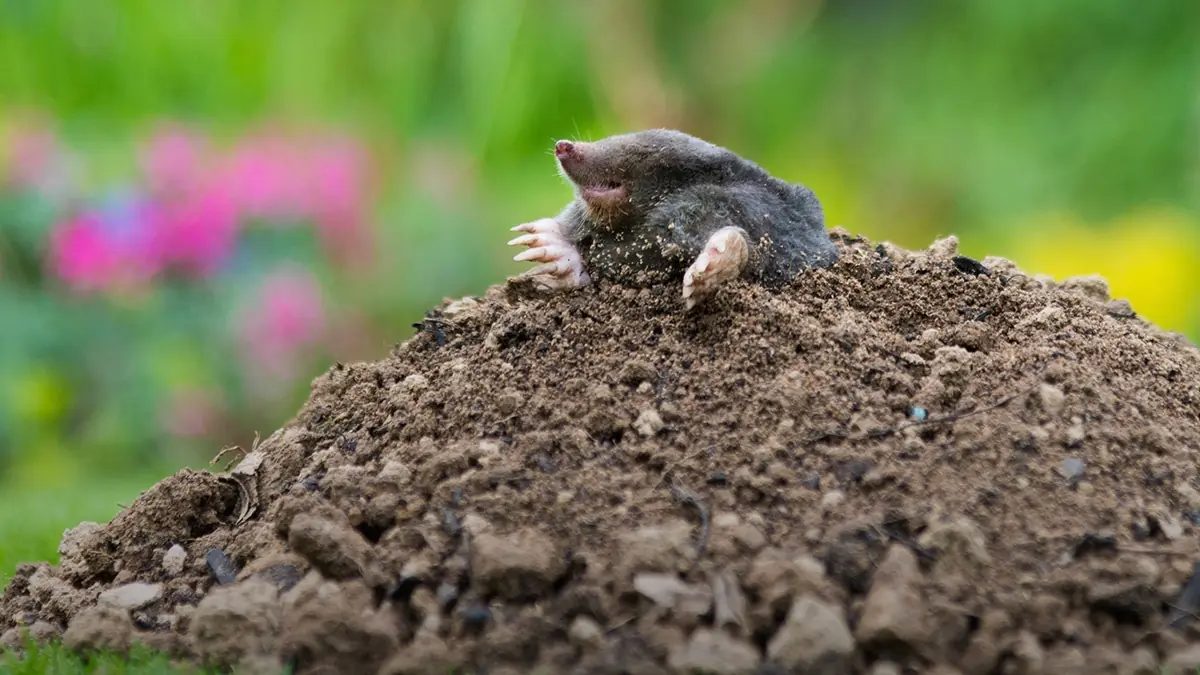
George's green lawns and soft, damp soil are just as attractive underground as they are on top. If fresh mounds appear every morning and your bulbs are disappearing, you have a molerat.
The way to stop molerats wrecking a George lawn is to find the tunnel the animal is using now, put a registered product into it, and then keep checking for fresh mounds and follow up. A molerat spends nearly its whole life underground, feeding on roots, bulbs and the bases of plants and pushing up those heaps of loose soil. The hosepipe, mothballs, garden windmills, buzzing stakes, broken glass in the hole: none of it works, and for one reason. the molerat blocks off the offending section of tunnel and digs a new one around it.
We control molerats in home gardens, townhouse complexes, golf and security estates, school sports fields and smallholdings across George.
Why molerats do well around George
George's regular rain keeps the soil soft and easy to dig, and the town's large, well-watered lawns, flower beds and vegetable gardens provide a constant supply of roots and bulbs. On the edges of town, open ground, farmland and plantations hold molerat populations that move into gardens and estates. Molerats are most active after rain, which in George means a long season.
Molerat or golden mole?
Both tunnel through George gardens, but they're very different animals.
- Molerats are rodents with big front teeth. They throw up heaps of loose soil, frequently in a row, and eat roots and bulbs, so plants wilt or disappear from below
- Golden moles are small insect eaters with shiny fur and no visible eyes. They leave raised ridges just under the lawn surface, not mounds, and they eat grubs and earthworms, not plants
If you're seeing mounds and losing plants, it's molerats. If you're seeing ridges and the plants are fine, it's probably a golden mole. Our moles and molerats profile explains more, and a photo helps us tell.
How we treat
- Find the live tunnel Probing around the newest mounds leads us to the main run, and we test which runs are actually in use, because an abandoned tunnel is a waste of product and time.
- Treat it A registered product goes into the live run, and we close the hole behind it so it stays underground. You'll be told how long children and pets should stay off that patch.
- Come back One system can be long and hold more than one molerat, so we return to look for new soil and treat any run that's still being used.
- Watch the edges Replacement animals arrive from next door and from open land; we'll show you where to keep an eye out.
Estates, golf courses and sports fields
Molerat tunnels under a fairway, a school rugby field or a cricket outfield are more than an eyesore. They give way under a foot and turn ankles. Estates and complexes have a second problem: treating one garden just chases the molerats into the next. The answer is a scheduled programme that walks the same route along the boundaries each time, where new animals come in. We're glad to plan one with an estate manager, body corporate or grounds staff.
Smallholdings and vegetable gardens
On smallholdings around George, molerats get into vegetable beds, orchards and young trees. Burying wire mesh under raised beds and bulb beds keeps them out of those beds permanently, and treating active runs deals with the rest. See farm pest control for the wider picture on a smallholding.
The honest answer about timing
Molerats dig hardest after rain, when the ground is soft, so that's when new mounds pop up, and it's the easiest time to locate and treat their runs. When it's dry they work deeper and quietly, and a lawn can stay clear for weeks until the next rain sets off a fresh row of mounds. That's why a treatment done in a dry month sometimes looks as if it failed, when in fact a new animal has arrived. Follow-ups and boundary checks are what deal with that.
How you know it's worked
After a treatment, flatten the existing mounds with a rake so you can see the difference. If no new mounds appear over the following days, the treated system is no longer active. If fresh soil appears in the same line, the animal has survived or a second one is using the tunnel, and that's what the follow-up visit is for. Mounds that appear somewhere completely different, especially along the boundary, are usually a new animal arriving, not a failed treatment.
Lawns after molerats
Once the animal is gone, the tunnels underneath can stay soft for a while. Water the area well, roll or tread it down gently, and top-dress any hollows with a little lawn dressing. Bare patches recover quickly in George's climate once nothing is eating the roots.
What it costs
We price on the area to be covered, how many separate runs are active, how many return visits it will take, and whether it's a single job or an ongoing programme for an estate or sports field. One molerat under a suburban lawn is quick to deal with. Keeping a golf course clear is a schedule, not a single visit.
For the bigger picture, read mole control; for anything else around George, see pest control in George. A photo of the mounds helps us judge it before we come out, so send one along when you call 044 012 5011 or get in touch online.
Frequently asked questions
We tried flooding the tunnels and a windmill. Why didn't it work?
Molerats simply block off the wet or noisy part of a tunnel and dig a new route around it. The burrow has to be treated where it's in use.
My lawn has raised ridges, not mounds. Is that a molerat?
Probably not. Ridges just under the surface are the work of golden moles, which eat grubs and worms. Molerats push up heaps of loose soil and go for roots and bulbs.
Can you treat a whole golf course or estate?
Yes. Large grounds do best on a programme, with regular checks along the boundaries where new molerats come in.
When's the best time to treat in George?
Whenever fresh mounds are appearing, because they show us exactly which tunnels are in use. After rain is usually when they pop up.
Is the treatment safe for our dogs?
We place it down inside the active tunnel and close the opening, so nothing is left lying on the lawn. Keep the dogs off the area for as long as we advise on the day.
How will we know it's worked?
No new mounds. Rake the old ones flat after treatment and watch that run. If fresh soil comes up in the same place, call us back.