


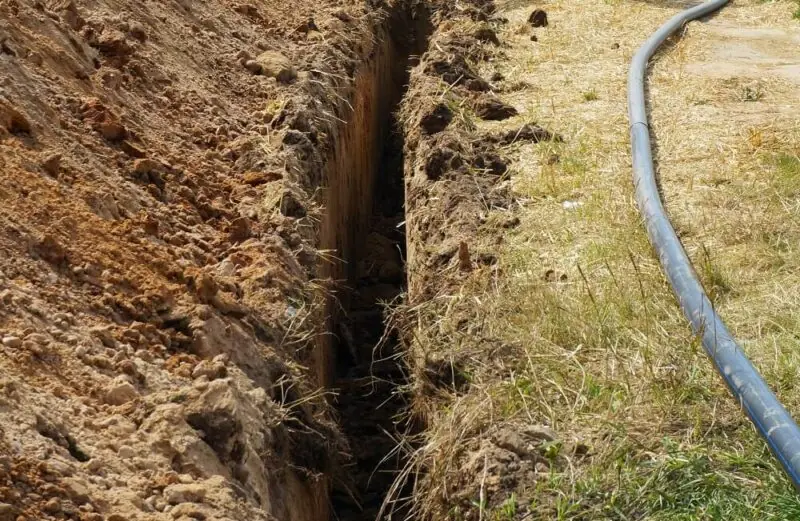
The trenches are dug, the plumbing is in, and the concrete truck is booked for Thursday. If nobody has treated the soil yet, now is the time, because after Thursday it gets a lot harder.
Soil poisoning in George is done in the short window between the foundations being dug and the floor slab being cast. We treat the soil in the foundation trenches, under the slab area and around service pipes with a registered termiticide, so subterranean termites coming up from the ground meet a treated layer before they can reach the house. You get a certificate for the work, which banks, buyers and building inspectors may ask for. The trick is timing: it has to happen after the plumbing and fill are in, and before the damp-proof membrane and concrete go down.
We do pre-construction soil poisoning for new homes, extensions, garages, granny flats, townhouse developments and commercial buildings across George, working to your builder's programme.
Why it matters in George
George is one of the wetter towns on the Garden Route, and subterranean termites thrive in damp soil. A lot of the town's new building happens on the edges, on land that was farmland, plantation or bush until recently, and the termite colonies on that land are still there when the foundations go in. A new house with no protection can look fine for years while termites work their way in through a hairline crack in the slab, around a waste pipe or along an expansion joint, and begin eating skirtings and kitchen cupboards. Treating an existing house means drilling through finished floors and paving. Treating the soil before the slab costs a fraction of that.
How it fits into the building programme
- Your builder calls us That happens once the foundation trenches are dug and the footings cast, so the trenches can be treated.
- The main treatment It's done when the fill under the floor has been compacted and levelled and the plumbing is in, just before the damp-proof membrane goes down. We treat the whole area under the slab, with extra attention around pipes and anywhere the slab will be penetrated.
- The perimeter If it's part of the plan, the ground along the walls is treated again once they're up and before paving goes down.
- The certificate You receive it once the work is done.
Some builds need everything in one visit, others two or three. We agree the visits with your builder so nobody is waiting on us.
What the site needs to be ready
- Trenches or fill compacted and level, with no standing water
- Plumbing and conduits laid and backfilled
- No heavy rain expected immediately afterwards. In a George winter that sometimes means moving a day
- The membrane and concrete following soon after, so the treated soil isn't disturbed or washed
If it does rain hard straight after treatment, or the fill is dug up for a late plumbing change, tell us. The affected area may need re-treating.
Extensions, granny flats and garages
The same applies to any new slab, however small. A granny flat or an extension built next to an older house is a common way in for termites, because the joint between the old and new slabs is a weak point. Treat the new soil and pay attention to that joint. If you're adding paving or a patio against the house at the same time, ask us about treating under it before the pavers go down.
Estates and developments
Larger developments around George usually have soil poisoning written into the specification. We work with site managers to treat each unit as it reaches the right stage, and keep a record of every slab treated, so the certificates can be handed over unit by unit.
The certificate
The certificate records the property, the date, the area treated and the product used. Keep it with your house documents. Banks and building inspectors may ask for it, and buyers often do when the house is sold.
Soil poisoning won't stop wood borer
A treated slab keeps out termites rising from the soil. Wood-boring beetles are another matter: they fly in, or arrive inside timber. If you're using reclaimed beams or untreated decorative timber, have it checked first. See wood borer treatment.
Owner-builders
If you're managing your own build, the rule is simple: phone us when the foundation trenches are dug, and again a few days before the slab is cast. We'll talk you through what needs to be ready at each stage, so the treatment happens at the right moment and isn't disturbed by the plumber or the next delivery of fill.
What it costs
We work out the price from the slab size, the length of the foundations, how many stages of the build need us, and how easy the site is to get onto. A garage slab is a small job. A large house with a complicated foundation layout, or a development with many units, is bigger. We'll quote from the plans.
Our main soil poisoning page explains the treatment in more detail, and if you already have termites in an existing house, see termite control in George. It's worth forwarding our guide on soil poisoning for new builds to your builder. George builders can call 044 012 5011, or submit the plans and pour dates for a quote.
Frequently asked questions
When should soil poisoning be done?
After the trenches and fill are prepared and the plumbing is in, and just before the damp-proof membrane and concrete slab go down.
Do I need soil poisoning for a new house in George?
It's strongly recommended. George's damp soil suits subterranean termites, and treating before the slab is cast is far easier and cheaper than treating an existing house.
Will I get a certificate?
Yes. The certificate records the property, the date, the area treated and the product used. Banks, inspectors and buyers may ask for it.
What happens if it rains after treatment?
Heavy rain straight after treatment, or disturbance of the fill, can mean the area needs re-treating. Let us know and we'll check.
Does an extension need soil poisoning?
Yes. Any new slab should be treated, and the joint between the old and new slabs needs particular attention.
Can you work with my builder's schedule?
Yes. We agree the visits with your builder and work to the building programme.