

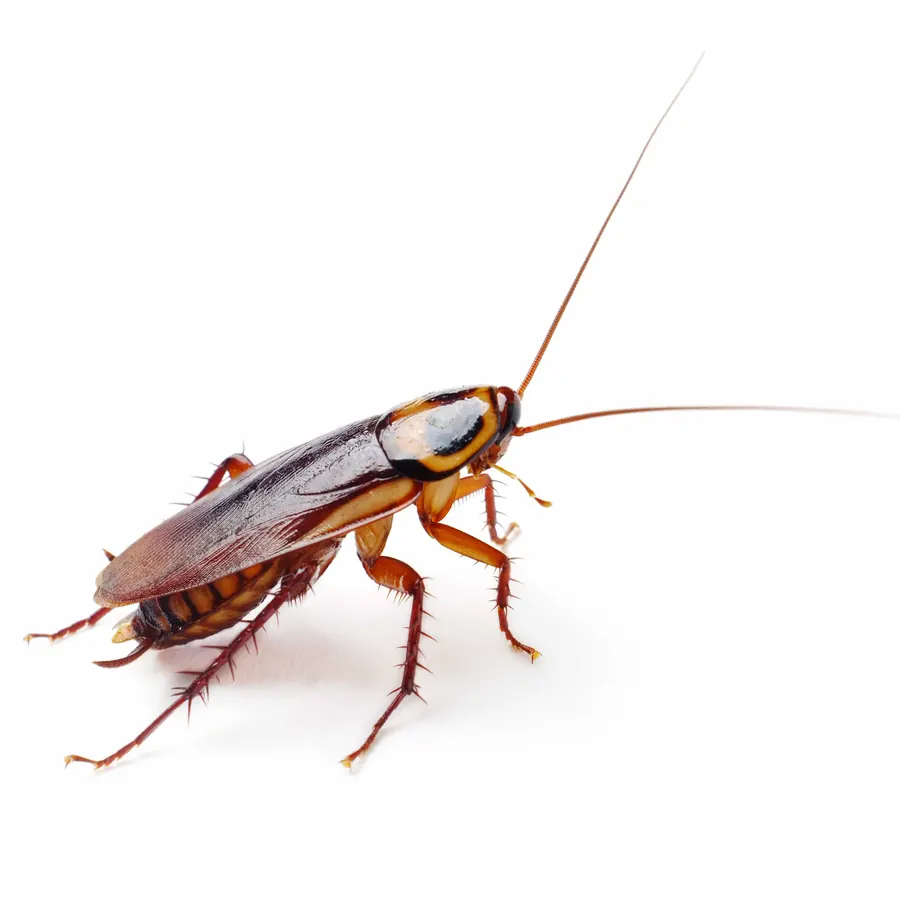
If you're seeing small brown cockroaches in your Dana Bay kitchen, especially when you switch the light on at night, the fix is gel bait placed exactly where they hide, backed up by a residual treatment along the routes they travel. A can of spray on the ones you can see won't touch the ones breeding behind the stove. We find the nests first, then treat them.
"But the house is almost new"
That's the comment we hear most in Dana Bay. Most homes here are fairly recent family builds with modern kitchens and neat finishes, so people assume cockroaches are an old-house problem. They aren't. German cockroaches don't need crumbling plaster. They need warmth, a bit of moisture and food, and every kitchen has all three around the fridge motor, the dishwasher and the cupboard under the sink.
They also don't usually walk in from the fynbos. They get carried in: in cardboard boxes, a second-hand microwave, grocery packaging, a bag of sports kit. One female carrying an egg case is enough to start a population. If you moved in recently, the removal boxes still stacked in the garage are a classic starting point.
Which cockroach have you got?
- German cockroach. Small, light brown, with two dark stripes just behind the head. Lives indoors, mainly in kitchens and bathrooms. This is the one that multiplies fast and needs a proper treatment.
- American cockroach. Large and reddish brown, usually seen at night near a drain, in the garage or in an outside room. It mostly lives outdoors or in drains and wanders in.
Not sure which it is? Our pest identification page will help, or take a photo and describe it when you call.
Signs it's more than one stray
- Cockroaches out in daylight, which usually means the hiding spots are full
- Tiny dark droppings, like ground pepper, in drawer corners and along cupboard hinges
- Small brown egg cases behind appliances or inside the kickplate
- A musty, oily smell in a cupboard that's been closed for a while
How we treat a Dana Bay kitchen
- Look first. We pull out what can be moved and check cupboard hinges, the back of the fridge and stove, the dishwasher kickplate, the geyser cupboard and bathroom cabinets. We're mapping where they live, not just where they run.
- Gel bait. Small dots of cockroach gel go into cracks, hinges and voids right next to where they shelter. They feed on it and go back into hiding, and it keeps working after we've left, in places a spray never reaches.
- Residual treatment. Where it suits the job, we apply an odourless, non-staining residual spray along skirtings, behind appliances and at entry points such as drains and doorways, keeping it clear of the bait so it doesn't put them off feeding.
- Check back. Bigger infestations get a follow-up visit so we can see whether any hiding spots were missed.
You don't need to empty your cupboards or leave the house. Once the sprayed surfaces are dry, it's safe for children and pets, and the gel is placed in cracks and hinges where little hands and noses can't get to it.
The mistake most people make afterwards
Spraying over the bait. After a treatment it's natural to reach for an aerosol when a cockroach runs across the counter. But a fresh layer of household insecticide on top of the gel contaminates it, and cockroaches start avoiding it. Leave the bait alone and let it do its work. Seeing a few more cockroaches in the first days is normal: they're coming out to feed.
Keeping them out for good
- Wipe behind the stove and under the toaster once a week. Grease and crumbs there feed a colony.
- Don't leave pet bowls full overnight.
- Fix dripping taps and the seal under the sink. Moisture matters as much as food.
- Unpack and flatten cardboard boxes, then get them out of the house and garage. Cockroaches love the layers of corrugated board.
A Dana Bay tip: a lot of gardens here run fynbos beds and mulch right up to the walls. That leaf litter is perfect shelter for the big outdoor cockroaches, which then come in under the garage door or up through a floor drain. Leave a strip of paving or bare ground against the house, fit a brush strip to the garage door and keep drain covers in place.
How much will it cost?
It depends on the size of the home, how many rooms are affected and how long the cockroaches have had to settle in. A kitchen with a few German cockroaches caught early is a quick job. A home where they've spread into the bathrooms, laundry and garage needs more bait points and usually a follow-up. Rentals and small businesses can go onto a regular service. We'll give you a free quote once we've seen what's going on.
To be honest about it: if one big cockroach came in from the garden once, you don't need us yet. Close the gap under the door and keep an eye out. If you keep seeing small ones in the kitchen, that's a breeding population, and shop-bought spray won't get to it.
Got other pests at home? See pest control in Dana Bay or rodent control in Dana Bay. For how we handle cockroaches across the region, have a look at cockroach control in George.
When you're ready, call us on 044 012 5011. We're SAPCA registered, we've been working in the Garden Route for more than 25 years, and the treatment carries a 3-month guarantee.
Questions we get asked
Why do I only see cockroaches at night?
Because they're nocturnal and spend the day packed into cracks and voids. If you're starting to see them in daylight, the hiding places are crowded, which points to a well-established population.
Is the gel bait safe with a dog in the house?
Yes, when it's applied properly. We use small amounts placed deep in cracks, hinges and voids where pets can't lick or reach it, not on open floors or counters.
Do I need to wash all my dishes after the treatment?
No. We don't spray inside food cupboards or onto surfaces where you prepare food, so you can carry on using your kitchen as normal.
Can cockroaches spread from next door?
They can in shared walls and townhouse complexes, but in a freestanding Dana Bay home it's far more likely they came in with boxes, groceries or appliances. That's why we look at what's been brought into the house recently.
How soon will I notice a difference?
Most people see far fewer within the first couple of weeks as the bait is eaten. Heavier infestations take longer, which is why we schedule a follow-up on bigger jobs.