

You want the cockroaches gone, but there's a toddler on the floor, a cat on every surface and a fish tank in the lounge. Here's what a treatment involves, and what you need to do.
Yes, when it's done properly and you follow a few simple steps. For a normal insect treatment, children and pets stay out of the rooms while we're applying it and until the treated surfaces have dried. After that, they can go back in as usual. Nobody needs to move out, and you don't need to empty your cupboards. Gas fumigation is the exception: that needs everyone, pets included, out of the building until it has been cleared.
The details below are what we'd tell you on the phone before booking.
Tell us who lives in the house
When you book, mention:
- Babies and small children who crawl or play on the floor
- Anyone pregnant, or with asthma or a chemical sensitivity
- Dogs, cats, and especially birds, fish, reptiles and other small pets
- Any animals that live outside in the area to be treated, like chickens or a rabbit hutch
None of these stops a treatment. They change how and where we work, and what we ask you to do on the day.
Before we arrive
- Pick up from the floor Toys, dummies, pet bowls, pet beds and blankets in the rooms being treated. It makes our job easier and keeps them clean
- Fish tanks Cover the tank with a towel or cling wrap and switch off the air pump while we treat that room. Switch it back on once the room has aired
- Birds Cage birds are sensitive to anything in the air. Move the cage to a room that isn't being treated, or outside in the shade, until the treated rooms have aired
- Reptiles, hamsters and the like Move their enclosures out of the treated rooms
- Food Put away anything left out on counters. Packed cupboards can stay as they are
While we're working
Children and pets go to a room we're not treating, or into the garden, or out for a walk. Cats are the hardest, because they want to see everything, so it's often simplest to shut them in a bathroom or bedroom with their litter tray until we're finished.
The products we use for general insect work are odourless and don't stain. They're applied where insects travel and hide, not sprayed over the whole floor or into the air: along skirtings, under and behind appliances, in cracks, around door and window frames, and inside the hinges of cupboards.
After the treatment
- Open the windows and let the rooms air
- Wait until it's dry. Usually that's a few hours, depending on the weather and the surface. We'll tell you on the day for your house
- Then carry on as normal. Children can play and pets can come back in
- Don't wash the treated edges straight away. Mop the middle of the floor as usual, but leave skirtings and cupboard edges alone for as long as we advise, so the treatment keeps working
Gel bait for cockroaches
Gel bait is placed in tiny dots in cracks, hinges and the backs of appliances, where cockroaches go and small hands don't. The amount in each dot is very small. Don't wipe them away when you clean, because that's what's doing the work. The cockroach control page explains how baiting clears an infestation.
Rodent bait
Rodent bait is where pet owners are most careful, and rightly so. We use tamper-resistant bait stations, which lock and can't be opened by a dog or a child. They're placed in the roof, behind appliances and along walls outside where rodents run. Loose bait isn't scattered where pets can reach it.
If you think your dog or cat has eaten rodent bait, from anywhere, take it to the vet straight away and tell them what kind of product it was. If it was ours, call us and we'll give you the product name for the vet. Many rodent baits stop the blood from clotting, and vets have a treatment for that, but timing matters. Our rodent control page covers how baiting is planned around pets and wildlife.
Outside treatments
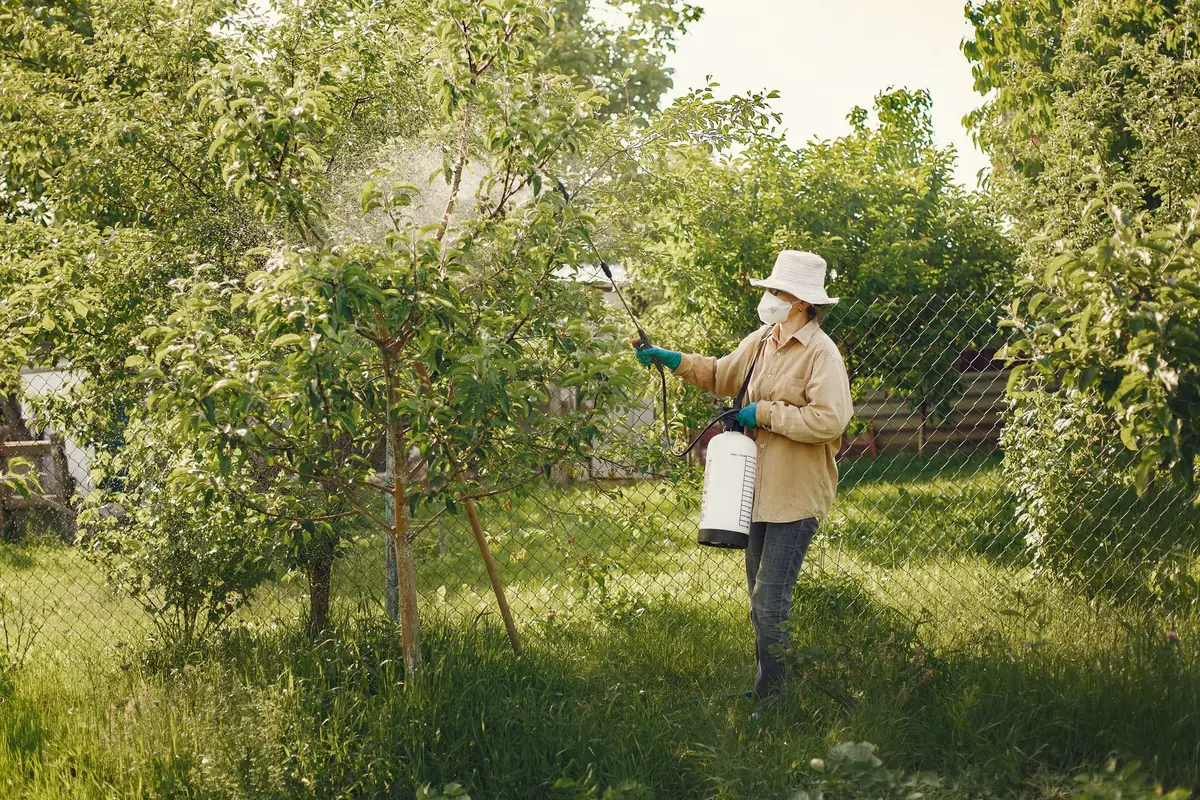
For barrier treatments around the house, flea treatments in the yard, or lawn treatments, keep dogs and children off the treated ground until it's dry. Put dogs in the house or a closed-off part of the garden for that time. Chickens and other outdoor animals should be kept away from treated areas until we say it's fine.
Flea treatments
A flea treatment only works if the pets are treated too, with a product from your vet, in the same week. We don't treat the animals themselves. See flea and tick control for the full picture.
Fumigation is different
Gas fumigation, used for stored grain and goods, warehouses and some severe infestations in homes, is a different kind of treatment altogether. The building or container is sealed and filled with a gas that reaches every crack. Nobody, human or animal, stays inside, and nobody goes back in until it has been aired and cleared. We'll explain exactly what that involves before any fumigation job.
Questions worth asking any pest controller
Whoever you use, you're entitled to ask:
- What product are you using, and is it registered for this use?
- How long should we stay out of the treated rooms?
- What should we do if a child or pet touches a wet surface?
- Where exactly are you putting bait?
A registered company will answer all of these without fuss. We're SAPCA registered, and the answers are part of every job.
If you have a question about your own household before booking, call 044 012 5011 or send us a message.
Frequently asked questions
How long after a treatment can my children go back into the room?
As soon as everything we treated has dried. On a warm day with the windows open, that doesn't take long. We'll give you a time for your house on the day.
Do I need to take my cat out of the house?
No. Just keep it shut in a room we aren't treating, with its litter tray, until the treated rooms are dry.
What about my fish tank and my budgie?
Cover the tank and switch off the air pump while we treat that room. Move the bird to an untreated room or outside until the treated rooms have aired properly.
Is it safe if someone in the house is pregnant?
Tell us when you book. We'll plan the work so they can be out of the treated rooms while we apply it and until they're dry. If you have concerns, check with your doctor too.
What if my dog gets into rat bait?
Go to the vet straight away and tell them the type of bait. If it's one of our stations, phone us for the product name. Don't wait for symptoms.
Can I mop the floors after a treatment?
Yes, once it's dry. Just avoid scrubbing the skirtings, cupboard edges and corners for as long as we advise, because that's where the treatment is working.