
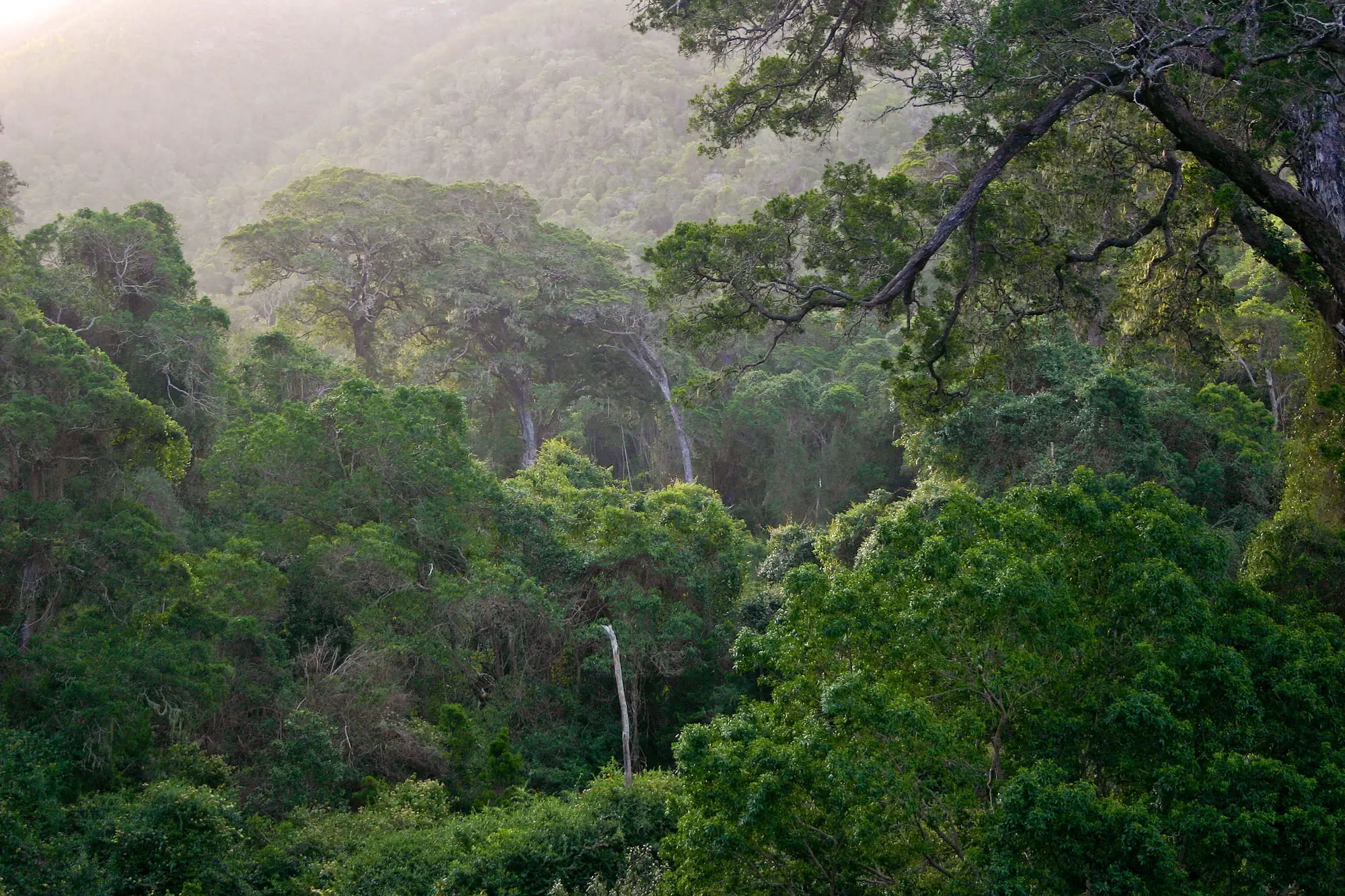
A village inside the forest, at the edge of a national park, where the Otter Trail ends and cell signal sometimes doesn't. In Nature's Valley, the wild is right outside the door, and sometimes it comes in.
Nature's Valley homes are mostly holiday houses surrounded by indigenous forest, and their pest problems follow from that: rats and mice moving in from the forest while the house is empty, fishmoths and booklice in damp rooms, wood borer in timber, wasps under the eaves and the odd bee colony in a wall. We deal with them carefully, with targeted treatments placed only where they're needed and bait inside tamper-resistant stations, because the village sits inside one of the most special natural areas on the coast.
Living inside a national park
Nature's Valley lies at the Groot River lagoon, east of Plettenberg Bay, surrounded by the Tsitsikamma section of the Garden Route National Park. Forest comes right up to the houses, the lagoon and the beach are a short walk away, and many of the homes are timber, set among the trees. The village is quiet for much of the year, then fills up over the holidays.
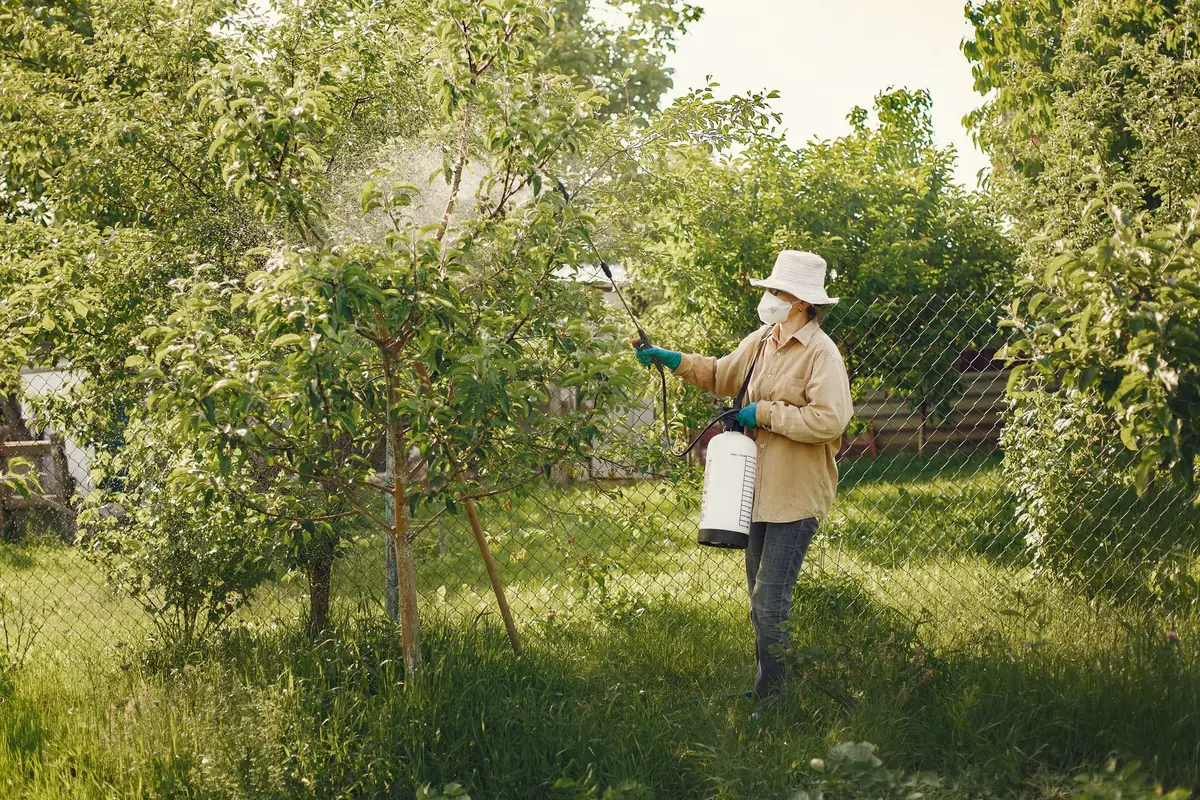
That setting shapes how we work. Treatments are targeted, not blanket. We put bait for rodents in tamper-resistant stations rather than loose, use traps where they're the better choice, and apply insect treatments to the house itself, not the forest around it.
Rodents from the forest
Forest rats and mice don't stay out of houses when the houses are empty and quiet. They come in through gaps under doors, open vents, around pipes and through the roof, and nest in insulation, linen and cupboards. Roof rats also move along branches onto the roof. We place stations inside the roof and house, find the entry points and show the owner how to close them. Taking every bit of food out of the house when you leave, including sealed packets, helps more than anything else. See rodent control.
Damp, timber and the forest climate
The forest keeps the air damp and cool, and closed houses stay humid. Fishmoths and booklice settle into bookshelves, linen cupboards and boxes. Timber homes can also attract wood borer beetles, especially in untreated timber and older furniture, and subterranean termites in timber close to the ground. An inspection tells you whether you're dealing with old damage or something active.
Wasps, bees and spiders
Quiet houses give paper wasps time to build nests under eaves, on decks and around outdoor showers. Honey bees occasionally move into wall cavities and roofs. Spiders spin webs over every light and window. Nests near doors and outdoor living areas should be removed before the family arrives, while they're still small. More on that under wasp nest removal and bee removal.
Ticks and walks
Hiking trails and forest paths mean ticks for dogs and people. Check after every walk, especially dogs' ears, toes and collars, and use a tick product from your vet. See our ticks profile.
Bins and food
In a village inside a park, rubbish is a magnet. Bins left with food in them attract rodents, and in summer they breed flies. Keep bins sealed and take food waste with you when you leave the house rather than leaving it for collection. Don't leave pet food, fruit or bird seed out on the deck. Less food around the house means fewer rodents trying to get into it.
The lagoon side
Houses close to the Groot River lagoon get more mosquitoes in summer. Most breed in water around the house rather than in the lagoon itself, so emptying gutters, outdoor shower trays and anything that holds water every few days during the holidays helps a lot.
A pre-season visit
Nature's Valley is a long drive from George, so visits are planned well ahead. A single visit a few weeks before the holidays, covering the roof space, kitchen, cupboards, bedrooms, decks and eaves, catches most problems. If you're not there, a neighbour with a key is enough, and you'll get a report of what was treated and what needs fixing. Holiday home pest control explains the visit, and getting a holiday home ready for December is a list to work through before you lock up.
Permanent residents
A small number of people live in Nature's Valley all year. For them, the forest is a constant neighbour rather than a seasonal one, and what works best is treating the outside walls twice a year, looking in the roof before winter, and keeping an eye on the timber. Tell us when you book if you'd like a regular schedule, and we'll plan visits to fit in with our trips east of Plett.
What it costs
The size of the house, what we find there and the amount of treatment needed decide the price. Travel to Nature's Valley is part of the price, so when neighbours book on the same day, everyone saves. We'll quote before we go out.
We also cover Plettenberg Bay and Keurboomstrand. Phone 044 012 5011 or write to us with the dates you're coming down.
Frequently asked questions
Do you come out to Nature's Valley?
Yes, by appointment planned ahead. It's a drive, so we like to book it a few weeks before you arrive and do everything in one trip.
How do you treat inside a national park?
We treat the house, not the forest. Rodent bait goes only into tamper-resistant stations, and every product is used just where it's needed.
Why do mice move in every winter?
Forest rodents look for shelter and food when it's cold and wet, and a quiet house offers both. Take all food home and close the gaps they use.
Is the borer in our timber house still active?
Wipe away the dust and check a week later. If pale powder is back, the beetles are active. Old, dark holes that stay clean are history.
We walk the trails every day. How do we deal with ticks?
Check yourselves, the children and the dog after each walk, especially behind the knees, along the hairline and under collars, and keep the dog's tick treatment up to date.
Do you need us there?
No. Whoever keeps your spare key is welcome to let us in, and we'll report back afterwards.