

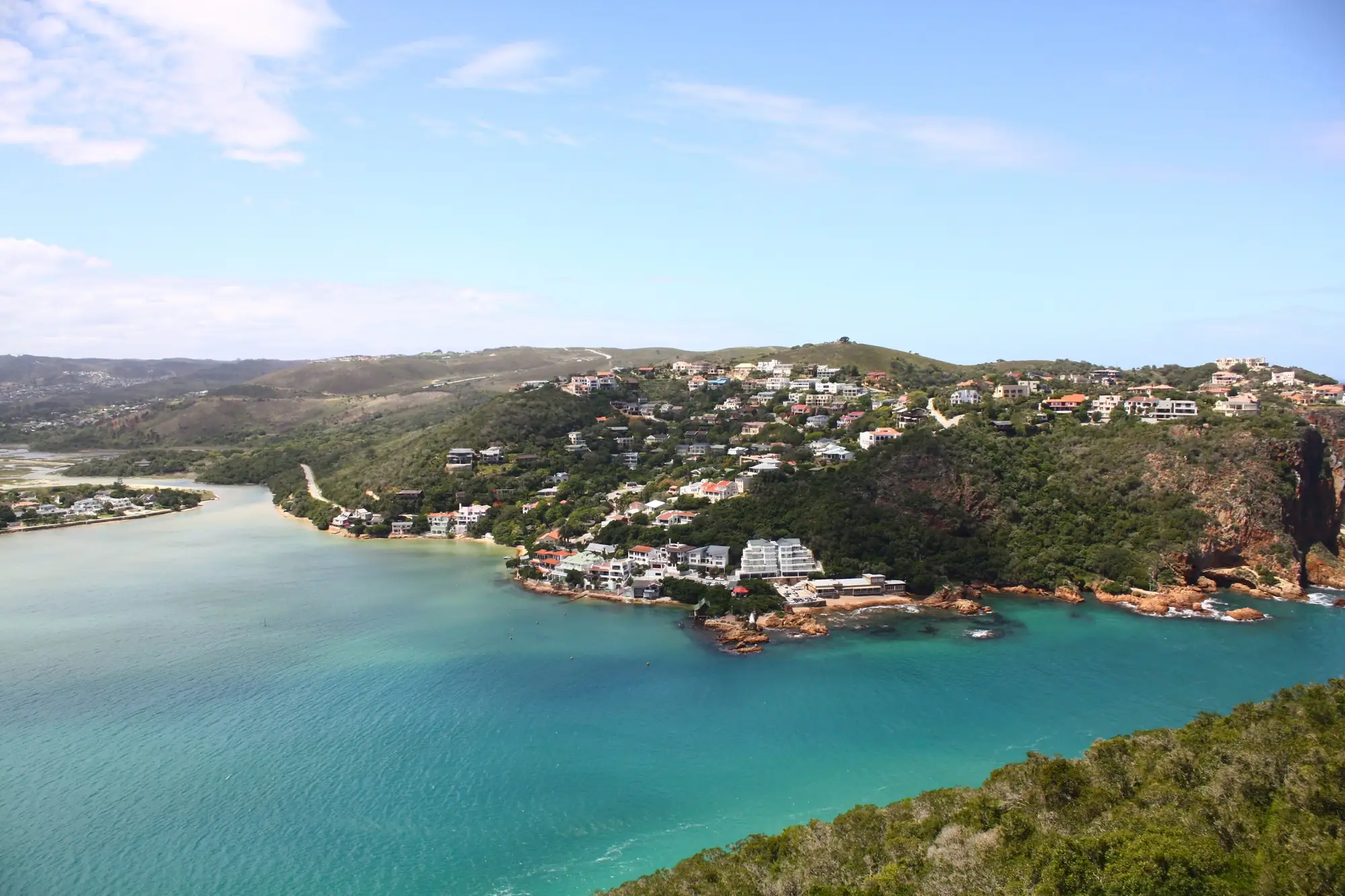
Brenton-on-Sea looks down on a long, wild beach, with fynbos all around. Since the fires, many homes here are new, and new homes have their own pest questions.
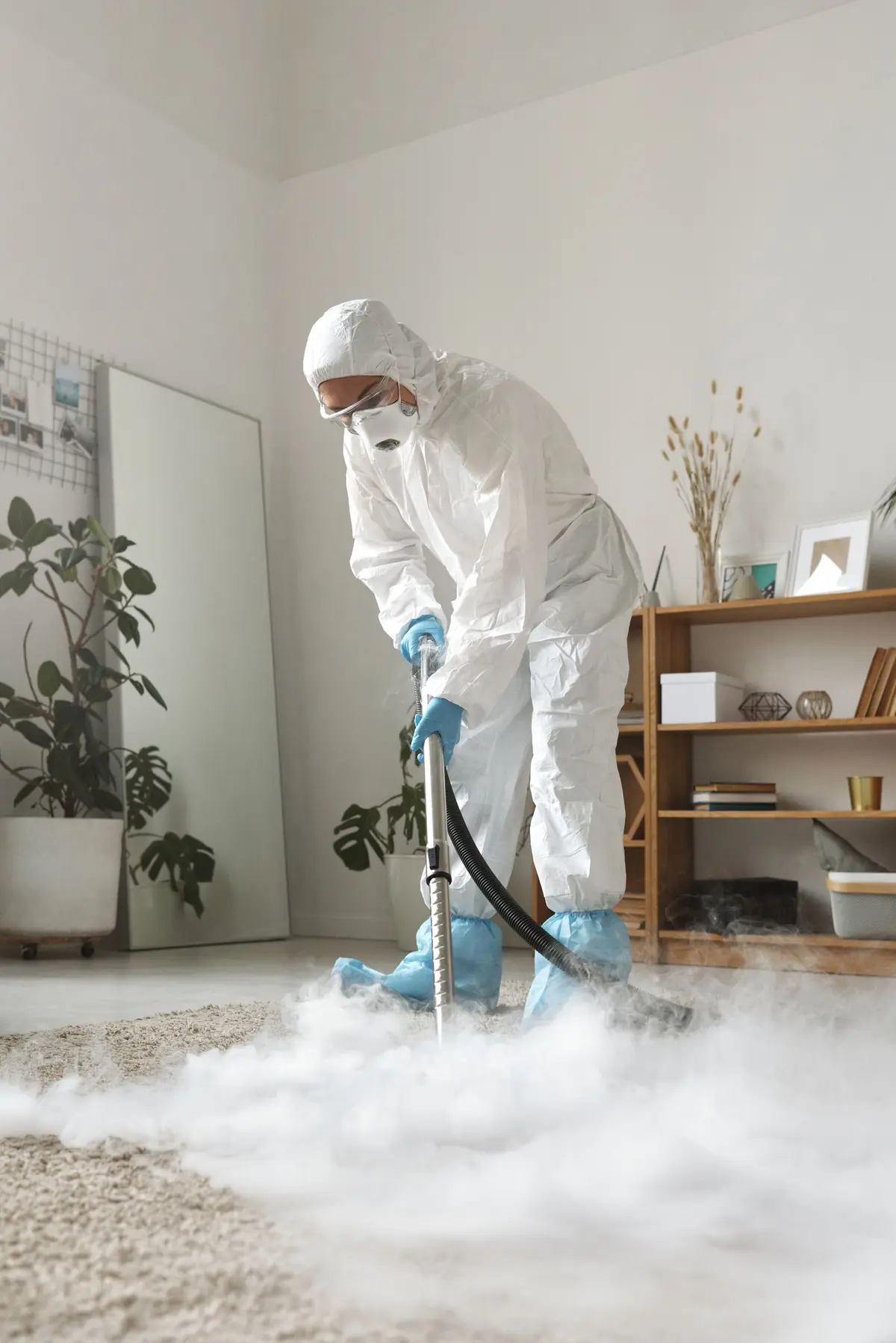
Three things matter most for pest control in Brenton-on-Sea: termite protection for houses being built or rebuilt, rodents and insects moving in from the fynbos around the village, and getting holiday homes ready before the family arrives. We do soil poisoning with a certificate for your builder, general treatments that children and pets can be around once they've dried, and pre-season visits you don't need to be present for. Our 3-month guarantee applies.
A village that's been rebuilt
Brenton-on-Sea sits on the hills above the coast west of the Knysna Heads. In 2017, the Knysna fires swept through the village and many homes were lost. A lot of the houses you see now are new, rebuilt or still being built, and building activity continues.
That matters for one pest in particular: subterranean termites. They live in the soil, come up through tiny cracks and gaps in a slab and feed on door frames, skirtings and built-in cupboards, out of sight. The time to protect a house is before the slab is cast, when the trenches and the ground under the future floor are still open and can be treated. That's soil poisoning, and we work with your builder's schedule and leave you with a certificate. If you're rebuilding, ask about it before the concrete arrives.
The fynbos next door
Brenton is surrounded by fynbos and coastal bush, which has grown back strongly. Mice, rats, spiders, millipedes and insects live there, and when the weather changes, some of them move into houses. Mice come in through gaps under doors and around new service connections that haven't been sealed. Millipedes pour in after heavy rain. Brown button spiders settle under deck furniture and around the braai. A barrier treatment around the house and decks, and closing the gaps, keeps most of it outside. See millipedes and button spiders.
Holiday homes
Plenty of Brenton homes are second homes. Empty months give rodents time to settle in the roof, fleas time to wait in the carpets and wasps time to build nests under every eave. Book us a few weeks ahead of your arrival and it's dealt with. A neighbour or the rental agent can let us in; we treat whatever is there and email you a summary afterwards. More on that under holiday home pest control.
Wasps and decks
Big decks, pergolas and wide eaves facing the sea are favourite spots for paper wasps. By late summer, nests above the outdoor table are a real hazard for children and guests. Removing them in spring, while they're small, is easy. See wasp nest removal.
Timber in new houses
Many of the rebuilt houses use timber for decks, cladding, ceilings and roofs. Treated structural timber resists wood borer, but untreated decorative timber, reclaimed beams and second-hand furniture can bring beetles in. If you're using reclaimed wood, have it checked first. Our wood borer beetles profile shows what to look for.
Ticks, fleas and beach walks
Brenton's long beach and fynbos paths are a favourite with dog walkers, and dogs come home with ticks from the bush along the dunes. Check ears, toes and collars after every walk and use your vet's tick product. If ticks or fleas are building up in the house or kennel, the dog, the kennel and the places it sleeps must all be done within a few days of each other, as flea and tick control describes.
Wind, salt and closed-up houses
Houses on the hills above the sea take the full force of the weather. Sea air finds its way into cupboards, and closed rooms stay damp for weeks after a storm. That's ideal for fishmoths in linen and books, and for mould that booklice feed on. Leaving cupboard doors open when the house is empty, using moisture absorbers, and a treatment of cracks and cupboards keeps them down.
How we work
We start with an inspection of the house, the deck, the roof space and the outside walls, because finding where pests come from is what makes a treatment last. Each pest then gets the method that suits it, and tell you what to change, like sealing a gap around a new pipe or moving firewood off the deck.
Building sites and new services
While a house is going up, open trenches, stacked timber, rubble and builders' food waste attract rodents and insects to the site. Once the house is finished, gaps around new pipes, cables and air-conditioning lines are a common way in. Before you move in, walk around the outside and seal every new hole that goes through a wall.
What it costs
For soil poisoning, what you pay follows the footprint of the building and the number of visits the build needs. For general pest control, it's about house size, the particular pests and how long they've had to settle in. Holiday home visits depend on what we find. We'll give you a price up front.
We also work in Knysna, Belvidere and Buffalo Bay. Brenton homeowners can phone 044 012 5011, or book online.
Frequently asked questions
We're rebuilding in Brenton. Do we need soil poisoning?
We'd strongly advise it. Treating the soil before the slab is poured gives the new house termite protection from day one, which is much harder to achieve later.
Will you give us a certificate for the soil treatment?
Yes. You'll get a certificate after treatment, which your builder, bank or municipality may want to see.
Why do millipedes pour into the house after rain?
Wet ground in the fynbos and garden pushes them up and out, and the house is in the way. A barrier treatment and a clear strip along the walls help.
Could reclaimed timber bring borer into our new house?
It can. Reclaimed beams, untreated decorative wood and old furniture sometimes carry live beetles, so have them checked before they go in.
Wasps build on our deck every year. Can you help?
Yes. Under the deck, along the railings and in the corners of a pergola are the usual spots. Taking nests down in spring, while they're small, saves a lot of stings.
Can you treat the house while we're in Johannesburg?
Yes. A neighbour, caretaker or agent lets us in, and we send you a short report afterwards.