

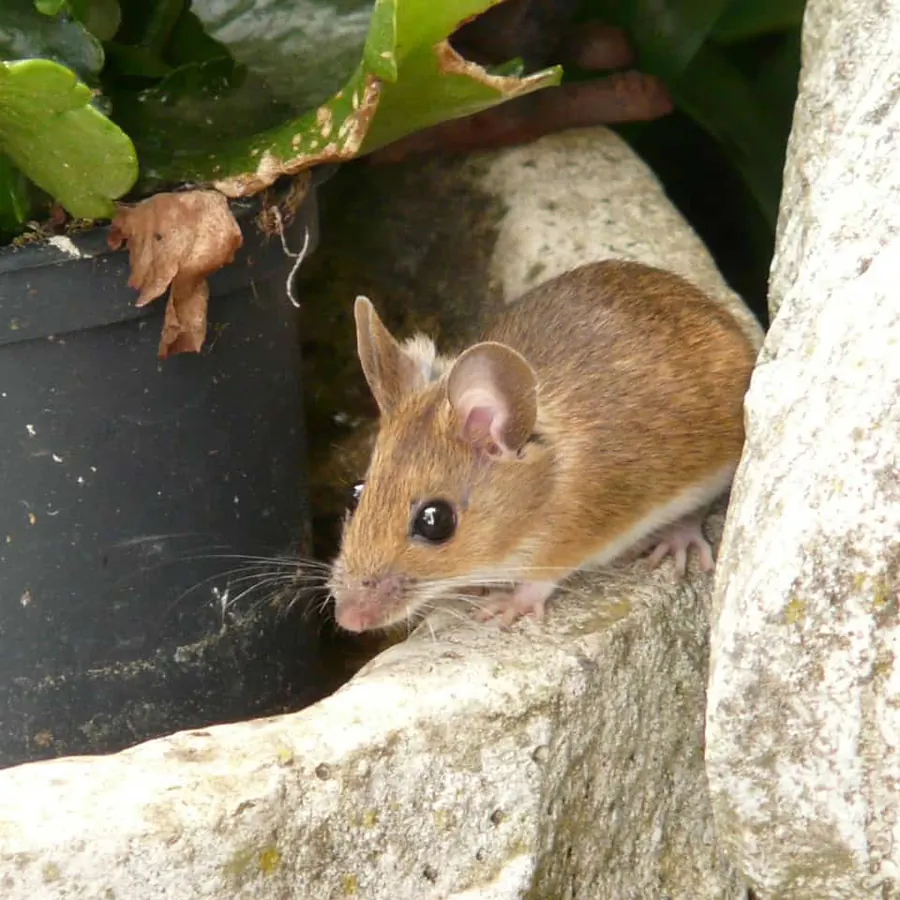
If you've found signs of rats or mice in your Outeniqua Strand home, the sooner you act, the less damage there is to clean up. The lasting fix is finding the gap they're using, removing the rodents that have already moved in and closing the house up properly, then keeping an eye on it during the weeks it stands empty.
Here's the scene we hear about most often. The house has been locked up for a few weeks. You open the door, unpack the car and notice small droppings on the counter, a chewed corner on a box of matches or a nibbled bar of soap in the bathroom. That night, there's a faint scratching overhead. The rodents have been living there quietly the whole time you were away.
Why beachfront holiday homes get rodents
Outeniqua Strand is a small coastal holiday area between Groot Brak River and Glentana, with beachfront homes backed by coastal bush. That bush is good cover for rodents, and an empty house next to it offers everything they're after: shelter from the wind and rain, a warm roof space and, often, a bit of forgotten food.
The coast is also hard on buildings. Salt air and wind wear away at seals, vent covers, mesh and woodwork faster than they would inland. A vent mesh that has rusted through or a door seal that has perished is often the way in. And when the house is full, braais, fish cleaning and bins on the stoep bring in rodents looking for scraps.
What to look for
- Small, dark droppings in drawers, on counters or behind the stove
- Chewed food packets, candles, soap or the corners of boxes
- Shredded paper, fabric or insulation gathered into a nest
- A musty smell when you first open the house
- Scratching in the ceiling or walls, mostly at night
- Greasy smudge marks along walls or beams where rodents run regularly
Our approach for homes that aren't lived in full time
Inspection. We check the roof space, eaves, garage, outside storerooms and the kitchen, and walk the outside of the house to find where rodents are getting in. On a beachfront house we pay particular attention to vents, gaps around pipes and cables, and the bottom of garage and outside doors.
Treatment. We use lockable, tamper-resistant bait stations along the routes rodents use, and traps where bait isn't the right choice. Tracking powder can go into roof voids and wall cavities where people don't go.
Proofing advice. We show you the exact gaps and what to do about each one. Stainless or galvanised mesh lasts longer in salt air than standard mesh, and door brush strips are worth checking every season.
Check-ups and sanitising. Because the house is often empty, scheduled check-ups matter. We come back to see how much bait has been taken and whether activity has stopped, and once it has we can sanitise the affected areas.
A local tip: check the house after winter storms
Strong winter weather on this stretch of coast can lift a roof sheet, crack a vent cover or blow sand and debris into gaps. If you've been away over a stormy patch, walk around the outside of the house when you arrive and look up at the eaves and roofline. A small new gap found early saves you a rodent problem later.
Where most people go wrong
Leaving the braai grid uncleaned, fish scraps in the outside bin or a bag of dog food in the garage at the end of a visit. It's an easy mistake when everyone is packing up to go home, but it's an open invitation to every rodent in the dunes. Clean up, take the rubbish with you or put it in a sealed bin, and leave nothing edible behind.
How much will it cost?
That depends on the size of the house, how many rodents are involved, how many gaps need closing and how many check-ups you want while the house stands empty. One or two mice in a kitchen is a small job, and honestly, a couple of well-placed snap traps can be enough. Rats in a roof space, or a house that's empty for long stretches and needs regular checks, takes more stations and more visits. We'll explain the plan and what's included before we start.
For other pests at the coast, see pest control in Outeniqua Strand. If you're nearby, we also cover rodent control in Groot Brak River, and our main rodent page is rodent control in George.
Give us a call on 044 012 5011. We're SAPCA registered, rodent treatments carry a 3-month guarantee, and we've been working along the Garden Route coast for more than 25 years.
Questions we get asked
How do mice get into a house that's locked up?
Through surprisingly small gaps, often around pipes and cables, under garage doors or through damaged vent covers. A young mouse can fit through a gap about the width of a pencil.
Can you check the bait stations while I'm not at the coast?
Yes, as long as someone can give us access or the stations are placed where we can reach them outside. We'll let you know what we find.
Do salt air and wind really make a difference?
Yes. Coastal weather wears out mesh, seals and woodwork faster, and those worn spots become entry points. Corrosion-resistant mesh lasts longer.
Is it rats or mice in my beach house?
Size of droppings is the quickest clue. Mouse droppings are about the size of a rice grain, while rat droppings are much larger. Rats also make heavier noises in the roof.
Should I put poison down before I leave?
Not loose poison. Rodents may die in the walls or roof and leave a smell for weeks, and loose bait is a risk to pets and wildlife. Lockable stations are safer.