

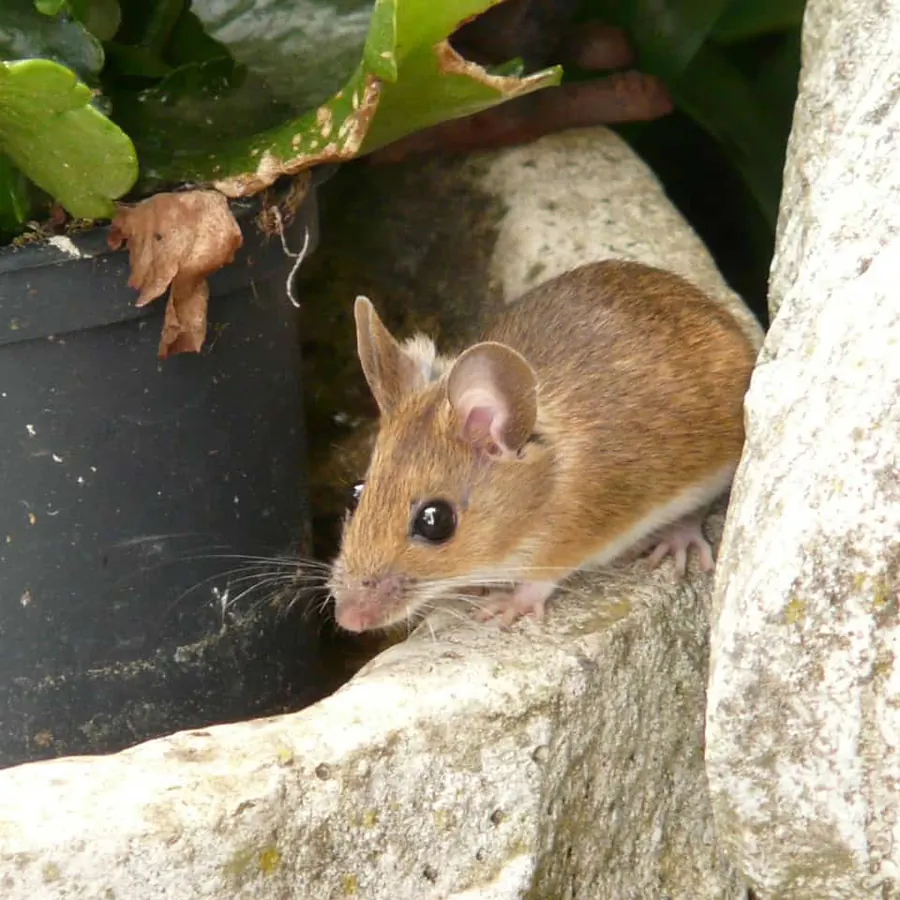
If you're hearing scratching above the ceiling at Bothastrand, or finding droppings along the back of the kitchen counter, you've got rats or mice. Getting rid of them takes three things: removing the ones already inside, finding the gap they're using, and closing it so the next ones can't follow. Skip the last step and you'll be doing this again next winter.
Living between the bush and the beach
Bothastrand homes sit close to coastal bush, and that bush is a natural home for mice and rats. For most of the year they live out there quietly. When it turns cold and wet, or food in the bush runs low, they move towards buildings, and a seaside house with a warm roof, a dog bowl on the stoep and a compost heap is an easy choice.
Coastal homes also take a beating from salt air and wind. Vent covers rust through, roof sheets lift slightly at the edges and fascia boards open up. Those small gaps are exactly what a rodent is looking for.
Signs to take seriously
- Scratching or scurrying in the roof, mostly at night.
- Droppings in cupboards, behind appliances, in the garage or along skirting boards.
- Chewed food packets, soap, plastic or wiring.
- Greasy smudge marks along walls or beams where they run regularly.
- A dog or cat suddenly fixated on one spot in the wall or ceiling.
- A musty, ammonia smell in a cupboard or roof space.
Don't wait to see how it goes. Rodents chew electrical wiring in roof spaces, which is a genuine fire risk, and they foul food and work surfaces as they move about. Mice breed fast, too, so a few in autumn can easily be a colony by spring. If your house stands empty for stretches, they also get weeks of peace to settle in before anyone notices.
How we go about it
We start in the roof and work down
The inspection covers the roof space, eaves, garage, kitchen and the outside of the house, including where the garden meets the bush. We're looking for nests, runs, droppings and above all the entry points.
The right control for your house
Depending on where the activity is and who lives there, we use lockable bait stations, traps, tracking powder or a mix. Bait stations are tamper-resistant, so pets and children can't get to the bait. Where there's any doubt, we use traps.
Proofing
We show you every gap we've found and what will close it: mesh over a rusted vent, sealing around a pipe, trimming vegetation that touches the roof. Some of it is a weekend job for you. Some of it needs a builder or roofer, and we'll say so.
Follow-up and sanitising
We come back to check stations and traps. Once activity has stopped, we can sanitise the affected areas, because droppings and urine carry diseases such as leptospirosis and salmonella.
A Bothastrand-specific tip
Walk around the house after a winter storm and look up. Salt-corroded vent mesh, a lifted ridge cap or a gap where wind has pulled flashing loose is often how rodents first get in. Replace rusted mesh with a corrosion-resistant type rather than plain steel, and cut back bush and creepers so there's a clear strip between the plants and your walls. Rodents don't like crossing open ground.
What most people get wrong
Sealing the hole while the rats are still inside. It feels like the obvious first move, but a trapped rat will chew a new way out, often through a ceiling board or into a cupboard. Deal with the rodents first, confirm they're gone, then seal. The order matters.
How much will it cost?
That depends on the size of the house, how established the rodents are and how much proofing is involved. A mouse or two in the kitchen is a small job. Rats nesting in the roof of a larger home, with several entry points to close and a couple of follow-up visits, is a bigger one. We give you a free quote once we've seen the property.
If it really is one mouse, a couple of snap traps set along the wall where you've seen droppings may well be enough, and we'd rather tell you that than sell you a programme. Regular noise in the roof is a different matter.
For other pests at home, see pest control in Bothastrand, or read more about rodent control in George.
We're SAPCA registered, with more than 25 years in the Garden Route, and our rodent treatments come with a 3-month guarantee. Call 044 012 5011 when you're ready.
Questions we get asked
Why do rodents come in mostly in winter?
Cold, wet weather and less food in the bush push them towards buildings. A dry roof space with a nearby food source is exactly what they're after.
Can I put rat poison in the roof myself?
You can, but it often goes wrong. Loose poison can be dragged where pets find it, and a rat that dies in a wall cavity leaves a smell you can't get rid of for weeks.
Do you use bait stations if I have a dog?
Yes, lockable stations that a dog can't open. If a station can't be placed safely, we use traps instead.
Will you fix the holes for me?
We show you exactly where they are and how to close them. Small gaps are often a simple DIY job; roof and structural repairs are best done by a builder or roofer.
Is it a rat or a mouse?
Size of the droppings is the quickest clue: rice-grain size points to mice, while larger, raisin-sized droppings mean rats.