
Most rodent problems we see in Groot Brak River come down to two things: an established house with small gaps that have opened up over the years, and plenty of food and cover close by, from the river banks to fruit trees and compost heaps. Clear out the rodents already inside, close the gaps in the right order and cut back the cover, and the problem generally stays solved.
Older houses, old gaps
A lot of Groot Brak River is made up of family homes that have been lived in for decades, and that's no criticism of them. Houses settle, things get added and nobody goes back to check the holes. The usual culprits are the join where the roof meets the wall, a broken air brick or vent cover, the gap left when a geyser pipe or cable was put in, a garage door that no longer meets the floor, and old outbuildings, workshops and Wendy houses that were never built tight in the first place.
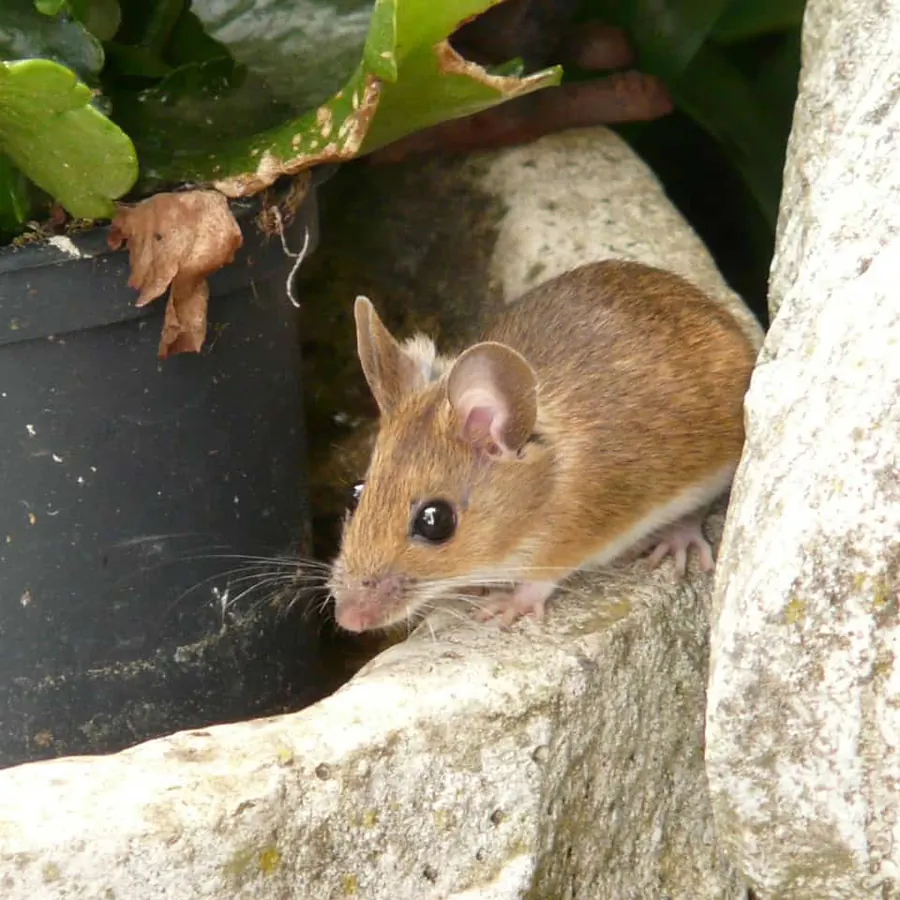
None of these looks like much. A mouse can get through a gap you'd struggle to fit your finger into, and a young rat not much bigger.
Close to the river
The river and estuary that make Groot Brak such a pleasant place to live also give brown rats what they like: water, soft banks to burrow into and dense vegetation to move through. Gardens on the lower ground, nearer the water, tend to see more burrowing rats around sheds, decks and compost. Higher up, with bigger trees and more fruit, roof rats are more common, climbing in along branches and gutters.
What to look and listen for
- Running or thumping in the ceiling shortly after dark, and again just before dawn
- Burrow holes along the base of garden walls, under the compost heap or beneath a slab
- Half-eaten fruit still hanging on the tree, or hollowed-out citrus and avocados
- Your dog suddenly fixated on one cupboard or a section of wall
- Droppings in the geyser cupboard, the garage or behind the stove
- Chewed plastic on irrigation pipes, bins or bags in the shed
How we sort it out
The first visit
We inspect the roof space, eaves, garage, outbuildings and garden to find the nests, runs and entry points. Then we set up the treatment: lockable bait stations, traps, tracking powder in voids, or a mix, depending on where the rodents are and who lives in the house.
The weeks after
We come back to check what's being taken and where, move or top up stations, and keep going until the activity stops. Rats in particular can be slow to trust a new station, so patience is part of the job.
Once it's quiet
We walk you through the proofing: which gaps to seal, which branches to trim, what to mesh over. Then we can sanitise the areas where the rodents nested and fed.
Pets, children and bait
Groot Brak River is a family town, and most of the houses we work in have dogs, cats or small children. Our bait stations are lockable and tamper-resistant, placed where they're hard to reach, and where there's any real risk we use traps instead. Tracking powder only goes into closed-off spaces like wall and roof voids.
Where people go wrong
They find the hole and seal it straight away, while the rats are still inside. A trapped rat will chew a new way out, often through something more expensive, or die in the ceiling. The right order is to reduce the population first, confirm it's quiet, and only then close the entry points for good.
Making your property less appealing
Keep woodpiles, old building materials and garden junk off the ground and away from the house walls, because a heap of offcuts behind the garage is a ready-made rat nest. Pick up fallen fruit. Use a closed compost bin rather than an open heap. If your garden runs down towards the river, keep that lower strip clear of rubble and long grass so there's less cover between the bank and the house.
How much will it cost?
The price depends on the size of the property, how many buildings are involved, how established the rodents are, how much proofing is needed and how many follow-up checks it takes. A mouse or two in the kitchen is a small job, and honestly, a couple of traps may handle it. Rats living in the roof and burrowing under the outbuildings take a full programme. We'll quote once we've had a look.
We also work in nearby Klein Brak River, and for other pests at home see pest control in Groot Brak River. Our George rodent control page has more on how we work across the region.
We're SAPCA registered, have worked in the Garden Route for more than 25 years and give a 3-month guarantee on rodent treatments. Call 044 012 5011 and tell us what you're hearing or finding.
Questions we get asked
Do rats really burrow in the garden?
Yes, brown rats dig burrows in soft soil, usually along walls, under sheds and slabs, or beneath compost. A fresh hole with a smooth entrance and loose soil around it is a good sign it's in use.
Why do I hear them more in winter?
Cooler nights push rodents indoors looking for warmth and shelter, and the roof space is the warmest, quietest part of most houses. They're often there all year, just easier to hear when the house is quiet and closed up.
Won't my cat sort it out?
A cat may catch the odd mouse, but it won't clear an established colony and rarely tackles a full-grown rat. It can also keep the visible ones out of sight while the rest carry on breeding.
Do I need a builder for the proofing?
Not always. Mesh over vents, door seals and trimming branches are often DIY jobs. Roof repairs, broken air bricks and gaps high up on the walls are usually better left to a builder or roofer.
How will we know they're gone?
The bait stops being taken, no fresh droppings appear and the noises stop. We check for all three before we call the job finished.