
Who notices the rats first in Glentana? Often nobody, for weeks. A holiday home is locked up between visits, or a retired couple hears something in the ceiling and puts it down to the wind. By the time there are droppings on the kitchen counter, the rodents have usually been in the roof for a while. The good news is that it's a very fixable problem: remove the ones inside, close the way in, and keep a light check on the house when it's empty.
Why Glentana homes attract rodents
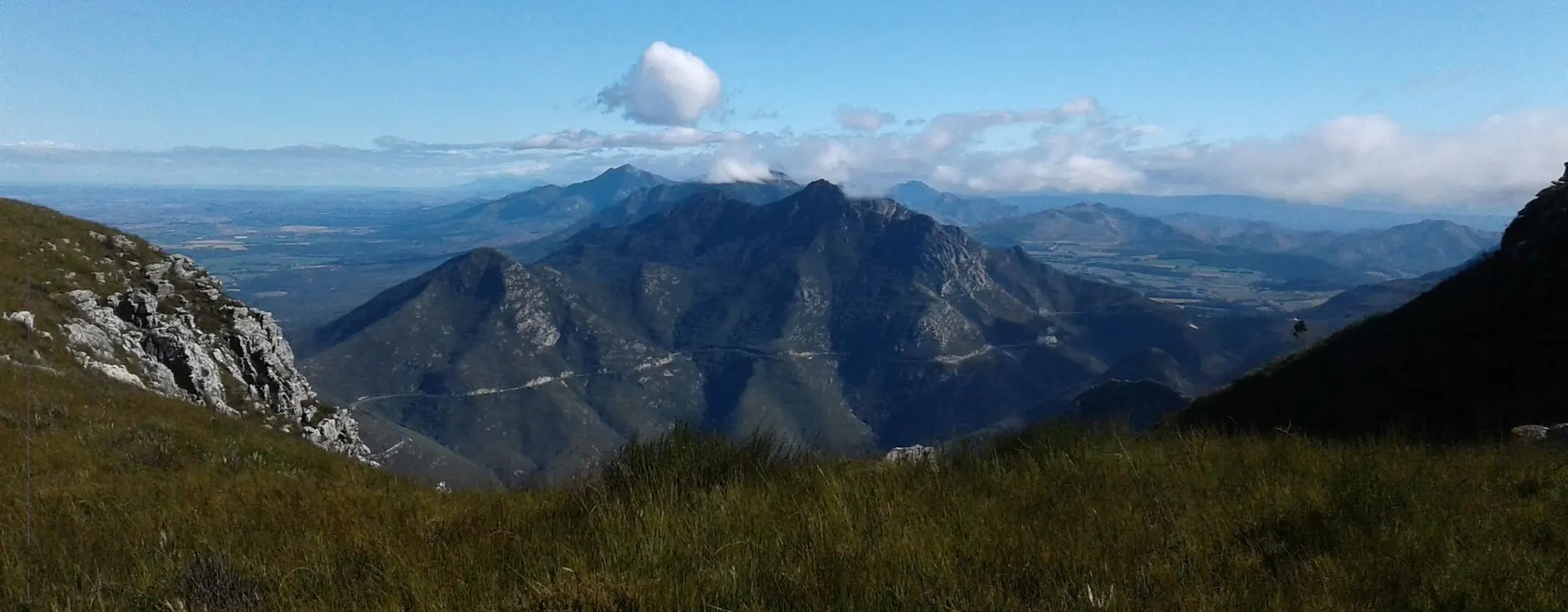
Glentana is a small village on the cliffs between Groot Brak and Herolds Bay. Many homes are holiday houses or retirement homes, a lot of them with sea views and gardens that run into dense coastal bush. That bush gives rats and mice cover right up to the walls, and a house that's quiet for long stretches is exactly what they look for. No people, no dogs, no movement, and a dry roof space with insulation to nest in.
Sea-facing homes have another weak point. Salt air is hard on anything metal, and over time it corrodes vent covers, mesh screens, flashing and the fixings around roof sheeting. A gap that was sealed when the house was built can quietly open up after a few years of coastal weather.
Signs to check when you open the house
If you've been away, walk through the house with these in mind before you unpack:
- Droppings on counters, in the pantry, in drawers or on top of the geyser
- Chewed packets, candles, soap or the corners of cushions
- Shredded paper, fabric or insulation gathered into a nest, often in a cupboard that hasn't been opened
- A sharp, ammonia-like smell in a closed room
- Scratching in the ceiling in the evening, once the house is quiet
If you live in Glentana full time, the clues are similar, but you'll usually hear them in the roof before you see anything.
Our approach for Glentana properties
- A full inspection. We go through the roof space, the eaves, the garage, under the deck if there is one, the kitchen and the garden edge where the bush meets the property. We're finding where they nest and, more importantly, where they get in.
- A control programme. We set lockable, tamper-resistant bait stations along the runs, and use traps or tracking powder where those suit the building better. If grandchildren or pets visit, we plan the placement around that.
- Proofing advice. We'll show you every gap: corroded vent mesh, gaps at the roof line, pipe entries and gaps under doors. Some of it you can fix yourself; some is a job for a handyman or builder.
- Follow-up and clean-up. We come back to check the stations and confirm activity has stopped. Then we can sanitise the areas where rodents have been, since their droppings and urine carry disease.
For holiday homes: don't wait until December
If your Glentana house stands empty for much of the year, the best approach is to have bait stations in place and checked between visits rather than reacting each time you arrive. It means you don't open the house to chewed linen or a smell in the ceiling, and any new activity is caught early. If you rent the house out, it also saves an awkward conversation with guests.
Prevention, the coastal way
- Before you lock up, clear the pantry of anything rodents can open: cereal, rice, pet food, bird seed. Store what's left in glass or tins.
- Don't leave rubbish in the bin while the house is empty.
- Cut back branches and bush that touch the roof or gutters. They're a bridge straight onto the roof.
- When you replace vent covers or mesh, use a corrosion-resistant material such as stainless steel, rather than mild steel that the salt air will eat through.
That last point is the Glentana-specific one. Most homeowners check their mesh once, when they move in. On the cliffs, it's worth looking at it every year or two.
The common mistake
Throwing a box of poison into the ceiling before leaving for a few months. It feels like a sensible precaution, but it's one of the worst things you can do in an empty house. Rodents eat it, die in the roof or a wall cavity, and nobody is there to deal with it. You come back to a smell you can't reach, flies, and sometimes a stain on the ceiling. Bait belongs in locked stations that can be checked.
How much will it cost?
It depends on the size of the house, how established the rodents are, how many stations are needed, how much proofing advice the job needs and whether you want regular checks while the house is empty. A couple of mice in a full-time home is a small job. Rats that have been breeding in the roof of an empty holiday house all winter take longer and need a follow-up. We'll give you a free quote after the inspection.
An honest note: if you live there full time and you've seen one mouse in the kitchen, a few snap traps baited with peanut butter may be all it takes, as long as you also find and close the gap it used.
See our pest control in Glentana page for other pests, or read about rodent control in George for more on how we work.
When you're ready, call us on 044 012 5011. We're SAPCA registered, we've been working along this coast for more than 25 years, and our rodent treatments carry a 3-month guarantee.
Questions we get asked
Can you check my house while I'm away?
Yes. If the house stands empty between visits, we can service the bait stations on a schedule. Just arrange access with us beforehand.
What's the difference between roof rats and brown rats?
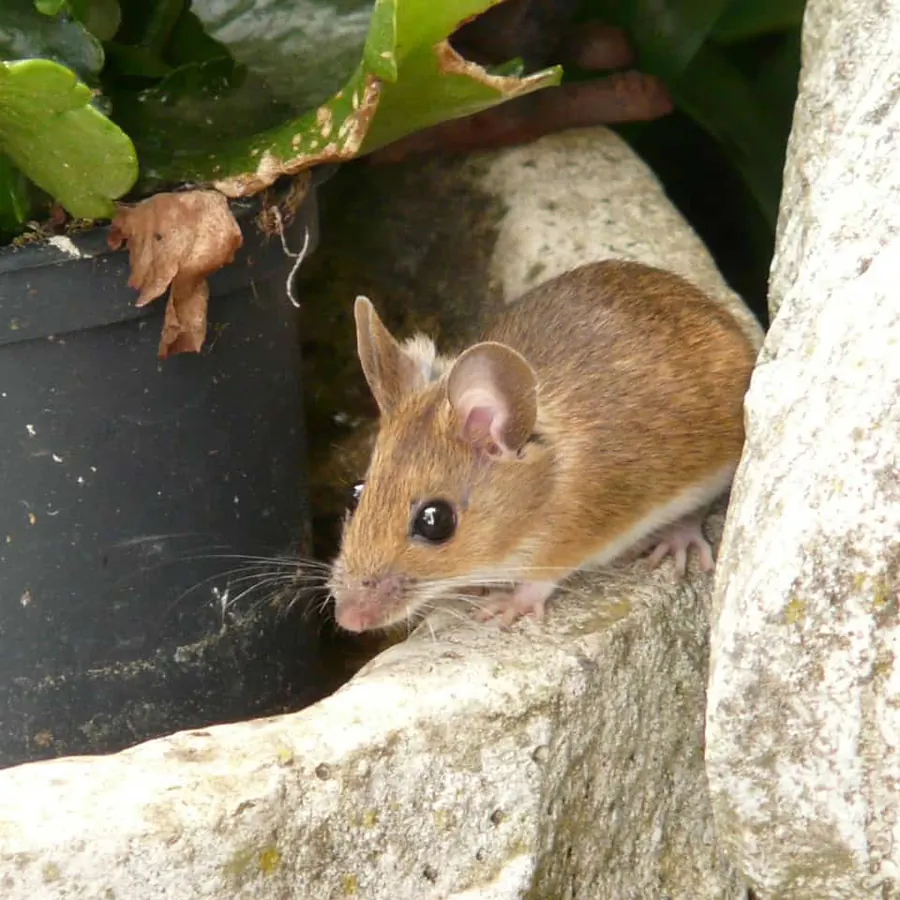
Roof rats are slimmer, climb well and nest high up in ceilings and trees. Brown rats are heavier, burrow and tend to stay at ground level around drains, gardens and outbuildings. The treatment and proofing differ slightly for each.
Is rodent bait dangerous to the wildlife around Glentana?
Loose bait can be, which is why we keep it inside locked stations placed along rodent runs. That way other animals can't get at it, and we can see how much is being taken.
Do rats damage roof insulation?
Yes. They tunnel through it, flatten it and soil it with droppings and urine, which reduces how well it works. Badly contaminated insulation sometimes needs replacing.
How long before the noise in the roof stops?
Usually within a week or two of the stations going in, though bigger infestations take longer. We confirm it's finished on our follow-up visit.