

For a home or farm in Dysseldorp, good pest control starts with accepting that the Klein Karoo doesn't behave like the coast. The pests are different, the seasons hit harder, and a lot of the trouble begins in the outbuildings rather than the house. We inspect the whole property, treat where the pests are actually living, and give you practical advice for keeping them out through the long, hot summer.
How the Karoo changes the picture
Dysseldorp lies east of Oudtshoorn in dry farming country. Summers are hot and dry, winters can be cold, and rain is scarce. That has a few knock-on effects. Insects that need moisture head for the places they can find it, which is often your kitchen, bathroom or a dripping tap outside. Scorpions and spiders shelter under stones, wood piles and anything left lying on the ground, then wander indoors at night. And wherever there's livestock, feed or grain, you'll find the flies, rodents and stored product insects that follow them.
What we're called out for
Around the house
- Scorpions coming in under doors or hiding in shoes and folded washing.
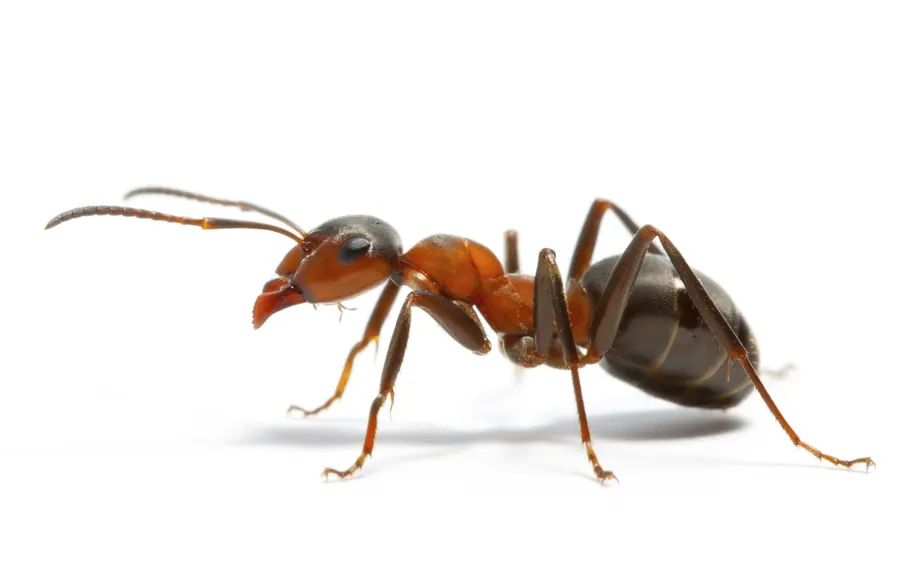
- Ants trailing indoors when the heat dries out the ground.
- Cockroaches in kitchens, drains and warm corners.
- Spiders in garages, storerooms and window frames.
Around the farm
- Rats and mice in feed rooms, sheds and anywhere grain gets spilled.
- Weevils, beetles and moths in stored grain, seed and animal feed.
- Flies breeding around animal pens, manure and waste.
- Harvester termites in lawns and veld, a familiar sight in the Klein Karoo.
How a visit works
First, we walk the property with you. On a farm or smallholding that includes the sheds, stores and pens, not just the house. We're looking for where the pests shelter, what they're feeding on and how they're getting in.
Then we treat to match. Odourless, non-staining residual sprays form a barrier inside and around the outside of buildings against crawling insects, including scorpions moving in after dark. Gel baits go into kitchens for cockroaches, and ant baits are carried back to the nest. For rodents we place tamper-resistant bait stations and traps, or use tracking powder where it suits, and advise you on proofing. Where grain or feed is infested inside the bag or bin, we can arrange fumigation, which is a different job altogether: the sealed store has to be vacated until we've cleared it.
For a normal treatment in the house, you don't need to unpack anything or leave. Once the spray has dried, it's safe for children and pets.
A local tip: clear the ground around the house
Scorpions that end up indoors have usually been living close to the walls. Move wood piles, bricks, old pipes and stacked building materials well away from the house, keep the base of the walls clear of rubble and dense plants, and fix or fit a seal at the bottom of outside doors. Shake out boots and shoes that have been left outside overnight. A barrier treatment works far better when scorpions don't have a hiding place right next to the door. If you keep chickens or feed animals near the house, store the feed in a sealed bin, because spilled grain draws rodents right up to the back door.
Where most people go wrong
Treating the house and ignoring the shed. If rodents are living well in a feed room across the yard, baiting the kitchen will only ever catch the overflow. Flies are the same: spraying the stoep does nothing while they're breeding in manure next to the kraal. Dealing with the source is less satisfying than spraying, but it's what makes the difference.
How much will it cost?
The price depends on the size of the property, how many buildings need treating and how established the problem is. A house with ants or cockroaches is a quick job. A farmyard with rodents in several sheds needs more stations, some proofing advice and follow-up visits. Feed stores and other businesses often do best on a regular contract. Travel from George also plays a part, so it makes sense to deal with everything in one visit. We'll give you a free quote. If it's a handful of ants in the kitchen, sealing the sugar and wiping the trail away may be all you need, and we'll tell you that.
We're SAPCA registered, we've worked in the Garden Route and Klein Karoo for more than 25 years, and our treatments carry a 3-month guarantee. For more on the area, see our Oudtshoorn pest control page, or read up on rodent control in Dysseldorp.
Give us a ring on 044 012 5011 and tell us what's going on. We'll plan the visit around what you need.
Questions we get asked
Can you treat for scorpions?
Yes. We apply a residual barrier around the outside of the house and at entry points inside, and advise you on clearing the hiding places near your walls so fewer scorpions get close.
Do you come out as far as Dysseldorp?
Yes. We cover Dysseldorp along with Oudtshoorn and the surrounding Klein Karoo from our office in George.
Is a treatment safe around livestock and working dogs?
We plan it around the animals on the property, using lockable bait stations for rodents and keeping sprays away from feed and water. Tell us what animals you keep when you book.
What can be done about harvester termites in the lawn?
Harvester termites are dealt with by targeted insect control, not fumigation. We look at where they're active and treat those areas.
Do I need to leave the house during treatment?
No, not for a normal treatment. Keep children and pets off sprayed areas until they're dry. Only gas fumigation of a store or room needs that space vacated.