

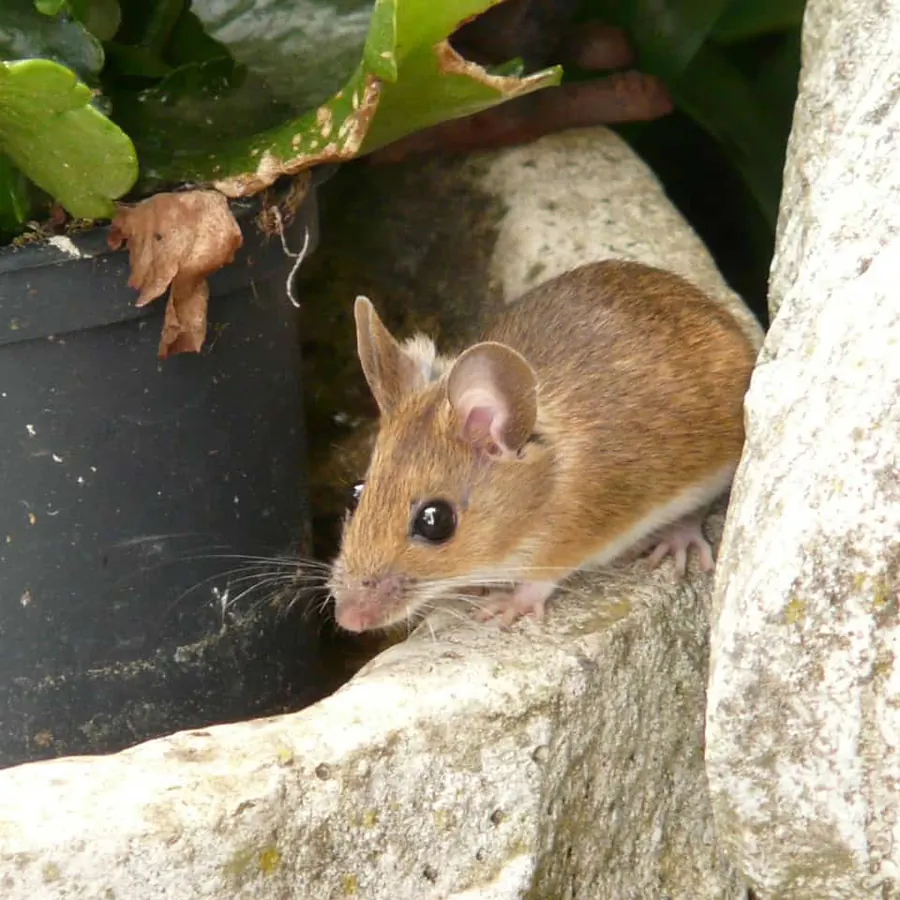
That scratching above the bedroom at night is almost always rats or mice, and it won't stop on its own. In Reebok we deal with it the same way every time: find out where they're getting in, remove the ones inside with bait stations or traps, then help you close up the house so it doesn't happen again.
Why it often starts next door
Reebok is a small coastal village with a mix of holiday homes and people who live here permanently. That mix matters. A holiday house that's quiet for weeks, with a garage full of boxes and nobody walking through, is perfect for a rodent nest. When the colony grows, some move on to the next roof along, which may be yours, where there's a kitchen in daily use and a warm geyser cupboard.
Then there's the seaside lifestyle. Fishing bait in the garage freezer that didn't quite close, fish cleaned at the outside tap, braai scraps, bird feeders and compost all give rodents a reason to stay. None of these are a problem on their own; together, they add up.
Signs you have rodents
- Noises in the ceiling, usually after dark and before dawn.
- Droppings in drawers, on top of the geyser, in the garage or along walls.
- Gnawed corners on cupboard doors, skirting, plastic containers or cables.
- Shredded paper, fabric or insulation collected into a nest.
- Pet food disappearing faster than the pets can eat it.
Rats and mice contaminate whatever they walk over and carry diseases such as leptospirosis and salmonella. They also chew wiring, which is a fire risk in a roof space. It's worth acting on the first signs rather than the tenth.
What a rodent job involves
The inspection is where most of the value is. We check the roof space, eaves, garage, kitchen, outbuildings and the garden boundary, looking for droppings, runs, nests and every gap a rodent could use. A mouse can get through a hole about the width of a pencil.
The treatment is chosen to suit your house. In roofs and garages we normally place lockable, tamper-resistant bait stations. Where pets or children make that unwise, or where we don't want a rodent dying in a wall cavity, we use traps. Tracking powder is useful in some voids and runs.
The follow-up matters as much as the first visit. We come back to check stations and traps, top up where needed and confirm activity has stopped.
The clean-up comes at the end. Droppings and urine are a health risk, so we can sanitise the affected areas once the rodents are gone.
Bait stations or traps?
Bait stations are better for a bigger or more spread-out problem, especially in a roof, because they keep working between visits. Traps are better in kitchens, in homes with curious pets, and when you want to know for certain that a rodent has been caught. Most jobs use a combination, and we'll explain why each one is where it is.
Keeping them out: a Reebok checklist
- Keep fishing bait in a sealed container, and check the garage freezer lid shuts properly.
- Rinse the fish-cleaning area and bin the scraps in a closed bin straight away.
- Store pet food and birdseed in lidded containers, not open bags.
- Fit mesh over vents and seal gaps around pipes and cables where they enter the house.
- If your neighbour's house is a holiday home, mention it to them. Rodents don't respect boundary walls, and two houses treated together get a better result.
The mistake we see often
Putting out poison and moving on. Without closing the way in, a roof that's been cleared will be reoccupied, sometimes within weeks. And loose poison in a ceiling means rodents die out of reach and leave a smell that lingers far longer than the noise did.
How much will it cost?
The cost depends on the size of the house, how many rodents there are and how long they've been there, how much proofing is needed and how many follow-ups it takes. A few mice in a kitchen is a quick job. An established rat colony in a roof with several entry points takes longer. We quote free once we've inspected. If a couple of traps will solve it, we'll tell you.
Dealing with insects as well? See insect control in Reebok, or read about rodent control in George for more on how we work.
We're SAPCA registered, with more than 25 years in the Garden Route, and our rodent treatments have a 3-month guarantee. Give us a ring on 044 012 5011.
Questions we get asked
Can you keep checking stations while our holiday house is empty?
Yes. Stations can be checked on follow-up visits whether or not you're there, as long as we can get access to the property.
Why can I smell something in the ceiling?
Usually it's a rodent that has died out of reach, or a build-up of urine where they've been nesting. We can help find the source and sanitise the area.
Do rats come in from the beach?
Not usually from the sand itself. They tend to come from vegetation, outbuildings, neighbouring properties and anywhere food scraps are left, then use gaps in the roof or walls to get in.
How long does it take to get rid of them?
Activity usually drops noticeably within a week or two. Larger colonies take longer, which is why we include follow-up visits.
Is it safe to clean up droppings myself?
Don't sweep or vacuum them dry, because that stirs up dust. Wear gloves, dampen the area with disinfectant and wipe it up, or ask us to sanitise it for you.