

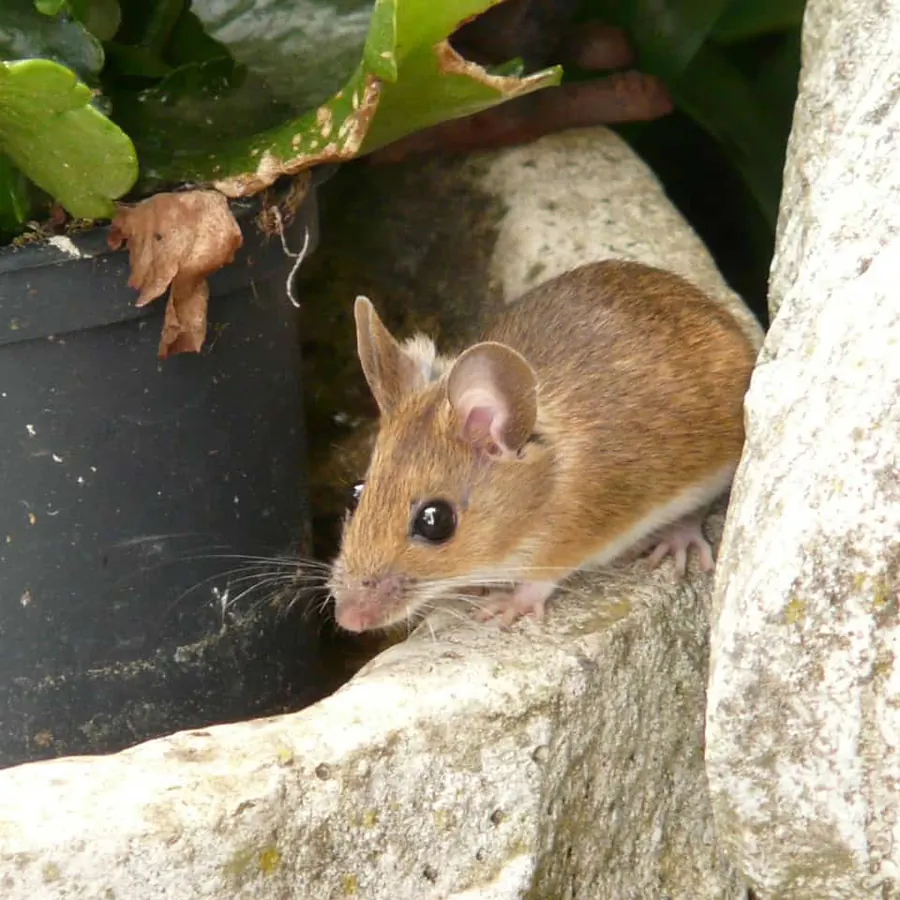
If you're hearing scuttling overhead at night, finding droppings along the kitchen skirting or noticing bite marks in the fruit bowl, you have rodents. In Sedgefield, the answer is a proper programme: find how they're getting in, remove the ones inside with bait stations or traps, and block the route. We do all three.
Five signs worth taking seriously
- Droppings. Mouse droppings are tiny and pointed; rat droppings are bigger and blunter. Fresh ones are dark and soft.
- Noise. Running, gnawing or scratching in the ceiling, walls or under the floor, mostly after dark.
- Gnaw marks. On food packaging, plastic bins, wooden doors and, worst of all, electrical cables.
- Smears. Greasy dark marks along the same route, where their fur brushes walls and beams.
- Nests. Shredded paper, fabric or insulation tucked into a warm corner, behind the geyser or in a pile of stored boxes.
Why Sedgefield suits rodents
Sedgefield sits between Swartvlei, the lagoon, the dunes and the sea. Many gardens border wetland or reeds, and many homes are surrounded by natural bush. Brown rats like water and burrow along banks; roof rats are climbers and use trees and creepers to reach the roof. Between the two, there's a rodent for every part of a Sedgefield property.
Thatch adds another layer. A thatched roof is warm, dry and full of space, and rodents can burrow into it and nest without being seen, chewing the timber and wiring underneath as they go. If you have a thatched house or lapa, activity in the roof needs attention sooner rather than later.
Then there are the holiday homes. Plenty of Sedgefield houses stand empty for long stretches, which suits rodents perfectly. A house that's closed for months gives them time to settle in, breed and chew undisturbed. If yours is one of them, clear the pantry before you leave and have the bait stations checked while you're away, not only when you're back. It's far easier to stop a few mice than to evict a colony that has had the whole winter to itself.
How we deal with it
The inspection covers the roof space or the underside of the thatch, the eaves, kitchen, garage, outbuildings and garden edges. We note droppings, runs and nests and, most importantly, gaps: around pipes, under doors, in vents and where the roof meets the walls.
The treatment uses lockable, tamper-resistant bait stations along their routes, traps where poison isn't suitable, and tracking powder in voids where it makes sense. The stations are built so pets and children can't get at the bait, which matters with dogs in the garden and young children visiting over the holidays.
The proofing advice is where the long-term result comes from. We show you each entry point and how to close it, whether that's steel mesh over a vent, a brush seal under a door or cutting back a branch that reaches the roof.
The follow-up checks the stations, shows whether activity is dropping, and lets us move or top up bait as needed. Once activity has stopped, we can sanitise the affected areas. Rodent urine and droppings carry diseases, including leptospirosis, and shouldn't just be swept up.
A Sedgefield tip
Keep the strip between your house and any reed bed or wetland edge open and tidy. Long grass, compost heaps and piles of garden clippings against the walls let rats approach the house under cover. If you feed birds, use a feeder with a tray and don't let seed pile up on the ground overnight. Fallen fruit and spilled birdseed are two of the biggest draws in lakeside gardens.
A mistake to avoid
Blocking holes before the rodents have been dealt with. Seal a roof while rats are still inside and they'll chew a new way out, sometimes through a ceiling board into the house. The order matters: bring the numbers down first, then proof.
How much will it cost?
The main factors are the size of the property, how established the rodents are, the type of roof and how much proofing the house needs. A mouse or two in a small kitchen is a quick job, and to be honest, you may manage it yourself with a couple of snap traps set along the skirting. Rats nesting in thatch or spread across several outbuildings need more stations and follow-up visits. Guest houses and holiday rentals often prefer a regular check-up contract. We'll give you a free quote once we've seen what's going on.
Our rodent treatments carry a 3-month guarantee. We're SAPCA registered and have more than 25 years' experience in the Garden Route. Our George rodent control page explains more about our methods, and if insects are bothering you too, see insect control in Sedgefield.
Call 044 012 5011 when you're ready, and we'll arrange an inspection.
Questions we get asked
Do rats really live in thatch roofs?
Yes. Thatch gives rodents warmth, shelter and room to nest, and they can tunnel into it out of sight. Look for droppings below the roof, noise at night and loose or disturbed thatch.
Will bait stations draw more rats into my garden?
No. The stations hold bait, not a lure that pulls rodents in from far away, and they're placed along routes the rodents are already using.
What if a rat dies somewhere I can't reach?
Combining stations with traps and proofing reduces the chance of that. If a smell does develop, it fades as the carcass dries out, and we can help track down the likely spot.
Can you deal with rats in a lapa or boathouse?
Yes. Outbuildings get the same inspection, stations and proofing advice as the house, and they're often where the problem starts.
Can you come out urgently?
Yes. We offer 24-hour call-outs, so phone us and we'll arrange a time.