

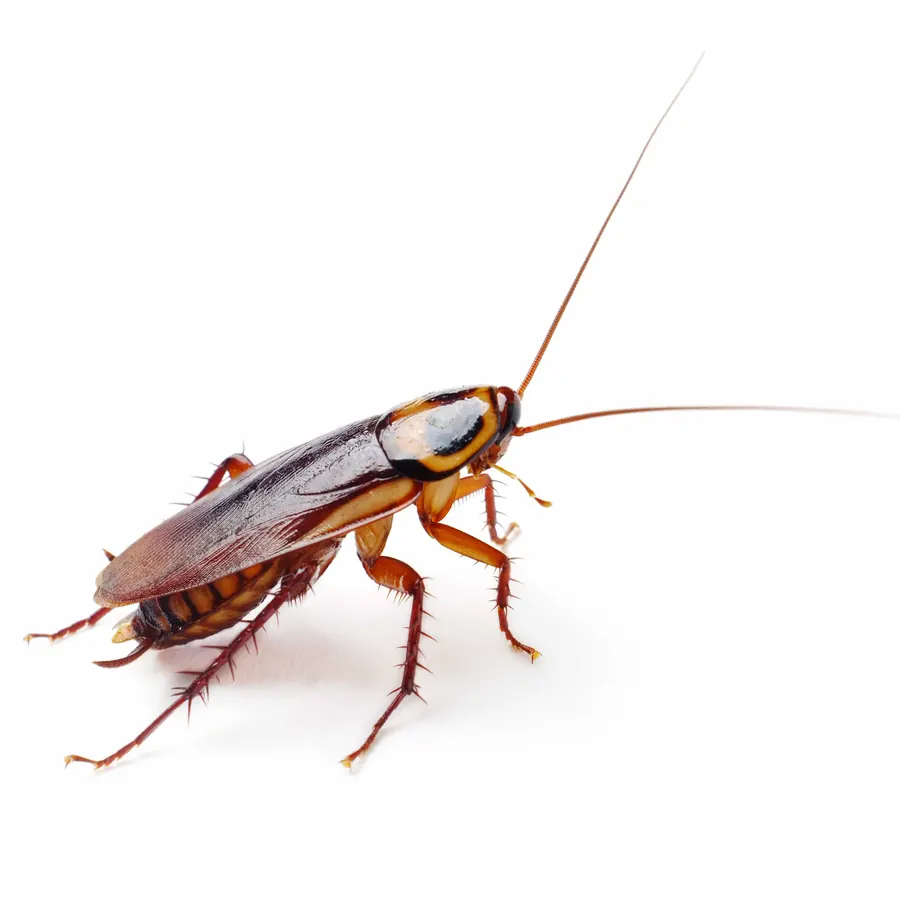
If you've found cockroaches in your Stil Bay home, the answer is a treatment aimed at where they actually live: gel bait in the cracks around the fridge, stove and sink, a residual spray along the routes they use to come in from outside, and a look at the drains. Spraying the room you saw them in won't achieve much. Finding the hiding places will.
Why Stil Bay houses get them
Stil Bay is quiet for much of the year and full in season. Plenty of homes along the coast and up the Goukou River stand closed for weeks or months, and a closed house suits cockroaches well. It's dark, nobody disturbs them, and there's nearly always something left behind: crumbs in the toaster, a packet of sugar at the back of the cupboard, a pet bowl in the scullery.
Empty houses have a second problem people rarely think about. When a sink, shower or floor drain isn't used, the water sitting in the trap slowly evaporates. That water is what seals off the sewer pipe, and once it's gone, the large cockroaches that live in drains have an open road into the house. A lot of Stil Bay calls start exactly like that: a big brown cockroach in the bathroom on the first night back.
Then December arrives. Full kitchens, more cooking, more rubbish and boxes of groceries coming in give any small German cockroach population plenty to work with, and they breed quickly in warm weather.
Which one have you got?
- German cockroaches are small, light brown and live indoors, usually in the kitchen. If you see young ones of different sizes, they're breeding in the house.
- American cockroaches are large and reddish-brown, and often come up from drains or in from the garden. One or two may just be wanderers, but regular sightings mean there's a source close by.
If you're not sure, our pest identification guide will help, or send us a photo when you get in touch.
Signs to check for when you open up
- Tiny dark droppings, like ground pepper, in cupboard corners and drawers
- Brown, purse-shaped egg cases behind appliances or in cupboard hinges
- A musty, oily smell in a kitchen that's been shut up
- Cockroaches running for cover when you switch the light on at night
How we treat a Stil Bay house
- Look first. We check the kitchen, scullery, bathrooms, drains and outside walls to confirm the species and find where they're sheltering.
- Gel bait indoors. Small dots of gel go into the cracks and voids they use: door hinges, the motor space behind the fridge, under the sink, along the back of the stove. Cockroaches feed on it and take it back to the rest.
- Barrier outside. An odourless, non-staining residual spray around doors, drains and the base of the walls stops the outdoor species wandering in.
- Drains. We show you which traps have dried out and need attention.
You don't need to empty your cupboards for any of this, and the house is safe for children and pets once treated surfaces are dry.
The mistake most people make
Setting off a bug bomb on the way out for the winter. Foggers settle on open surfaces, but cockroaches are tucked into cracks the mist never reaches, and the repellent can drive them deeper into walls and appliances. You come back to a film of insecticide on the counters and the same cockroaches behind the fridge.
Keeping them away between visits
The most useful local tip we can give: before you lock up, run water into every drain and put plugs in the sinks and baths you won't be using. It stops the traps drying out and shuts the easiest way in. Beyond that, take food home or store it in sealed containers, clean under the toaster and kettle, empty the bins and leave the fridge clean and dry. If a house-sitter or managing agent keeps an eye on the place, ask them to run the taps on their rounds.
How much will it cost?
That depends on the size of the house, which species you have and how long they've been there. A few American cockroaches coming up the drains is a quick job. An established German cockroach population in a kitchen, or a group of holiday units, takes more bait and usually a follow-up visit to catch the next hatching. Rentals and guest units can go onto a regular service. We'll quote once we know what we're dealing with, and if a good clean and some drain plugs will do the job on their own, we'll tell you.
Our treatments carry a 3-month guarantee, we're SAPCA registered and we've worked in the Garden Route for more than 25 years. For other pests at the house, see pest control in Stil Bay, or read how we handle cockroaches across the region.
When you're ready, call 044 012 5011 and tell us what you found. It helps to know when you'll next be at the house.
Questions we get asked
Will the treatment keep working while the house is empty?
Yes, gel bait and residual spray carry on working after we've applied them, as long as they aren't wiped away. If the cockroaches we treated for come back within three months, we come back and re-treat.
Can I just use cockroach gel from the hardware store?
For a handful of German cockroaches in a small kitchen, shop gel placed carefully in cracks can help. It usually falls short when they're breeding behind appliances you can't reach, or when the real source is a dry drain.
Why do I only see them at night?
Cockroaches avoid light and come out to feed in the dark. If you're seeing them during the day, the hiding spots are probably full, which points to a larger population.
Are cockroaches a health risk?
Yes, they walk from drains and bins onto food surfaces and can spread bacteria as they go. Their droppings and shed skins can also trigger allergies and asthma in some people.
Is the gel safe if we bring the dog to the house?
Yes, we place it in small amounts inside cracks and voids that pets can't get to. Keep pets off any sprayed surfaces until they're dry.