

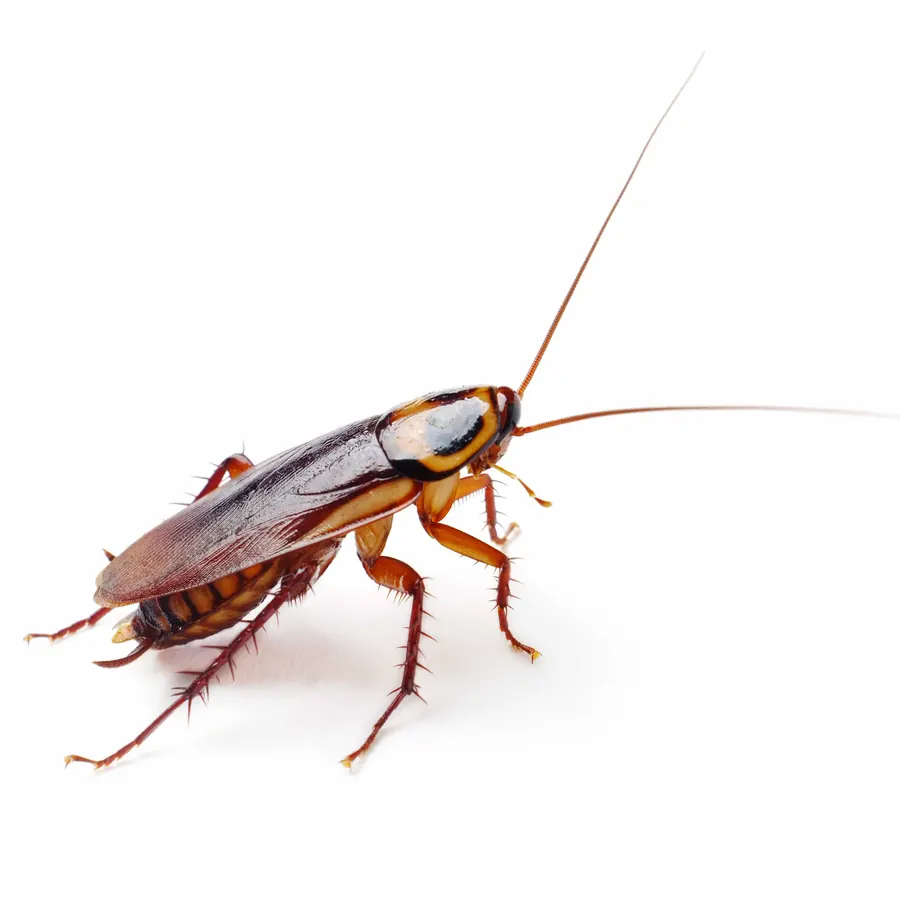
If a guest has just sent you a photo of a cockroach, first work out what kind it is. A single big one near a door or drain has most likely wandered in from outside. Small ones in the kitchen mean there's a population living in the house, and that needs a proper gel bait treatment rather than a can of spray. Either way it can be sorted without moving the guests out, because a normal cockroach treatment doesn't require anyone to leave.
What to do tonight
- Ask for a photo if you haven't got one. Size and colour tell us most of what we need to know.
- Ask the guests to clear the counters, keep food in the fridge or sealed containers, and take the kitchen bin outside before bed.
- Put plugs in the sinks and shower drains if a big one came up from the bathroom.
- Hold off on spraying the kitchen. It's tempting, but it gets in the way of the treatment that actually works. More on that below.
- Call us and we'll arrange a visit that suits the booking.
Why Tergniet holiday homes get them
Tergniet is a small holiday area close to the beach, and many of the houses change hands every few days in season. Every changeover brings in luggage, cooler boxes and boxes of groceries packed somewhere else, and German cockroaches travel very well in all of them. Rentals also tend to have older fridges and microwaves, whose warm motor spaces are a cockroach's favourite place to breed. Between bookings the house is quiet, and nothing disturbs them.
The large outdoor species are a separate issue. They live in garden beds, compost and drains, and come in at night through gaps under doors and through floor drains.
How gel baiting works, and why it suits rentals
We place tiny dots of gel inside cracks and voids, out of sight: in cupboard hinges, behind the fridge and stove, under the sink and in the gaps where units meet the wall. Cockroaches eat it and go back to their hiding places, where others pick it up from them. Because the gel sits out of reach and is used in small amounts, there's no smell, no residue on the counters guests use and nothing visible in the kitchen.
Outside, an odourless, non-staining residual spray around doors and drains stops the outdoor ones walking in. Both are safe for children and pets once the spray has dried.
German cockroach egg cases are well protected, so the young that hatch after the first treatment need a second round. That's why we plan a follow-up visit for established infestations.
Fitting treatment around bookings
The easiest time to treat is a changeover day, between one group leaving and the next arriving, but we can also treat while guests are in, since nobody needs to leave. Tell your cleaners what's been done. Bait in the hinges and behind appliances should be left alone, so they shouldn't wipe inside the hinges or pull the fridge out to scrub behind it for a while. If you look after several units, a regular service through the season saves a lot of last-minute calls.
The mistake that undoes gel bait
Spraying insecticide or strong cleaning products over the bait points. Ordinary fly spray is repellent, so it drives cockroaches away from the gel and into new hiding spots, and it contaminates the bait so they won't eat it. A well-meaning cleaner with a spray bottle can undo a treatment in an afternoon, so make sure everyone who works at the house knows.
Keeping the next guests roach-free
A simple local habit makes a real difference in a holiday house: leave a short note in the kitchen asking guests to unpack groceries and put cardboard boxes straight into the outside bin, rather than storing them in the scullery. Between seasons, pull the fridge out, clean behind it and check the motor space. Seal the gaps where pipes come through the wall under the sink, and fit brush seals to outside doors.
How much will it cost?
The price depends on the size of the house or the number of units, which species you have, how established it is and whether follow-ups are needed. A single big cockroach that walked in from the garden may need nothing more than a door seal and a drain plug. A kitchen full of German cockroaches needs gel baiting and a return visit. Holiday rental owners and agents with several properties often prefer a service contract. We'll quote once we know the details.
We work all along this stretch of coast, including Hartenbos next door. For other pests at the property, see pest control in Tergniet, and for more on how we treat cockroaches, read cockroach control in George.
We're SAPCA registered, with more than 25 years in the Garden Route and a 3-month guarantee on our treatments. Call 044 012 5011 and we'll work out a time around your bookings.
Questions we get asked
Can you treat while guests are staying?
Yes, a normal cockroach treatment doesn't need anyone to leave. Guests should just keep children and pets off sprayed areas until they've dried.
Will guests notice anything?
Usually not. The residual spray is odourless and non-staining, and the gel bait goes into cracks and hinges where it can't be seen.
What should my cleaners know?
Not to spray insecticide or strong cleaners into cupboard hinges, under the sink or behind appliances for a while, because that's where the bait is working.
How many visits will it take?
One visit is often enough for outdoor cockroaches. An established German cockroach problem usually needs a follow-up to catch the young that hatch after the first treatment.
Do cockroaches come in from the beach?
Not really. The big ones come from gardens, compost and drains, and the small German ones are carried in, usually in boxes, bags or second-hand appliances.