

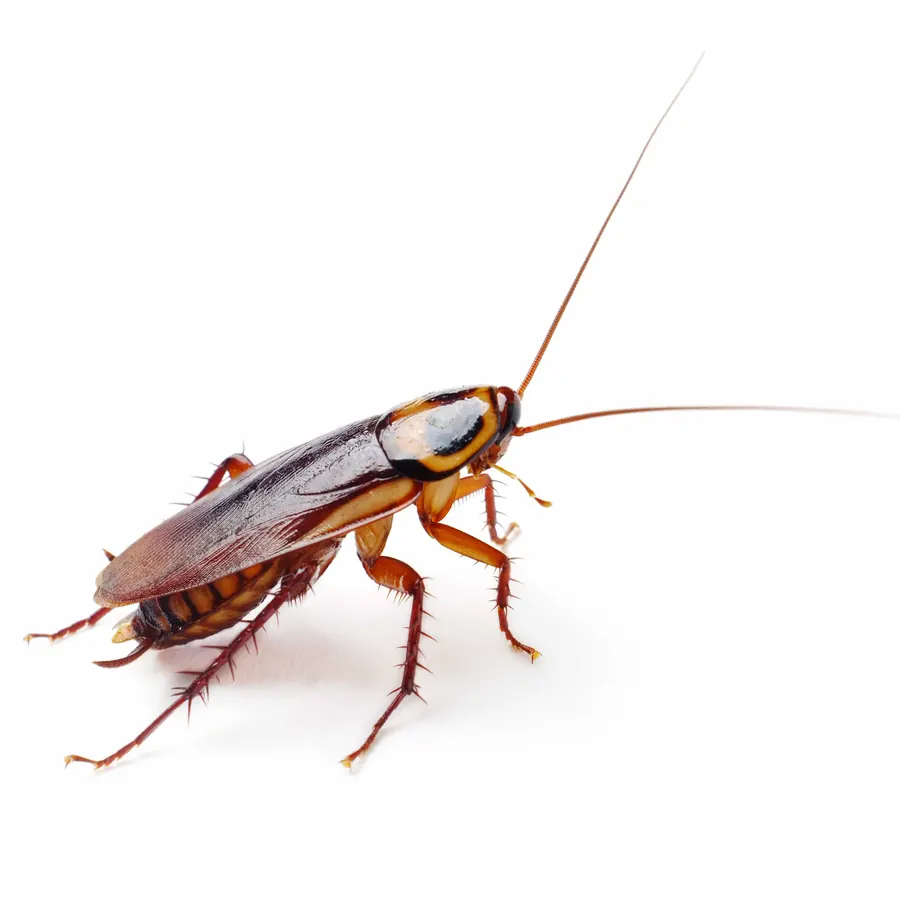
We'll start with what happens when you call us, because that's usually the first question. We come out, find where the cockroaches are breeding, treat those spots with gel baits and the rest of the house with an odourless residual spray, and tell you what's drawing them in. You don't move out, you don't empty the cupboards, and once it's dry the house is safe for the children and the dog.
What we do, in order
- Find the nest. Cockroaches hide in warm, tight spaces near food and water. In a family home that's usually behind the fridge, under the stove, in the dishwasher or washing machine housing, under the sink and in cupboard hinges. We check them all.
- Bait the breeding spots. Small dots of gel bait go into cracks and crevices. Cockroaches eat it, go back to their hiding places and pass it on, so the bait reaches the ones you never see.
- Spray where it counts. A non-staining residual spray is applied around skirting, drains, door frames and the outside of the house as a barrier.
- Check back if needed. Cockroach eggs are protected inside a hard case, so an established infestation may need a follow-up visit to catch the next generation as it hatches.
Is it safe with children and pets?
Yes, once the treated areas are dry. We keep children and pets away from surfaces while we work and until they've dried, and gel bait is placed in tiny amounts out of reach, in cracks and behind appliances rather than on open surfaces. If you have a baby who crawls everywhere, or a pet bird or fish tank, tell us when you book and we'll plan around it.
How cockroaches get into a family home
Fraai Uitsig is a quiet residential area of family homes and gardens in the Groot Brak River area, and in houses like these cockroaches rarely appear out of nowhere. They usually arrive in something:
- Cardboard boxes from the shops or a house move.
- Second-hand fridges, microwaves and kettles, where they hide in the warm motor or electronics.
- School bags, sports bags and lunch boxes left on the kitchen floor.
- Drains and gaps under doors, for the bigger American cockroaches living in the garden and sewers.
Signs it's more than one stray
Seeing one cockroach in daylight often means there are many more hiding. Other signs are tiny black specks like ground pepper in drawers and cupboard corners, brown egg cases about the size of a grain of rice, a musty, oily smell in the kitchen, and small cockroaches running when you switch the light on at night.
Habits that starve them out
Treatment does the heavy lifting, but daily habits decide how long the result lasts. Don't leave dishes in the sink overnight. Wipe up juice and cooldrink spills, which children are very good at producing. Keep pet food bowls picked up at night, and store cereal and snacks in sealed containers. Fix dripping taps under the sink.
A garden tip that suits Fraai Uitsig: keep the compost heap, woodpile and leaf litter well away from the house walls and back door. Those are where the larger outdoor cockroaches shelter, and the closer they are to the house, the shorter the walk inside.
What most people get wrong
Believing a clean house can't have cockroaches. It can. A spotless kitchen still has warm motor housings, damp spots under the sink and gaps behind the units, and a cockroach needs very little food. Cleaning helps a lot, but it won't get rid of an established colony on its own. Don't feel embarrassed to call; it happens in the tidiest of homes.
How much will it cost?
The price depends on the size of your home, how far the cockroaches have spread, and whether a follow-up is needed. A kitchen with a handful of German cockroaches is a quicker job than one where they've moved into the bathrooms and bedrooms too. We'll give you a free quote. If you've seen one big cockroach that came in from the garden on a warm night, you may not need us at all; seal the gap under the door and watch for a week.
For other pests at home, see pest control in Fraai Uitsig. If you've also noticed droppings in the roof, our rodent control page covers that.
We're SAPCA registered, with more than 25 years in the Garden Route, and our cockroach treatments carry a 3-month guarantee. Call us on 044 012 5011 and we'll take it from there.
Questions we get asked
How long before the cockroaches are gone?
Most people see a big drop within the first week or two as the bait spreads through the colony. Heavier infestations may need a follow-up visit to finish the job.
Can I still cook in the kitchen after treatment?
Yes. Once the treated surfaces are dry you can use the kitchen as normal. Just avoid scrubbing the cracks and hinges where gel bait has been placed.
Where do baby cockroaches come from if I've never seen an adult?
Adults hide during the day, so you often notice the young ones first. Seeing nymphs means there is a breeding colony nearby, usually behind an appliance or inside a cupboard.
Do cockroaches bite?
Very rarely. The real concern is that they spread bacteria over food and surfaces, and their droppings can worsen allergies and asthma, which matters in a home with children.
Will a bug bomb fix it?
Usually not. Foggers don't reach the cracks where cockroaches breed and can push them deeper into walls, making the problem harder to treat.
Do you treat the garden too?
We treat around the outside of the house as a barrier, focusing on drains, doorways and the areas where cockroaches shelter close to the walls.